
Condensation is one of the most common problems in UK homes, especially during colder months when warm indoor air meets colder surfaces like windows and external walls. Over time, this can lead to persistent damp patches, peeling paint and even mould growth, which not only affects your home but also indoor air quality and overall comfort.
One of the most effective ways to deal with condensation is by using a dehumidifier. However, not every model performs the same, and choosing the wrong size or type can lead to poor results or unnecessary energy use. This is why understanding which dehumidifier works best for condensation in the UK is essential before making a decision.
In this guide, we explain how dehumidifiers help reduce condensation, what features actually matter, and which types of units are best suited for bedrooms, living spaces and problem areas with high humidity. By the end, you will have a clear idea of how to choose a dehumidifier that can effectively control moisture and improve conditions in your home.
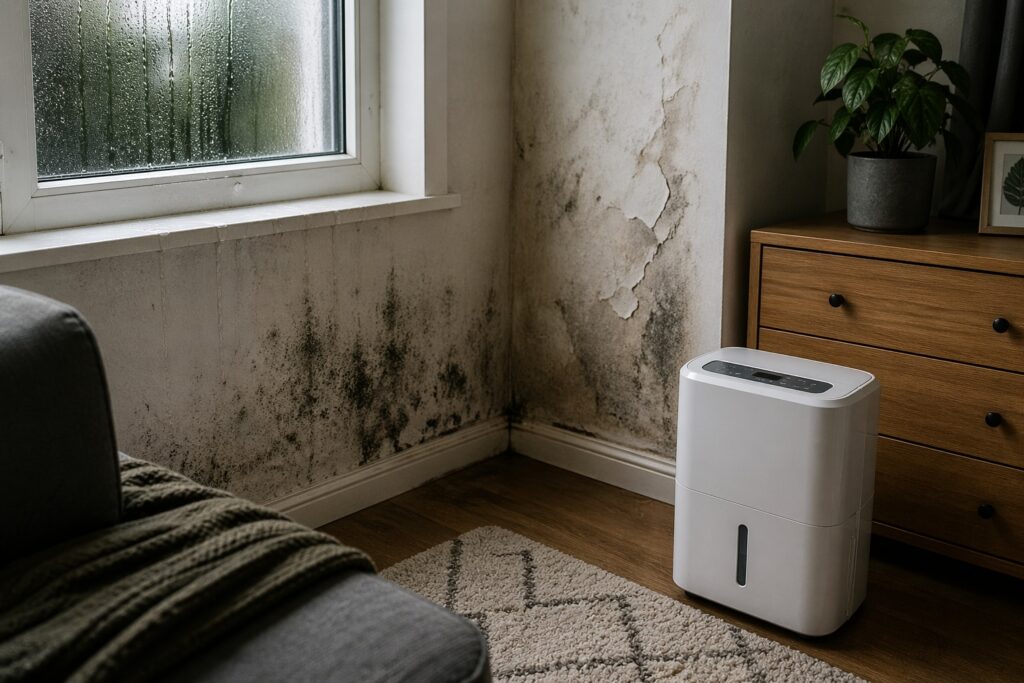
What Causes Condensation in UK Homes?
Condensation occurs when warm, moisture-filled air comes into contact with colder surfaces such as windows, walls or ceilings. In the UK, this is especially common during autumn and winter, when indoor heating increases air temperature while external surfaces remain cold.
Everyday activities such as cooking, showering, drying clothes indoors and even breathing release moisture into the air. Without proper ventilation or humidity control, this moisture builds up and settles on colder areas of the room, leading to visible water droplets, damp patches and, over time, mould growth.
Homes with limited airflow, poor insulation or consistently high humidity levels are particularly prone to condensation problems. Bedrooms, bathrooms and small living spaces are often the most affected, especially when windows are kept closed for long periods.
Understanding the cause of condensation is the first step in choosing the right solution. Without addressing excess moisture in the air, temporary fixes such as wiping windows or increasing heating will not resolve the underlying problem.
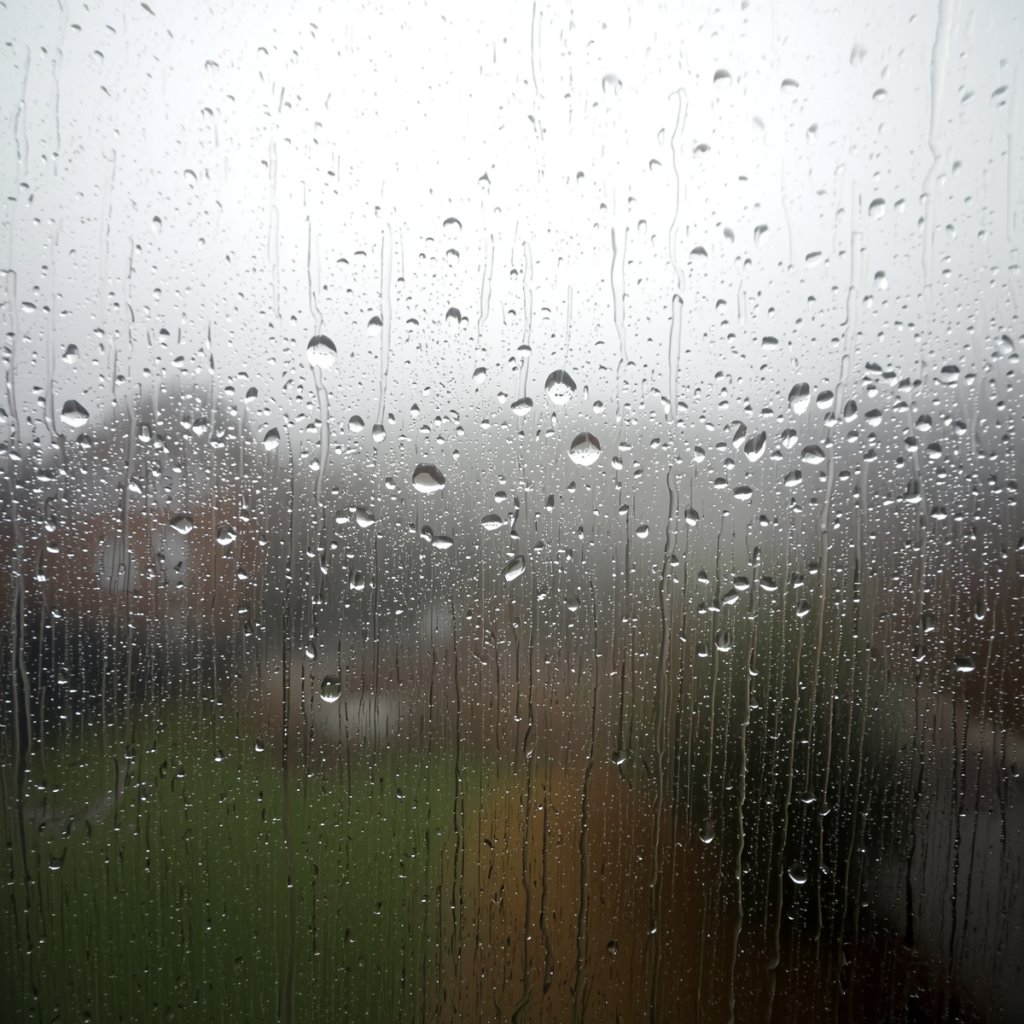
Does a Dehumidifier Help with Condensation?
A dehumidifier is one of the most effective solutions for reducing condensation in UK homes because it removes excess moisture directly from the air. Instead of allowing humidity to settle on windows and cold surfaces, the appliance actively extracts water before it can turn into visible condensation.
When humidity levels are controlled, condensation on windows, walls and ceilings is significantly reduced. This not only improves comfort but also helps prevent longer-term issues such as damp patches, mould growth and damage to paint, furniture or fabrics.
Unlike temporary solutions such as opening windows or increasing heating, a dehumidifier works continuously to maintain stable humidity levels. This makes it particularly useful in rooms where condensation is a daily issue, such as bedrooms, bathrooms and areas where laundry is dried indoors.
The effectiveness of a dehumidifier depends on choosing the right model and using it efficiently. Features such as humidity control, auto shut-off and consistent operation play a key role in maintaining the correct balance without unnecessary energy use. If energy efficiency is important, our guide to low energy dehumidifiers in the UK explains which models are best suited for regular use while keeping electricity consumption under control.
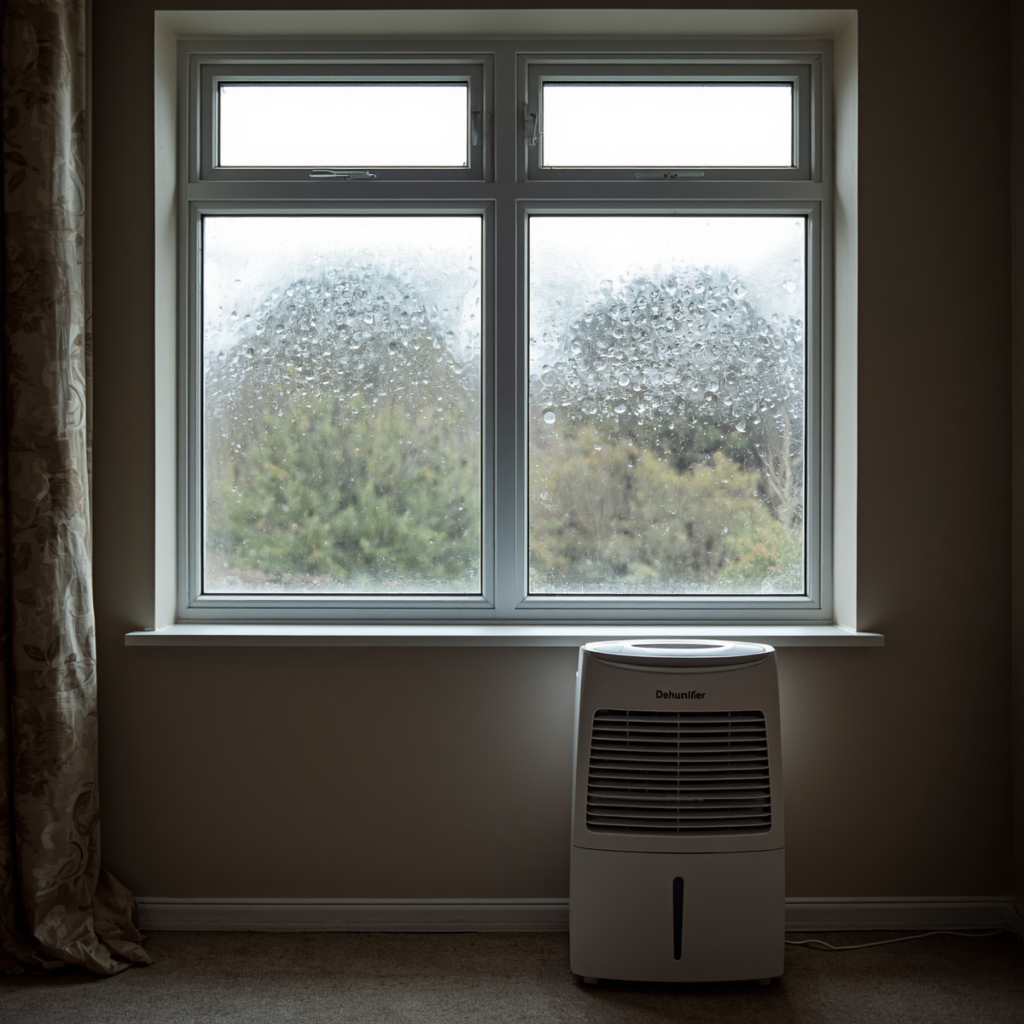
What Size Dehumidifier Is Best for Condensation?
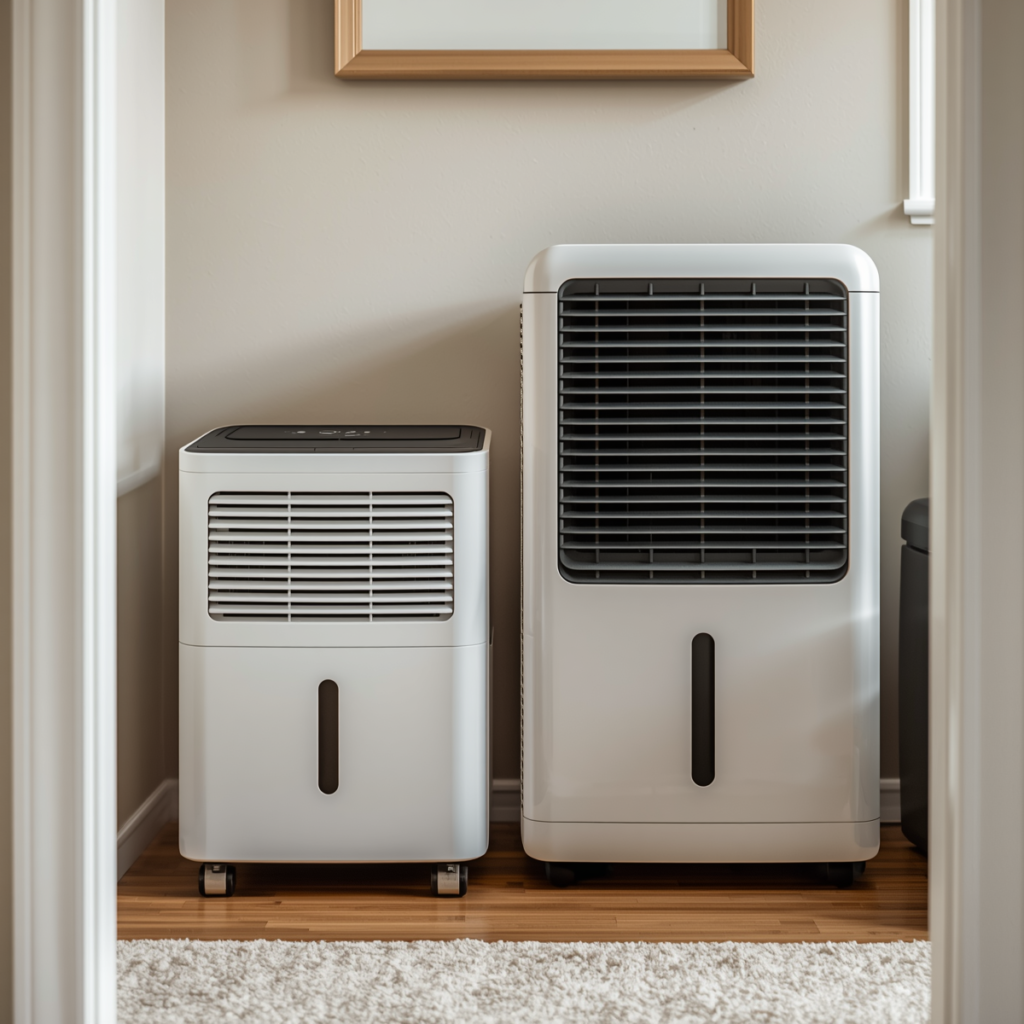
Choosing the right size dehumidifier is one of the most important factors when dealing with condensation. A unit that is too small may struggle to control humidity effectively, while an oversized model can use more energy than necessary without providing additional benefits in smaller rooms.
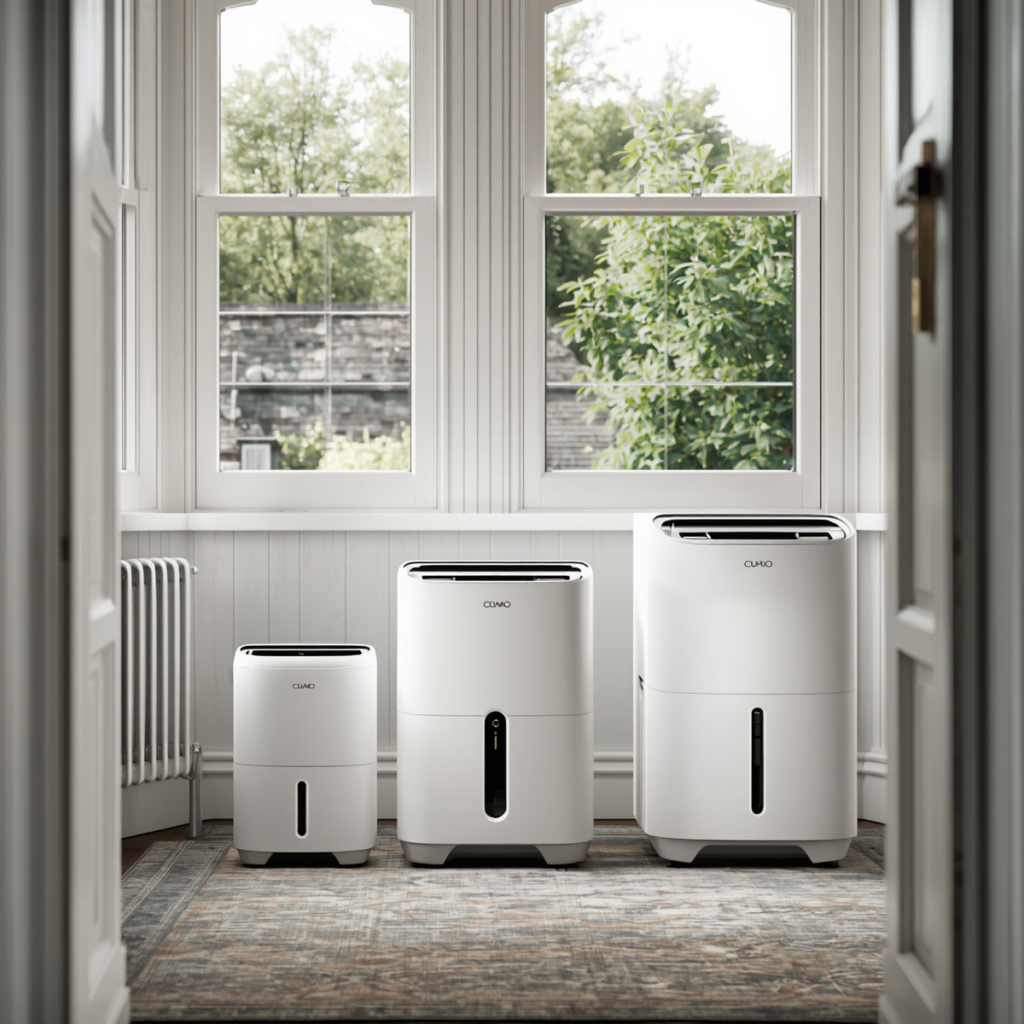
For most bedrooms, box rooms and smaller living spaces, a 10L dehumidifier is usually sufficient to manage everyday condensation. These models are designed for regular use and can effectively reduce moisture levels without running continuously.
In slightly larger rooms or areas where condensation is more persistent, a 12L dehumidifier may be a better option. It provides faster moisture removal while still maintaining relatively low energy usage, making it suitable for small flats or spaces with higher humidity levels.
For large rooms, open-plan areas or homes with more severe damp problems, a 20L dehumidifier may be required. These units are more powerful and can remove moisture quickly, but they also consume more electricity and are generally unnecessary for typical bedroom condensation.
The key is to match the capacity of the dehumidifier to the size of the room and the level of moisture present. A properly sized unit will control condensation more efficiently, reduce running time and improve overall performance without increasing energy costs unnecessarily.
If you are looking for an affordable solution to reduce condensation, our guide to the best budget dehumidifier in the UK explains which models offer the best results at a lower price.
Which Type of Dehumidifier Works Best for Condensation?
Not all dehumidifiers work in the same way, and choosing the right type can make a noticeable difference when dealing with condensation in UK homes. The two main types are compressor dehumidifiers and desiccant dehumidifiers, each suited to different conditions.
Compressor dehumidifiers are the most common option and are generally the best choice for everyday condensation problems. They work by drawing in moist air, cooling it and collecting the condensed water. These models are typically more energy-efficient in warmer indoor environments and are well suited for living rooms, bedrooms and flats where condensation is a regular issue.
Desiccant dehumidifiers, on the other hand, use a different method that does not rely on cooling air. This makes them more effective in colder rooms such as garages, basements or poorly heated spaces. However, they often consume more electricity than compressor models and are usually not necessary for standard household condensation problems.
For most UK homes dealing with window condensation, damp air and everyday humidity, a compressor dehumidifier offers the best balance between performance and energy efficiency. Choosing the right type ensures that the appliance can operate effectively without increasing running costs unnecessarily.
Best Dehumidifiers for Condensation in Different Rooms
The best dehumidifier for condensation depends not only on capacity and type, but also on where it will be used. Different rooms generate different levels of moisture, which means that the most effective solution can vary depending on the environment.
Understanding how condensation behaves in specific areas of the home makes it easier to choose a dehumidifier that delivers consistent results without unnecessary energy use.
Best Dehumidifier for Bedroom Condensation
Bedrooms are one of the most common places where condensation builds up, especially overnight when windows are closed and moisture from breathing accumulates in the air. A 10L or 12L dehumidifier is usually the best option for this type of environment, as it provides enough power to control humidity without excessive noise or energy use.
Quiet operation is particularly important in bedrooms, which is why models with sleep mode and low-noise settings are often preferred. When used consistently, a properly sized dehumidifier can significantly reduce condensation on windows and improve overall comfort during the night.
Best Dehumidifier for Window Condensation
Window condensation is one of the most visible signs of excess humidity in a home. In most cases, this is caused by moisture settling on cold glass surfaces. A compact dehumidifier placed near the affected area can help remove moisture from the air before it turns into condensation.
For smaller rooms, a 10L unit is usually sufficient, while larger spaces may benefit from a slightly more powerful model. Consistent use is key, as condensation tends to return quickly if humidity levels are not controlled over time.
Best Dehumidifier for Damp and Persistent Condensation
In homes with more serious damp issues or persistent condensation, a higher-capacity dehumidifier may be required. A 12L or 20L model can remove moisture more quickly and maintain stable humidity levels even in more challenging conditions.
These situations often involve ongoing moisture sources such as poor ventilation, structural damp or frequent indoor laundry drying. In such cases, choosing a reliable and efficient model becomes even more important, especially for long-term use. If you are concerned about electricity usage in these conditions, our guide to low energy dehumidifiers in the UK explains which models can handle higher humidity levels while keeping running costs under control.
How Much Does It Cost to Run a Dehumidifier for Condensation?
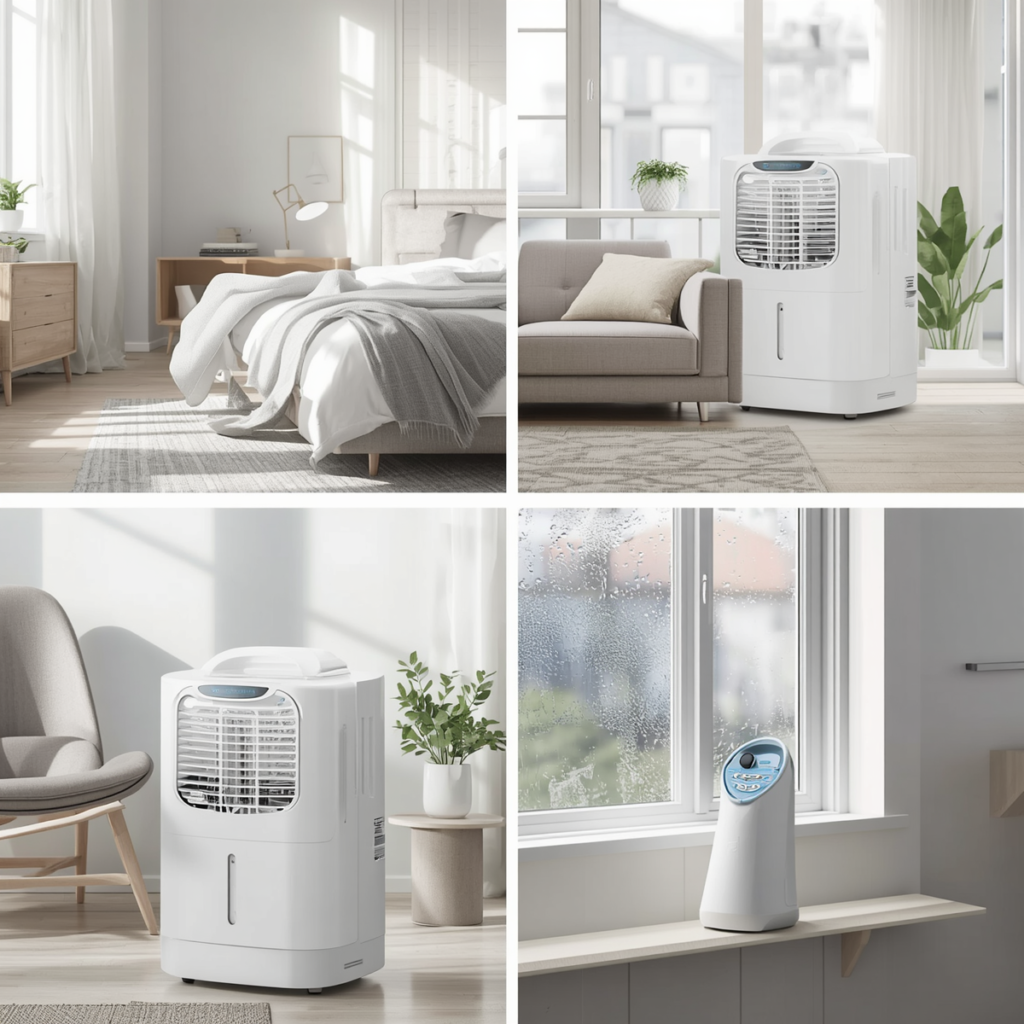
The cost of running a dehumidifier for condensation is generally lower than many people expect, especially when compared to the cost of heating or repairing damp-related damage. Most household dehumidifiers in the UK use between 200W and 500W per hour, depending on their size and capacity.
For typical bedroom or small room use, a 10L or 12L dehumidifier running for a few hours per day will usually result in a modest monthly electricity cost. Larger units, such as 20L models, consume more power but may run for shorter periods if they remove moisture more quickly, particularly in rooms with higher humidity levels.
The actual cost depends on how often the dehumidifier runs, the level of moisture in the room and the electricity tariff. Features such as humidity control and auto shut-off can help reduce unnecessary energy use by ensuring that the appliance only operates when needed.
In homes where condensation is a daily issue, running a dehumidifier is often one of the most cost-effective ways to manage moisture without relying on constant heating or ventilation. For a full breakdown of electricity usage, daily costs and realistic monthly estimates, see our guide on how much it costs to run a dehumidifier in the UK.
Tips to Reduce Condensation and Improve Dehumidifier Performance
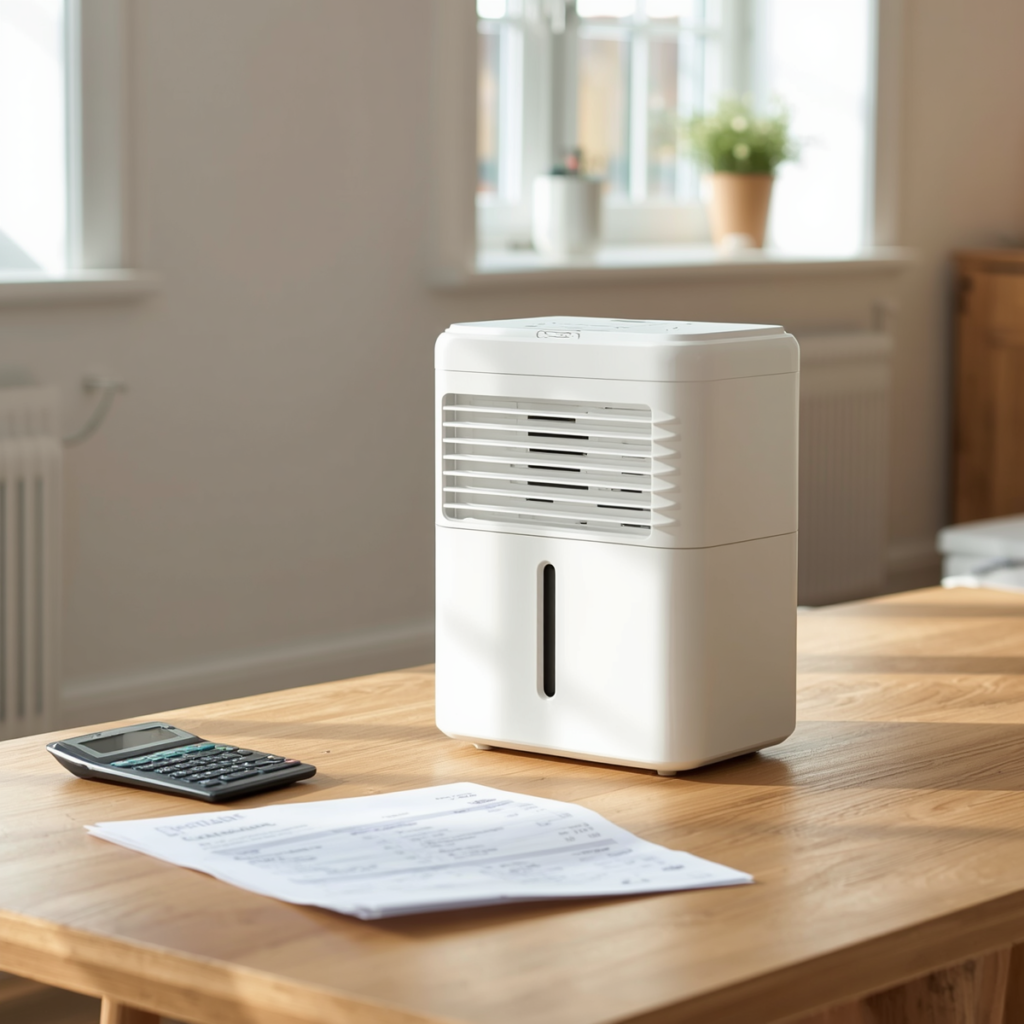
While a dehumidifier is one of the most effective tools for reducing condensation, the way it is used can make a significant difference to the results. Simple adjustments in everyday habits and placement can improve performance and help control humidity more efficiently.
One of the most important steps is to place the dehumidifier in the right location, ideally near the source of moisture such as windows, damp walls or areas where condensation appears most frequently. This allows the unit to remove moisture before it spreads across the room.
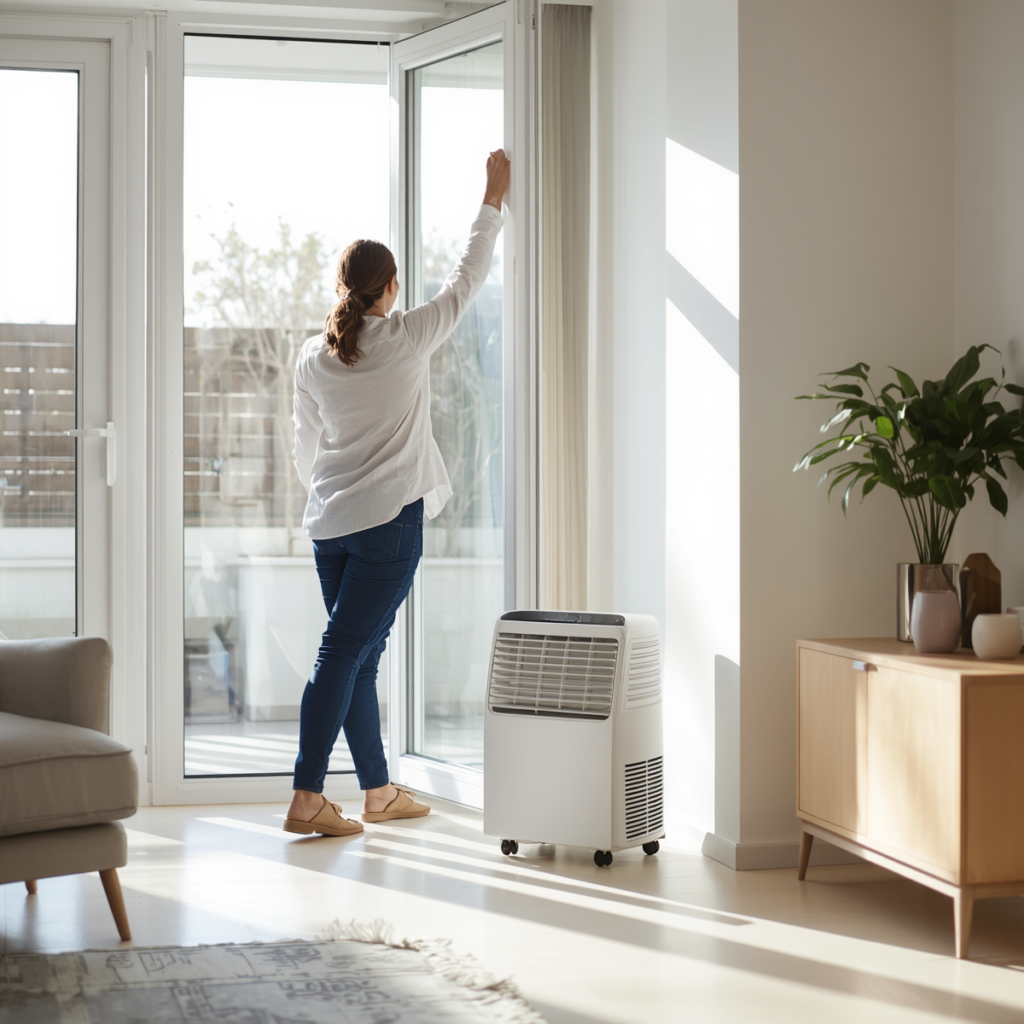
It is also important to keep doors and windows closed while the dehumidifier is running. Allowing fresh air to enter constantly can increase humidity levels and force the appliance to work harder for longer periods.
Running the dehumidifier at the right time is equally important. Using it during high-moisture activities such as showering or drying clothes indoors can significantly improve its effectiveness and reduce the overall time needed to control humidity.
Maintaining a consistent humidity level is key to preventing condensation from returning. Instead of using the dehumidifier only when condensation becomes visible, regular use helps keep moisture under control before it becomes a problem.
Finally, basic maintenance, such as cleaning filters and ensuring proper airflow, helps the dehumidifier operate efficiently. A well-maintained unit will perform better, use less energy and provide more consistent results over time.
Final Verdict – What Is the Best Dehumidifier for Condensation in the UK?
The best dehumidifier for condensation in the UK is not a single model, but the one that matches your room size, humidity level and daily usage. For most bedrooms and small spaces, a 10L or 12L dehumidifier provides the right balance between performance, noise and energy efficiency. In larger rooms or homes with more persistent damp issues, a higher-capacity unit may be more effective.
The key to solving condensation problems is consistency. A properly chosen dehumidifier, used regularly and positioned correctly, can significantly reduce moisture levels, prevent mould growth and improve overall indoor comfort.
Compared to temporary fixes such as ventilation or increased heating, a dehumidifier offers a long-term solution that works continuously to control humidity at the source. This makes it one of the most practical and cost-effective ways to deal with condensation in UK homes.
If you are ready to compare models and find the right option for your home, explore our full range of dehumidifiers to see different capacities, features and real-world performance based on typical UK household needs.
Frequently Asked Questions About Dehumidifiers for Condensation
What is the best dehumidifier for condensation in a bedroom?
For most bedrooms, a 10L or 12L dehumidifier is the best choice. These models are powerful enough to reduce overnight humidity while remaining quiet and energy efficient, making them suitable for regular daily use.
Do dehumidifiers really stop window condensation?
Yes, dehumidifiers help reduce window condensation by removing excess moisture from the air. When humidity levels are lowered, less moisture settles on cold surfaces such as windows, which significantly reduces visible condensation.
What size dehumidifier do I need for condensation?
The correct size depends on the room and the severity of the moisture problem. Small rooms usually require a 10L unit, while larger spaces or more persistent condensation may need a 12L or 20L dehumidifier for effective results.
Is it better to use a dehumidifier or open windows for condensation?
Opening windows can help temporarily, but it does not control humidity consistently. A dehumidifier provides a more reliable solution by actively removing moisture from the air and maintaining stable humidity levels over time.
How long does it take for a dehumidifier to reduce condensation?
This depends on the room size and humidity level, but most dehumidifiers start reducing condensation within a few hours of use. For long-term results, consistent daily use is recommended.
Can a dehumidifier prevent mould caused by condensation?
Yes, by lowering humidity levels, a dehumidifier helps prevent the conditions that allow mould to grow. Regular use can significantly reduce the risk of mould forming on walls, windows and ceilings.