
Finding a good dehumidifier does not always mean spending a lot of money. In many UK homes, a well-chosen budget dehumidifier can be more than enough to deal with everyday condensation, damp air and excess moisture without putting pressure on your budget.
The challenge is knowing which models actually offer good value. Some low-cost dehumidifiers may seem attractive at first, but they can lack performance, use more electricity or struggle to control humidity effectively over time. Others provide a much better balance between price, efficiency and real-world performance.
This guide explains how to choose the best budget dehumidifier in the UK, what features matter most and which types of models deliver the best results for different room sizes and moisture levels. It also helps you understand how running costs and energy efficiency affect the overall value of a cheaper unit.
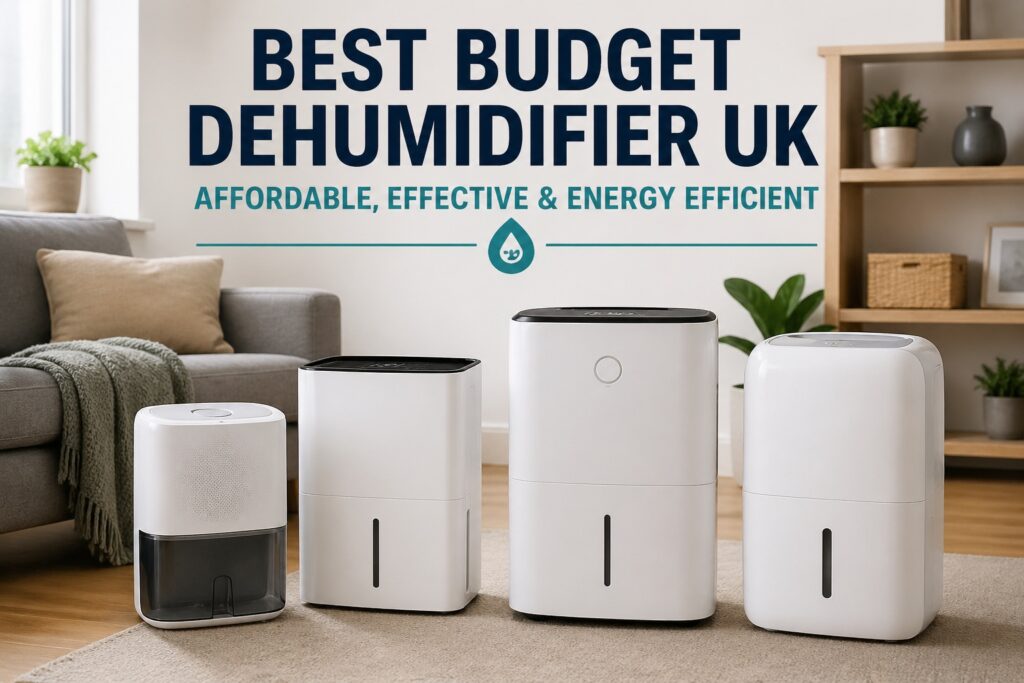
What Makes a Dehumidifier “Budget” in the UK?
A budget dehumidifier is not simply the cheapest option available. In most cases, it refers to a model that offers the best balance between price, performance and energy efficiency for everyday use in a typical UK home.
Lower-cost dehumidifiers are usually smaller in size and designed for specific environments such as bedrooms, small flats or single rooms with moderate humidity levels. They often have simpler controls and fewer advanced features, but this does not necessarily mean they are less effective when used in the right conditions.
The key difference between budget and more expensive models is usually capacity, build quality and extraction speed. Higher-end units may remove moisture faster and handle larger spaces, but they also come with a higher upfront cost. For many households, a well-matched budget model can achieve similar results in smaller areas without the need for a more powerful and expensive appliance.
Choosing the right budget dehumidifier depends on understanding your room size, humidity level and how often the unit will be used. When these factors are matched correctly, even a lower-cost model can provide reliable moisture control and good long-term value.
What Types of Budget Dehumidifiers Are Available?
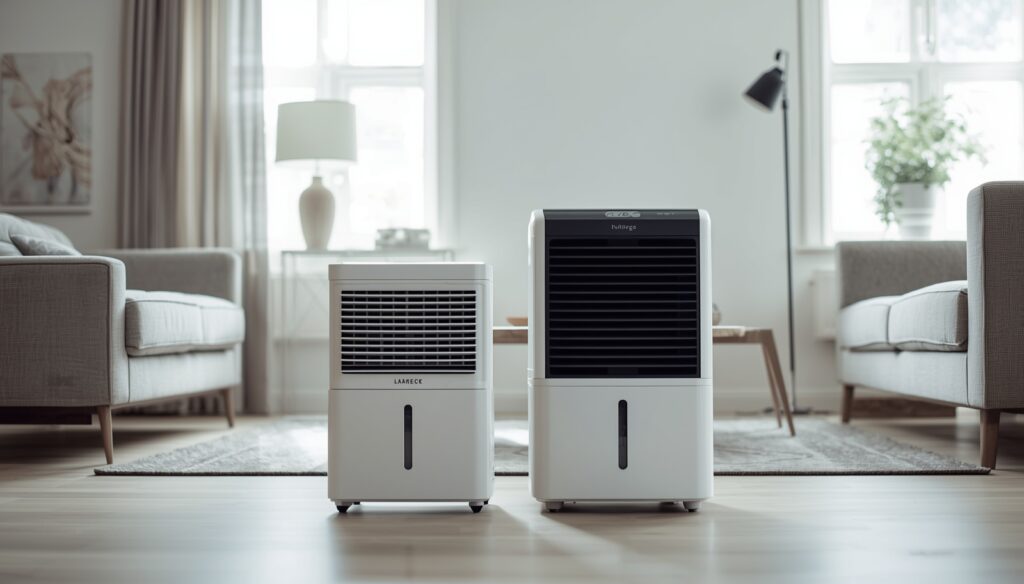
There are several types of budget dehumidifiers available in the UK, and understanding the differences between them is important when choosing the right model for your needs. Not all low-cost units work in the same way, and some are better suited to specific environments than others.
Compressor dehumidifiers are the most common choice for everyday use. They are generally more effective in warmer indoor conditions and are suitable for bedrooms, living rooms and small flats where condensation and damp air are regular issues. These models offer the best balance between performance and energy efficiency in most situations.
Mini dehumidifiers, often marketed as ultra-budget options, are typically designed for very small spaces such as wardrobes, bathrooms or single areas with light humidity. While they are affordable and easy to use, they usually have limited moisture extraction capacity and may not be suitable for larger rooms or persistent condensation problems.
Desiccant dehumidifiers can sometimes be found in the lower price range, although they are less common as true budget options. They work better in colder environments but often use more electricity, which can increase long-term running costs.
For most UK households looking for a reliable and affordable solution, a compact compressor dehumidifier is usually the best option. It provides consistent performance, reasonable energy usage and enough power to handle everyday moisture without requiring a high upfront investment.
What Size Budget Dehumidifier Do You Need?
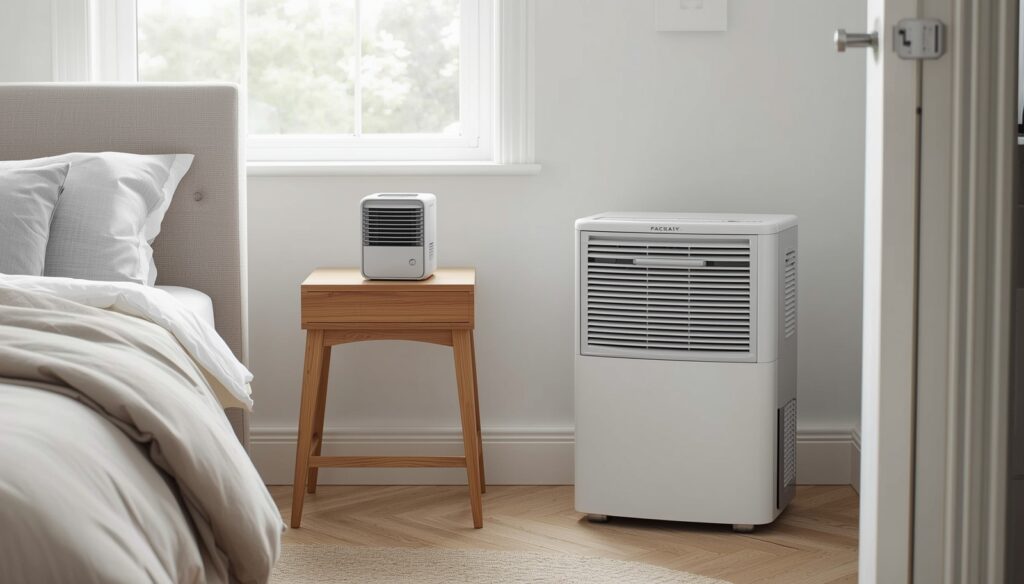
Choosing the right size dehumidifier is one of the most important factors when looking for a budget-friendly solution. A model that is too small may run continuously without effectively reducing humidity, while a unit that is too large can use more energy than necessary for the space.
For small rooms such as bedrooms, box rooms or home offices, a 10L dehumidifier is usually sufficient. These models are designed for everyday moisture control and provide a good balance between affordability and performance in compact spaces.
For slightly larger rooms or areas with higher humidity levels, a 12L dehumidifier may be a better option. It can remove moisture more quickly and maintain stable humidity levels without needing to run constantly, which can help reduce overall energy usage.
In larger spaces or homes with more persistent damp issues, a 20L dehumidifier may be required. While these models are typically more expensive, they can work more efficiently in challenging conditions and may actually reduce running time compared to smaller units.
The key is to match the capacity of the dehumidifier to the size of the room and the severity of the moisture problem. This ensures that even a budget model can perform effectively without increasing long-term costs or reducing efficiency.
Are Budget Dehumidifiers Energy Efficient?
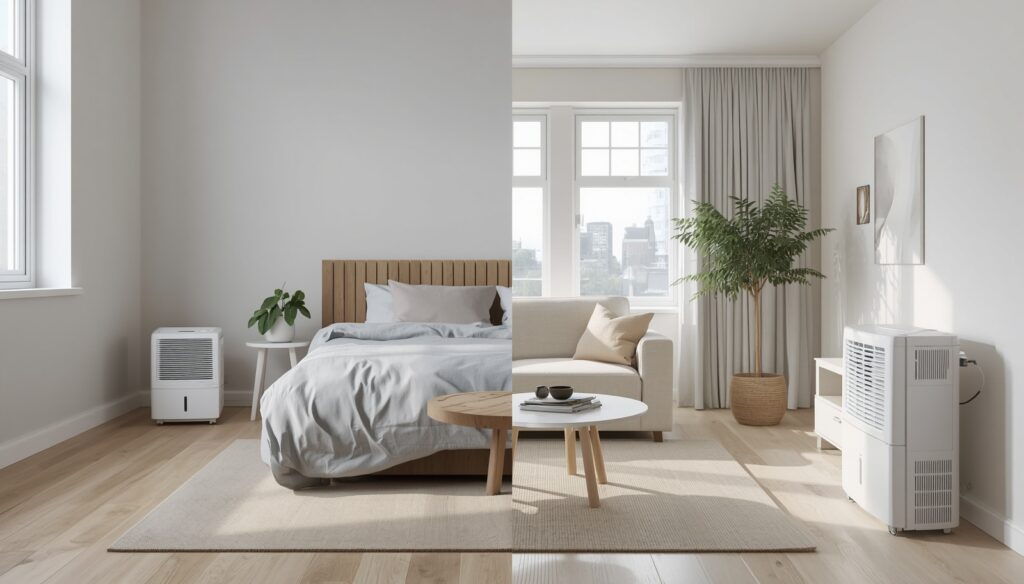
Budget dehumidifiers can be energy efficient, but this depends heavily on the type, size and quality of the model. A cheap dehumidifier is not always the cheapest to run, especially if it needs to operate for long periods because it is underpowered for the room.
For small rooms, a properly sized 10L or 12L budget dehumidifier can offer good energy efficiency because it removes moisture effectively without drawing excessive power. These models are often suitable for bedrooms, flats and everyday condensation control, where a larger unit would be unnecessary.
However, very small mini dehumidifiers can sometimes be less cost-effective than they appear. Although they use little electricity, they may also remove moisture very slowly, which means they need to run for much longer to make a noticeable difference.
The best value comes from choosing a model that balances upfront price with long-term running cost. If energy use is one of your main concerns, our guide to low energy dehumidifiers in the UK explains which models are most efficient for regular household use.
Best Budget Dehumidifiers for Different Needs
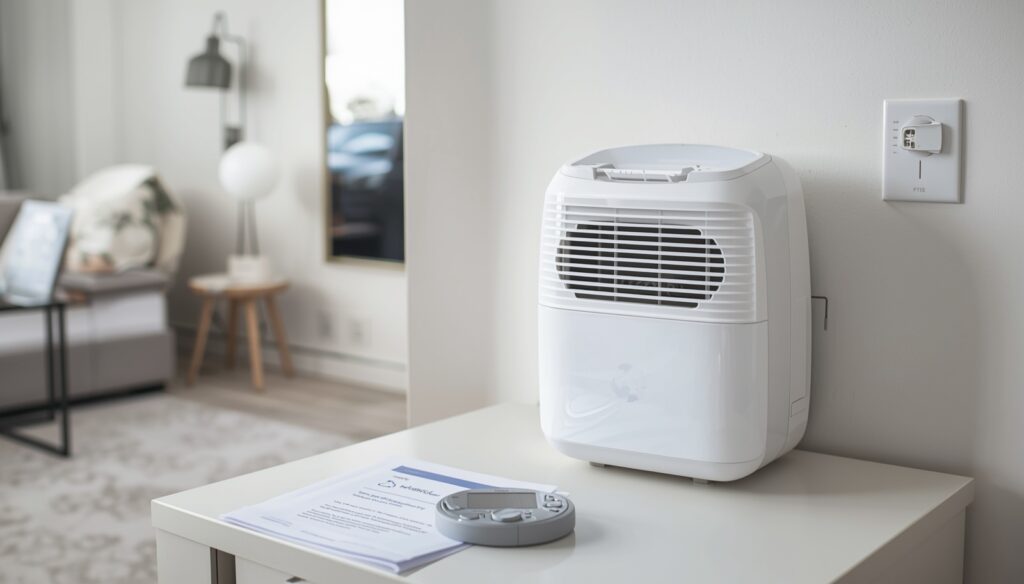
The best budget dehumidifier depends on how and where you plan to use it. Different environments create different moisture levels, which means that a single type of unit will not suit every situation. Understanding your specific needs helps you choose a model that delivers the best value without unnecessary cost.
Best Budget Dehumidifier for Bedrooms
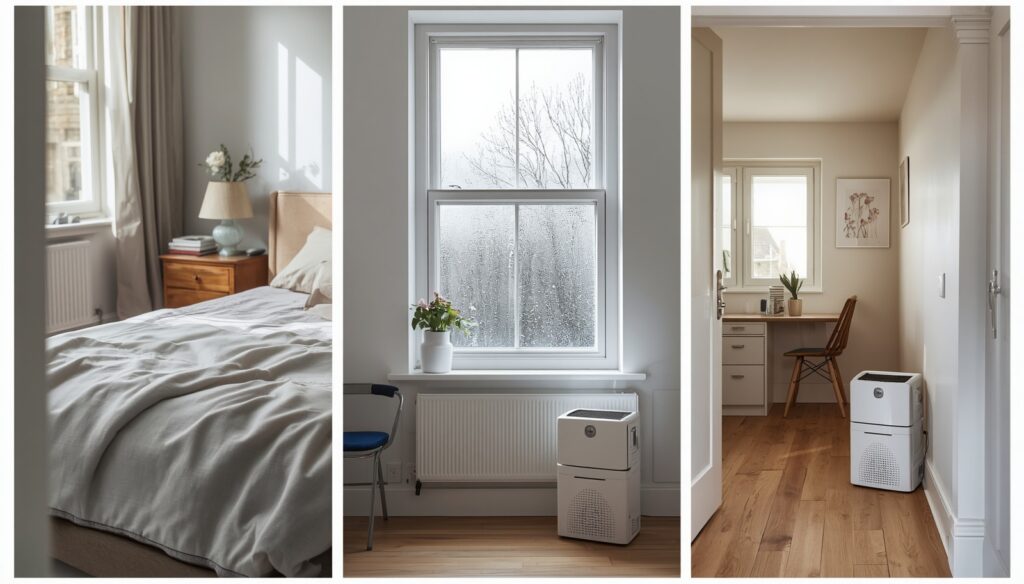
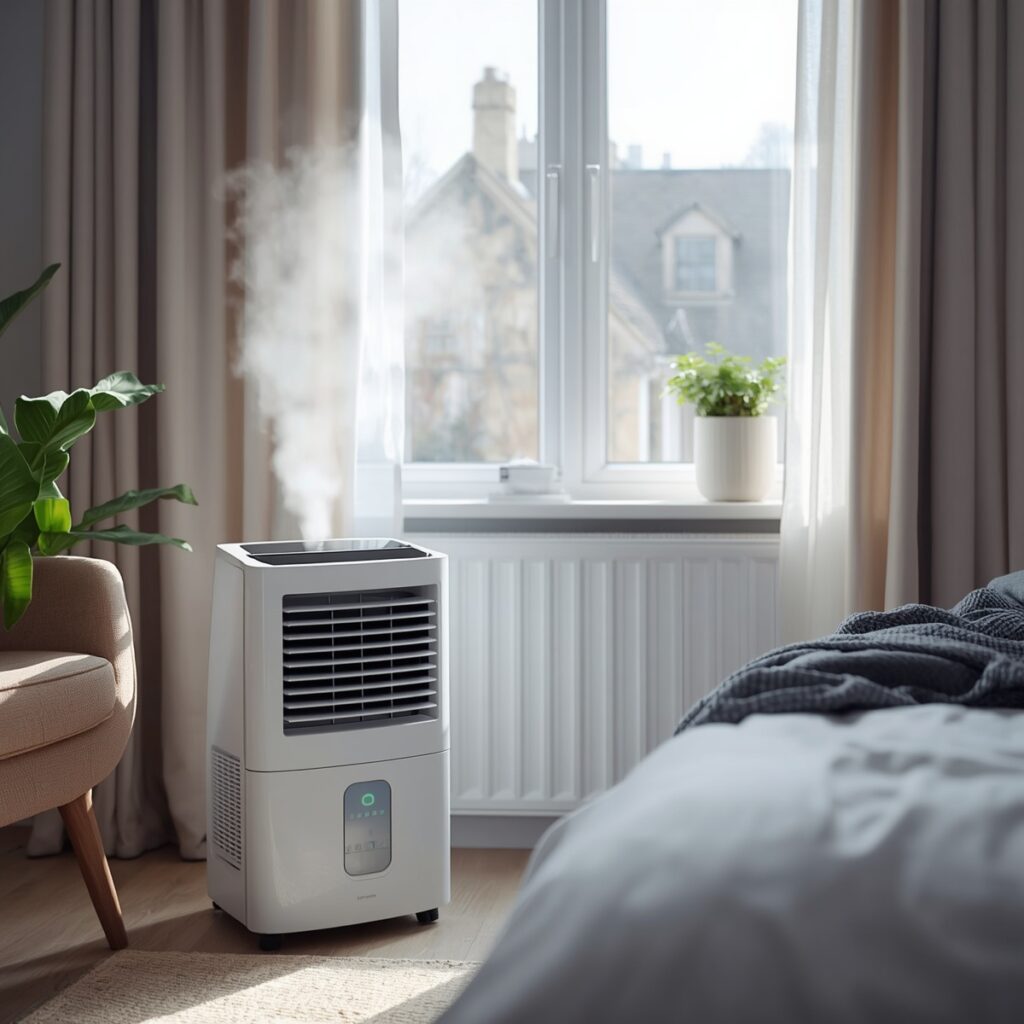
For bedrooms, a 10L budget dehumidifier is usually the best choice. It provides enough power to control overnight humidity while remaining quiet and energy efficient. Models with low noise levels and simple humidity controls are ideal for regular use without disrupting sleep.
Best Budget Dehumidifier for Condensation
For condensation on windows and walls, a compact compressor dehumidifier is usually the most effective budget option. It removes moisture directly from the air before it settles on cold surfaces, helping to reduce visible water build-up and prevent damp issues.
Best Budget Dehumidifier for Damp and Small Flats
In small flats or homes with ongoing damp issues, a 12L budget dehumidifier is often a better choice. It offers more consistent moisture removal and can handle higher humidity levels without running continuously, which improves efficiency over time.
How Much Does a Budget Dehumidifier Cost to Run?
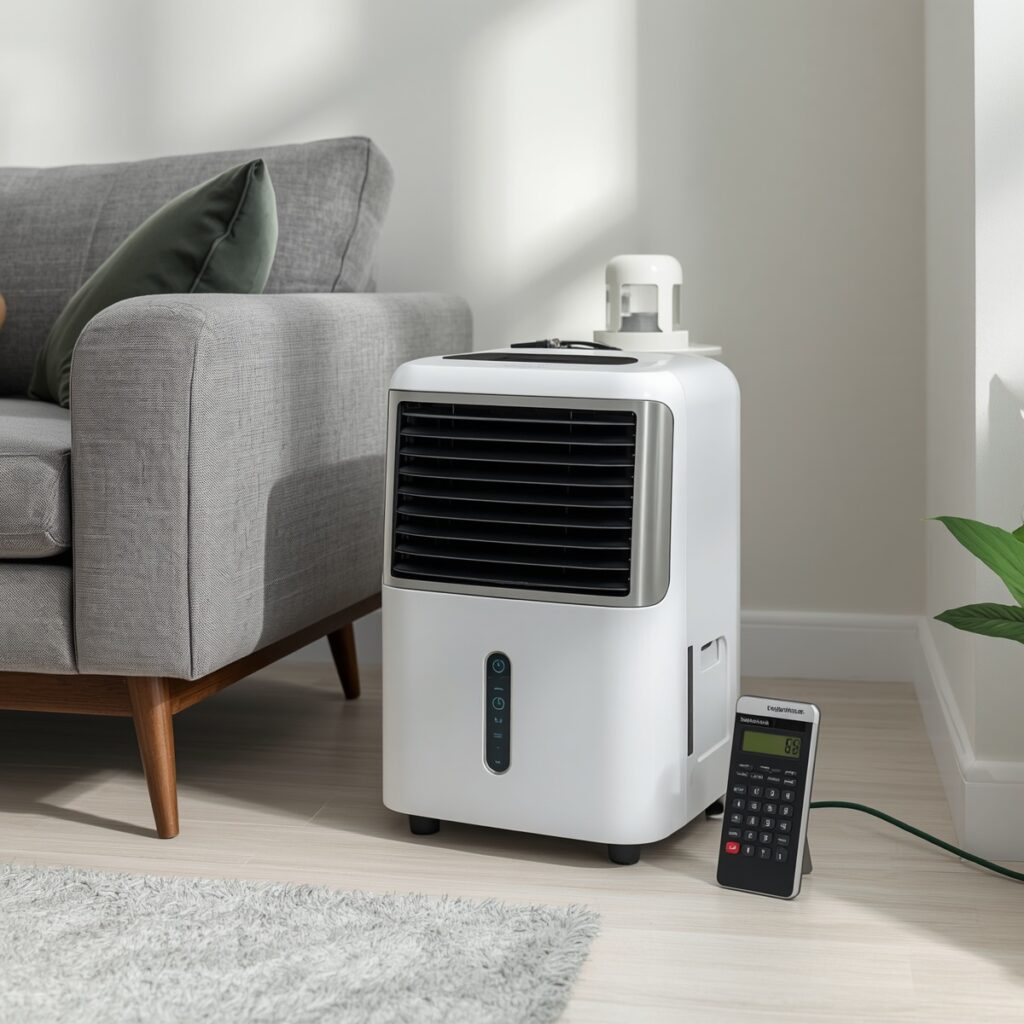
The running cost of a budget dehumidifier depends on its power consumption, room size and how long it runs each day. A cheaper model may seem like the best deal at first, but if it is underpowered or inefficient, it can cost more over time by running for longer periods.
For most small rooms, a 10L or 12L budget dehumidifier offers the best balance between electricity usage and moisture removal. These models are usually efficient enough for bedrooms, small flats and everyday condensation control without using unnecessary power.
Mini dehumidifiers may use less electricity per hour, but they often remove moisture much more slowly. This means they may need to run continuously to achieve the same result as a properly sized compressor model.
If running costs are a key concern, it is worth looking beyond the purchase price and considering total long-term value. Our guide on how much it costs to run a dehumidifier in the UK explains electricity usage, monthly costs and how different capacities compare in real UK homes.
Tips for Choosing the Best Budget Dehumidifier
Choosing the best budget dehumidifier is not only about finding the lowest price. Small differences in capacity, placement and daily use can have a significant impact on performance and long-term value.
One of the most important factors is matching the dehumidifier to the room size. A model that is too small will need to run constantly, while a slightly larger unit can control humidity more efficiently and reduce overall operating time.
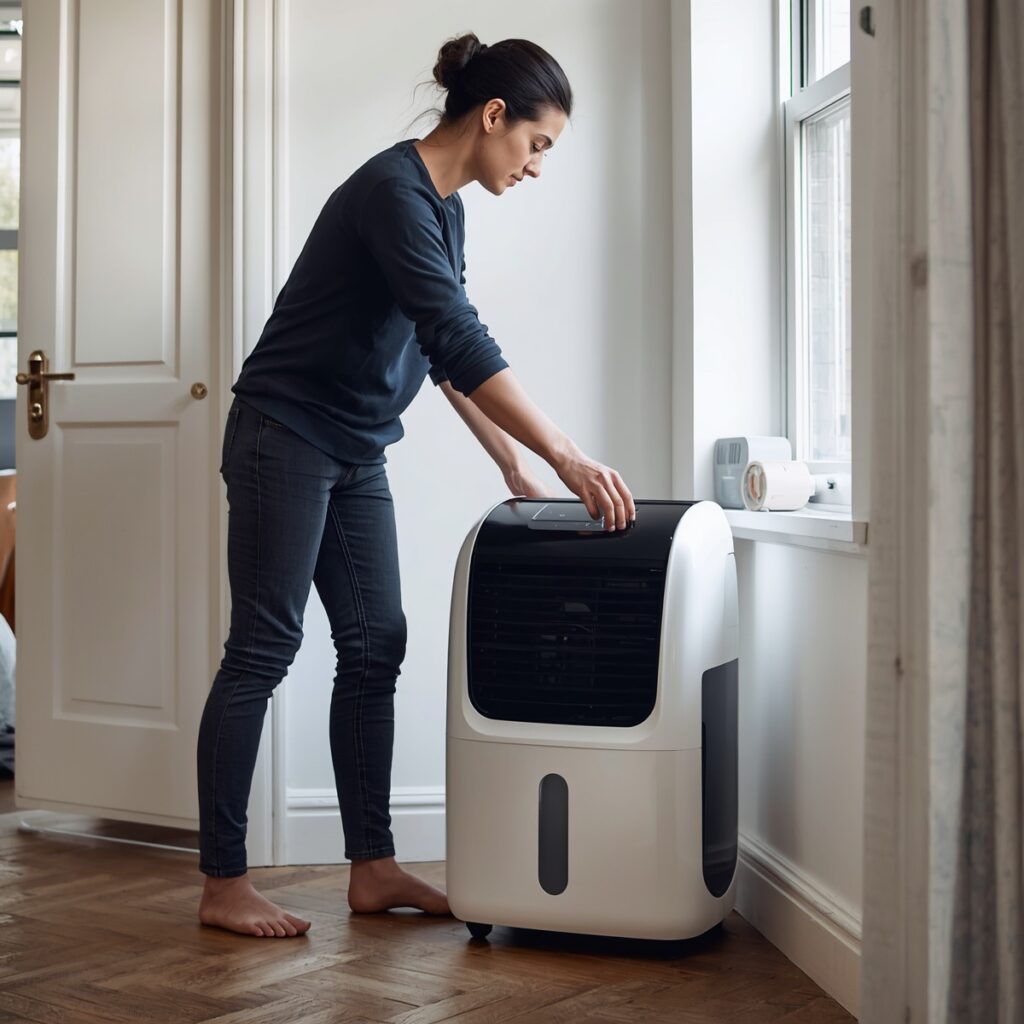
It is also important to position the dehumidifier correctly. Placing it near the source of moisture, such as windows, damp walls or areas with poor ventilation, helps improve its effectiveness and reduce condensation more quickly.
Features such as humidity control and auto shut-off can make a noticeable difference. These functions allow the unit to stop running once the desired humidity level is reached, preventing unnecessary energy use and improving efficiency over time.
Another key consideration is noise level, especially for bedrooms. Many budget models offer quiet modes or low-noise operation, which makes them suitable for overnight use without disrupting sleep.
Finally, it is important to look at long-term value rather than just upfront cost. A slightly more expensive model that performs better and runs efficiently may be cheaper over time than the lowest-priced option that struggles to control humidity.
Final Verdict – Which Budget Dehumidifier Is Right for You?
The best budget dehumidifier in the UK is not simply the cheapest model available, but the one that offers the right balance between price, performance and energy efficiency for your specific needs. A well-chosen unit can effectively control condensation, reduce damp and improve indoor comfort without unnecessary expense.
For most bedrooms and small living spaces, a 10L or 12L dehumidifier provides the best value. These models are powerful enough to manage everyday humidity while remaining affordable to run and easy to use. In slightly larger spaces or more demanding conditions, a higher-capacity unit may deliver better long-term results.
The key is to focus on overall value rather than just the initial price. Choosing the right size, placing the unit correctly and using it consistently will make a bigger difference than simply selecting the lowest-cost option.
If you are ready to compare models and find the best option for your home, explore our full range of dehumidifiers to see different capacities, features and real-world performance based on typical UK household needs.
Frequently Asked Questions About Budget Dehumidifiers in the UK
What is the best budget dehumidifier in the UK?
The best budget dehumidifier is one that matches your room size and moisture level rather than simply the cheapest model available. For most UK homes, a 10L or 12L compressor dehumidifier offers the best balance between price, performance and energy efficiency.
Are cheap dehumidifiers worth buying?
Yes, cheap dehumidifiers can be worth buying if they are used in the right environment. A well-matched budget model can effectively control humidity in small rooms, but very low-cost units may struggle in larger spaces or with persistent damp.
What size budget dehumidifier do I need?
For bedrooms and small rooms, a 10L dehumidifier is usually sufficient. For slightly larger spaces or higher humidity levels, a 12L model may be more effective. Choosing the correct size is more important than choosing the lowest price.
Do budget dehumidifiers use a lot of electricity?
Most budget dehumidifiers use between 200W and 500W depending on their size and type. When used correctly, they are generally affordable to run, especially compared to the cost of heating or dealing with damp and mould problems.
Can a budget dehumidifier stop condensation?
Yes, a budget dehumidifier can reduce or prevent condensation by removing excess moisture from the air. When humidity levels are controlled, less moisture settles on windows and cold surfaces, which helps prevent damp and mould over time.