Home Air Quality Buying Guide – How to Improve Indoor Air Quality for Healthier Living
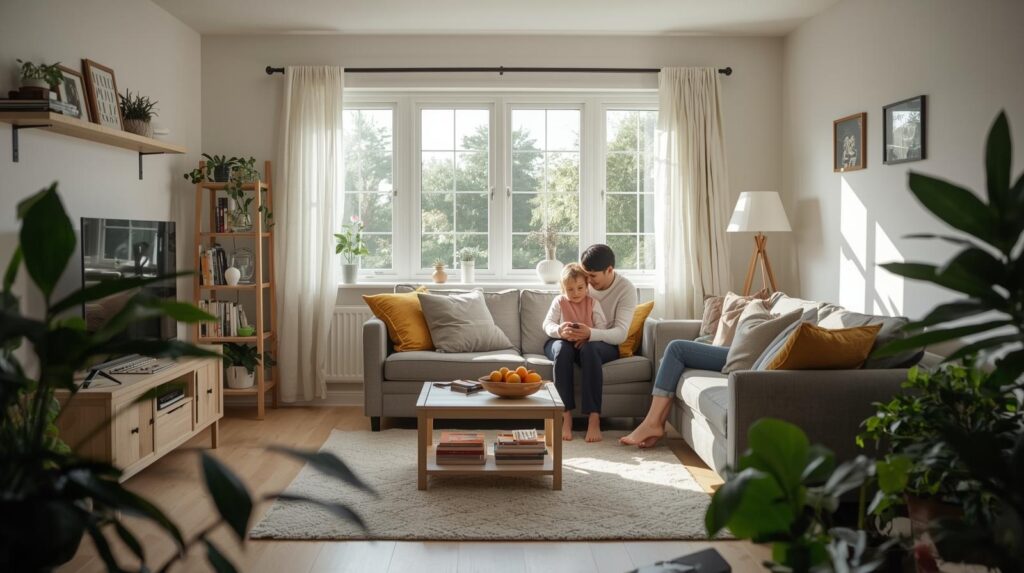
Indoor air quality plays a much bigger role in everyday health than many people realise, especially in modern UK homes where windows are often kept closed and ventilation is limited during colder months. From airborne particles and allergens to CO₂ levels and humidity, the air inside your home can directly affect sleep quality, concentration and overall wellbeing.
For families with children, clean indoor air is particularly important. Children spend more time indoors, breathe faster than adults and are more sensitive to pollutants that may go unnoticed. Poor air quality can contribute to allergy symptoms, restless sleep and general discomfort, even when a home looks clean and well maintained.
This buying guide is designed to help you understand what home air quality really means and how different devices can help you monitor and improve it. Rather than focusing on individual products, the guide explains the key problems found in UK homes, the types of air quality solutions available and how to choose the right option for your space and lifestyle. Whether you are concerned about allergies, pollution, ventilation or creating a healthier environment for your family, this guide will help you make informed decisions based on real needs rather than marketing claims.
This guide is especially useful if you:
- want to improve air quality for children and family members
- suffer from allergies or sensitivity to dust and pollutants
- live in a flat or well-insulated UK home
want to understand air quality before choosing a device
This page contains affiliate links. We may earn a commission if you make a purchase through these links, at no extra cost to you.
What Is Home Air Quality and Why It Matters for Your Health
Home air quality refers to the condition of the air inside your living spaces and how it affects health, comfort and daily functioning. It is shaped by a combination of factors, including airborne particles, allergens, ventilation, carbon dioxide levels and humidity. Because most people in the UK spend a large portion of their time indoors, especially during autumn and winter, indoor air quality often has a greater impact on wellbeing than outdoor pollution.
Poor indoor air quality can contribute to a range of everyday issues. These include headaches, fatigue, dry or irritated airways, allergy symptoms and disrupted sleep. In well-insulated homes, air can become stale quickly if ventilation is limited, allowing pollutants to build up even when the home appears clean. Cooking, cleaning products, pets and everyday activities all release particles into the air that are not always visible but can still be inhaled.
For children, the impact of indoor air quality is even more significant. Developing lungs, higher breathing rates and longer time spent indoors mean children are more sensitive to pollutants and poor ventilation. Improving awareness of indoor air conditions can help families create a healthier environment that supports better sleep, focus and overall comfort.
Understanding home air quality is not about creating a perfect or sterile environment. It is about recognising the factors that influence the air you breathe and making informed decisions to manage them more effectively. Once you understand what affects air quality in your home, choosing the right monitoring or air-cleaning solution becomes far more straightforward.
Common Indoor Air Quality Problems in UK Homes
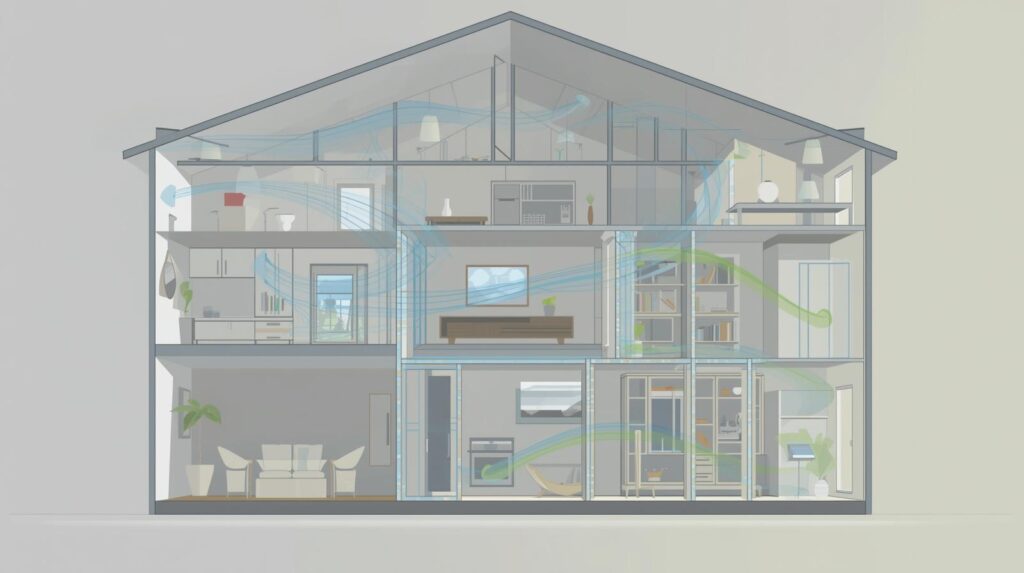
Many indoor air quality issues develop gradually and often go unnoticed, especially in modern UK homes that prioritise insulation and energy efficiency. While these features help retain heat, they can also reduce natural airflow, allowing pollutants to build up indoors. Understanding the most common problems is the first step towards improving the air you breathe.
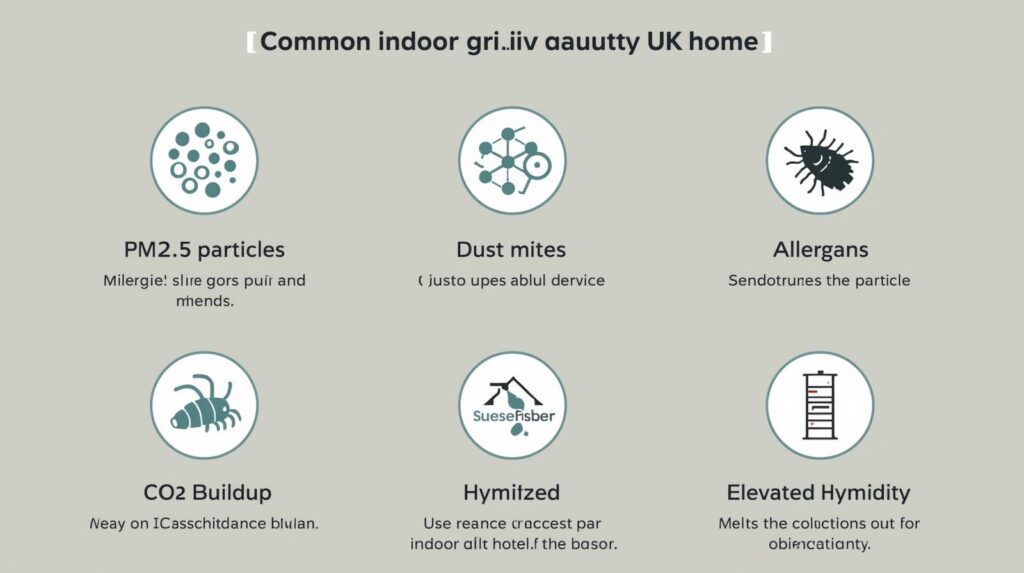
Airborne Particles and Pollution (PM2.5)
Fine airborne particles, known as PM2.5, are among the most harmful indoor pollutants because they are small enough to be inhaled deep into the lungs. These particles can enter homes from outdoor air pollution or be generated indoors through cooking, candles, fireplaces and everyday activities. Because PM2.5 is invisible to the naked eye, many households are unaware of elevated levels unless they are measured.
Allergens, Dust and Pet Dander
Dust, pollen and pet dander are common triggers for allergies and respiratory discomfort. In enclosed spaces, these allergens can remain suspended in the air or settle on surfaces, only to be stirred up again through movement. For allergy sufferers and families with children, prolonged exposure can worsen symptoms and reduce overall comfort, particularly in bedrooms and living areas.
CO₂ Levels and Poor Ventilation
Carbon dioxide (CO₂) is a natural by-product of breathing, but elevated levels indoors are often a sign of inadequate ventilation. High CO₂ levels can lead to drowsiness, reduced concentration and restless sleep. In UK homes, this is especially common during colder months when windows remain closed for long periods, trapping stale air inside.
Humidity as an Air Quality Indicator (Not a Solution)
Humidity plays an important role in indoor air quality, but it is best understood as an indicator rather than a problem to solve directly in this context. Excessively high or low humidity can affect comfort and influence how other pollutants behave in the air. Monitoring humidity levels helps provide a clearer picture of overall indoor conditions without crossing into moisture control solutions, which are best addressed separately.
Types of Home Air Quality Devices Explained
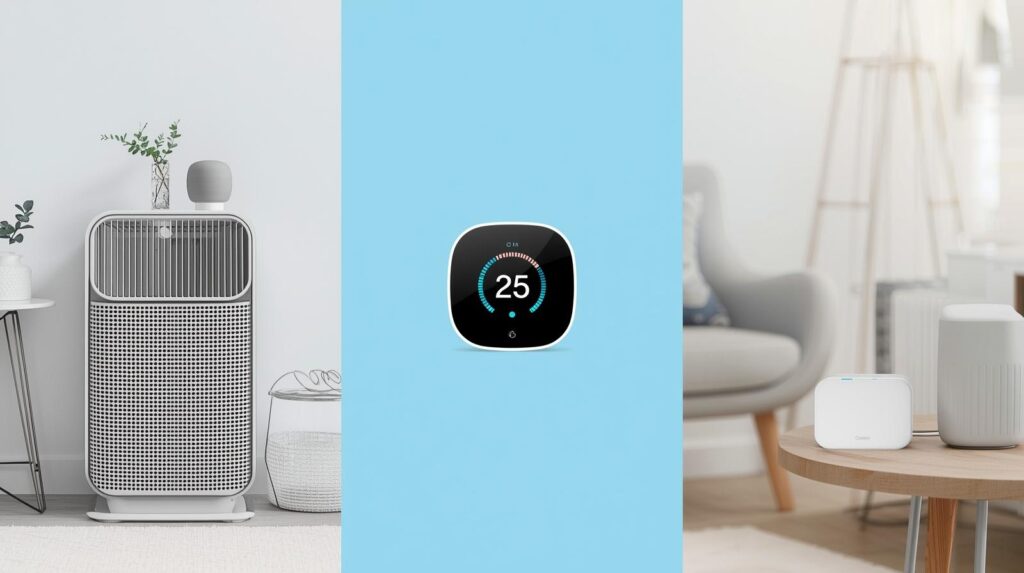
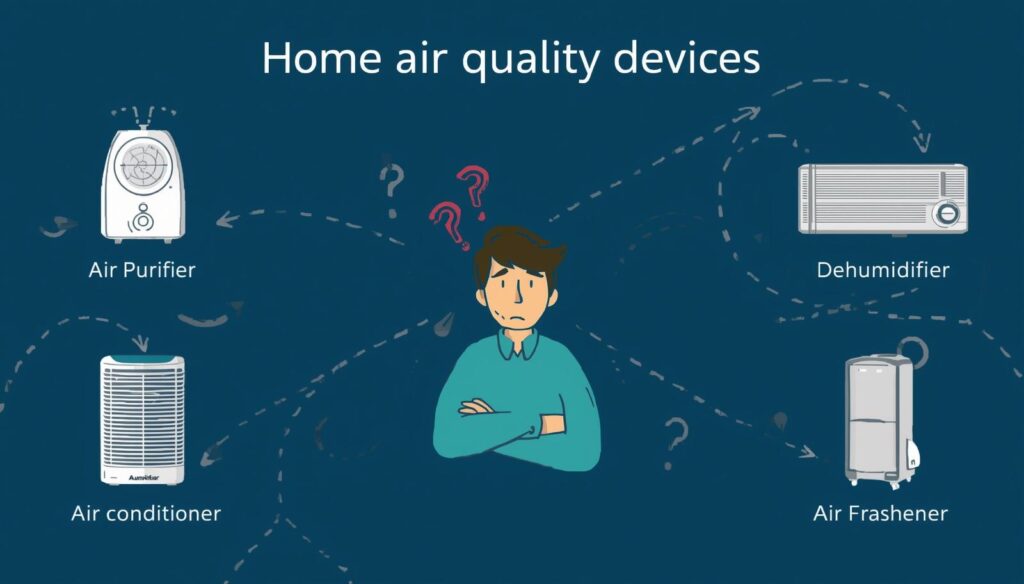
Home air quality devices are designed to address different aspects of indoor air, and not all of them work in the same way. Understanding the role of each type helps avoid confusion and ensures you choose a solution that matches the specific problem you want to manage rather than buying unnecessary or ineffective equipment.
Air Purifiers – Cleaning the Air You Breathe
Air purifiers are designed to remove airborne particles from indoor air. They work by drawing air through internal filters that capture dust, allergens and fine particles before releasing cleaner air back into the room. Air purifiers are particularly useful in bedrooms, living rooms and other spaces where people spend long periods of time, especially for families and allergy sufferers.
Their effectiveness depends on factors such as room size coverage, airflow and filter quality. An air purifier improves air cleanliness, but it does not measure air conditions or explain what is happening in the room unless combined with sensors or displays.
Air Quality Monitors – Understanding What’s in the Air
Air quality monitors do not clean the air; instead, they provide insight into indoor conditions. These devices measure factors such as particulate levels, CO₂ concentration or humidity, helping users understand when air quality is poor and when action may be needed. Monitors are especially useful for identifying patterns linked to ventilation, occupancy or daily activities like cooking.
For many households, monitoring is the first step toward improving air quality, as it removes guesswork and helps focus on the most relevant issue rather than assumptions.
Sensors for PM2.5, CO₂ and Humidity
Dedicated sensors focus on specific air quality indicators. PM2.5 sensors track fine particles, CO₂ sensors highlight ventilation issues, and humidity sensors provide context for comfort and air behaviour. While these devices do not directly change air quality, they play an important role in awareness and decision-making, especially in well-insulated UK homes.
Combined Devices – When One Device Does More
Some devices combine air purification with built-in sensors and displays, offering both cleaning and monitoring in a single unit. These solutions can be convenient, particularly for users who want a simplified setup without managing multiple devices. However, combined devices may involve trade-offs in flexibility or cost, making it important to assess whether an all-in-one solution fits your needs.
How to Choose the Right Home Air Quality Solution
Choosing the right home air quality solution starts with understanding how a device will be used in everyday life rather than focusing on individual features in isolation. The most effective choice is one that matches the size of the space, the needs of the household and the way the room is used throughout the day and night.
Room Size and Coverage
One of the first factors to consider is the size of the room where the device will be used. Air quality solutions are typically designed to work within a specific room size range, and using a device in a space that is too large can significantly reduce its effectiveness. Bedrooms, living rooms and home offices all have different air circulation patterns, so choosing appropriate coverage helps ensure consistent performance.
Filtration and Detection Capabilities
Not all devices are designed to do the same job. Some focus on removing particles from the air, while others are designed to detect and display air quality data. Understanding whether a device cleans the air, measures it, or combines both functions helps avoid unrealistic expectations. Rather than assuming every solution must include advanced filtration or sensors, it is better to focus on what is actually needed for your home.
Noise Levels and Bedroom Use
Noise is often overlooked but can be a deciding factor, especially in bedrooms or children’s rooms. Devices that operate quietly are more suitable for overnight use, while louder models may be acceptable in living areas during the day. Checking how a device performs at lower settings can be just as important as its maximum power.
Smart Features and App Control
Smart features such as mobile apps and real-time data can be helpful for monitoring air quality trends over time. However, they are not essential for every household. Some users prefer simple, standalone devices, while others benefit from app-based insights. Choosing smart features should be based on convenience rather than assumption.
By focusing on these practical factors, households can select air quality solutions that integrate smoothly into daily routines and provide meaningful improvements without unnecessary complexity.
Home Air Quality for Families and Children
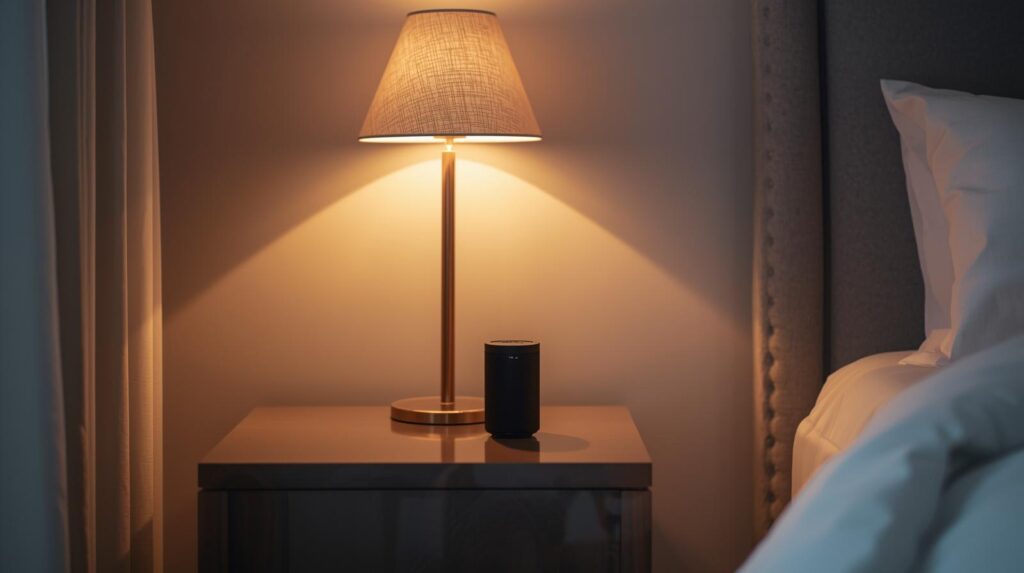
For families with children, indoor air quality is more than just a comfort issue — it directly affects health, sleep and daily wellbeing. Children breathe faster than adults, have developing lungs and spend a significant amount of time indoors, particularly in the UK where colder weather often limits ventilation for much of the year. This makes them more sensitive to airborne particles, allergens and poor air circulation.
Bedrooms, nurseries and play areas deserve particular attention. These are spaces where children spend long, uninterrupted periods of time, especially at night. Poor air quality in sleeping environments can contribute to restless sleep, nasal irritation and difficulty concentrating during the day. Even when a home appears clean, invisible particles and elevated CO₂ levels can still affect how comfortable and refreshed children feel.
Improving home air quality for families starts with awareness and suitability rather than overcomplication. Quiet operation is essential, as noisy devices can disturb sleep even if they are technically effective. Understanding what is in the air — whether particles, allergens or ventilation-related issues — allows parents to choose solutions that fit naturally into family life without adding unnecessary stress or complexity.
The goal is not to create a perfectly sterile environment, but to support healthier breathing and better rest. By focusing on appropriate room placement, low noise levels and realistic use, families can make meaningful improvements to indoor air quality that benefit both children and adults.

Common Home Air Quality Buying Mistakes
When improving home air quality, many households focus on buying a device before fully understanding the problem they are trying to solve. This often leads to disappointment, unnecessary spending and solutions that do not deliver noticeable improvements. Avoiding the most common mistakes helps ensure that any changes you make are both effective and sustainable.
Buying Devices Without Understanding the Problem
One of the most frequent mistakes is choosing an air purifier or monitor without first identifying what affects air quality in the home. Without knowing whether the issue is particles, allergens, poor ventilation or a combination of factors, it is easy to select the wrong type of device. Measuring or observing indoor air conditions first provides clarity and helps avoid guesswork.
Expecting One Device to Solve Every Issue
Another common assumption is that a single device can address all air quality concerns. Monitoring, filtration and ventilation serve different purposes, and relying on one solution to do everything often leads to unmet expectations. Understanding the specific role of each type of device helps set realistic goals and better results.
Ignoring Noise Levels and Everyday Use
Devices that perform well on paper may not be suitable for real-life use, especially in bedrooms or family spaces. Noise levels, size and placement can significantly affect whether a device is used consistently. If a solution is disruptive or inconvenient, it is less likely to deliver long-term benefits.
Paying for Features That Add Little Value
Advanced displays, apps and extra sensors can be useful, but they are not essential for every household. Paying more for features that are rarely used does not necessarily improve air quality. Focusing on suitability, reliability and ease of use often provides better value than choosing the most feature-rich option available.
Avoiding these mistakes allows households to approach home air quality improvements with clearer expectations and make decisions based on real needs rather than assumptions or marketing claims.
How We Selected Home Air Quality Products
Choosing the right home air quality products is not about recommending the most advanced or most expensive options. The aim is to highlight solutions that make sense for real UK homes, taking into account everyday use, different room types and a wide range of household needs.
Selection Criteria Based on Real Homes
Products featured in this guide were selected using practical criteria rather than marketing claims. We focused on solutions that are suitable for typical UK living spaces, including bedrooms, living rooms and home offices. Consideration was given to ease of use, realistic room coverage, noise levels and the ability to support healthier indoor environments without unnecessary complexity.
Not every product includes the same features, and that is intentional. Some households benefit from simple monitoring, while others need air-cleaning solutions or combined devices. By avoiding a one-size-fits-all approach, this guide reflects the fact that indoor air quality challenges vary from home to home.
Different Needs, Different Budgets
Home air quality improvements should be accessible, regardless of budget. The products highlighted across this guide represent a mix of entry-level options, balanced mid-range solutions and higher-performance alternatives. This makes it easier to compare devices based on suitability and value rather than price alone.
To explore and compare the available options in more detail, you can view the full range in our
Home Air Quality category
and find solutions that match your space, priorities and budget.