Smart Home Energy Efficiency Solutions in the UK – Buying Guide
Home energy efficiency has become a key concern for many UK households, especially as energy prices remain high and seasonal demand continues to rise. Modern homes rely heavily on heating, electrical appliances and smart devices, yet a significant amount of energy is often wasted without homeowners realising it. Inefficient heating schedules, always-on appliances and a lack of visibility into energy usage can quietly drive bills higher month after month.
Improving energy efficiency at home is not just about reducing costs, but about gaining better control over how and when energy is used. In the UK, common challenges include heating empty rooms, inconsistent indoor temperatures and appliances consuming power even when not actively in use. Addressing these issues can lead to more predictable bills, improved comfort and a home that works more intelligently around daily routines.
There is no single solution that suits every household. Depending on the type of property, heating system and lifestyle, energy efficiency improvements may involve smart thermostats to optimise heating, heating controllers to manage zones, energy monitors to track consumption or smart plugs to control individual devices. Many homes achieve the best results by combining several solutions rather than relying on one upgrade alone.
To help you make informed choices, we analyse and compare a range of home energy efficiency solutions available in the UK. Our recommendations are based on real-world usability, compatibility with typical British homes, value for money and suitability for different living situations — from rented flats to larger family houses and home offices.
This page contains affiliate links. We may earn a commission if you make a purchase through these links, at no extra cost to you.
Below, you’ll find a side-by-side comparison of carefully selected home energy efficiency solutions available in the UK, covering different property types, heating setups and everyday energy-saving needs. The products on this page are grouped into entry-level options, balanced all-round solutions, advanced systems and practical alternatives, making it easier to compare devices based on real household energy usage rather than marketing claims.
If you’re unsure which type of solution fits your home or how different devices actually help reduce energy bills, our Home Energy Efficiency Buying Guide explains how to choose the right option for family homes and everyday UK living.
Detailed Comparison of the 9 Best Home Energy Efficiency Solutions in the UK for Different Needs
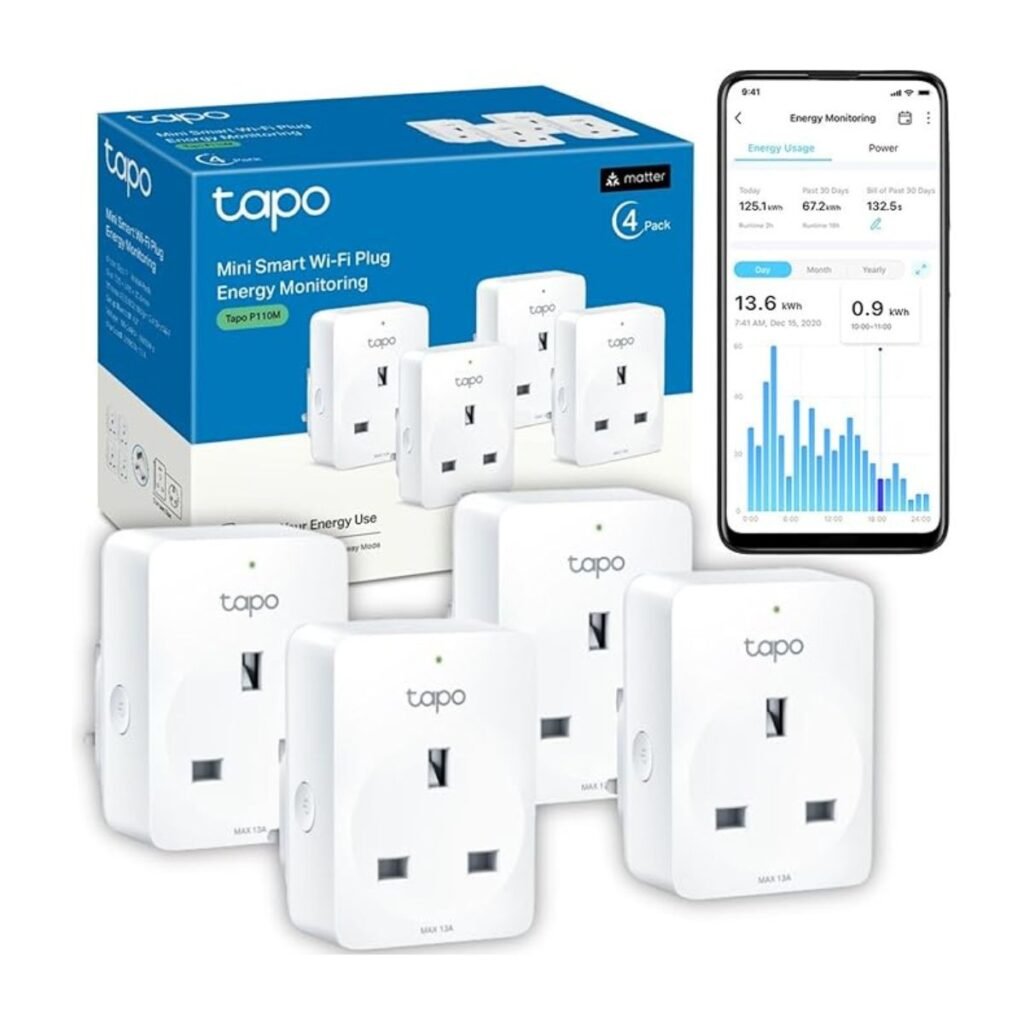
Tapo P110M Smart Plug (4-Pack) – Energy Monitoring
Best for monitoring and reducing everyday electricity use across multiple devices, helping improve home energy efficiency by controlling standby power and tracking real usage at socket level.
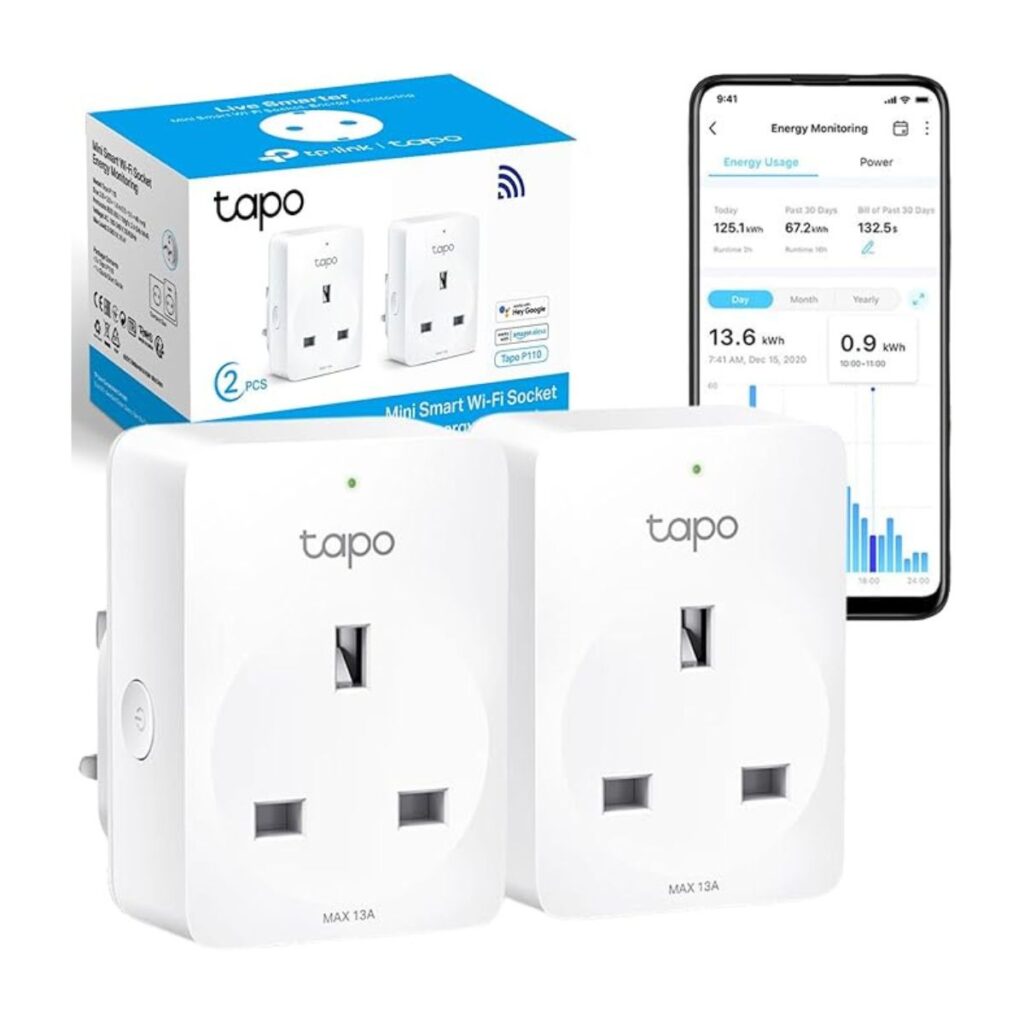
Tapo P110 Smart Plug (2-Pack) – Energy Monitoring
Best for monitoring and reducing electricity use on selected everyday devices, helping improve home energy efficiency by controlling standby power and tracking real usage at socket level in key areas of the home.
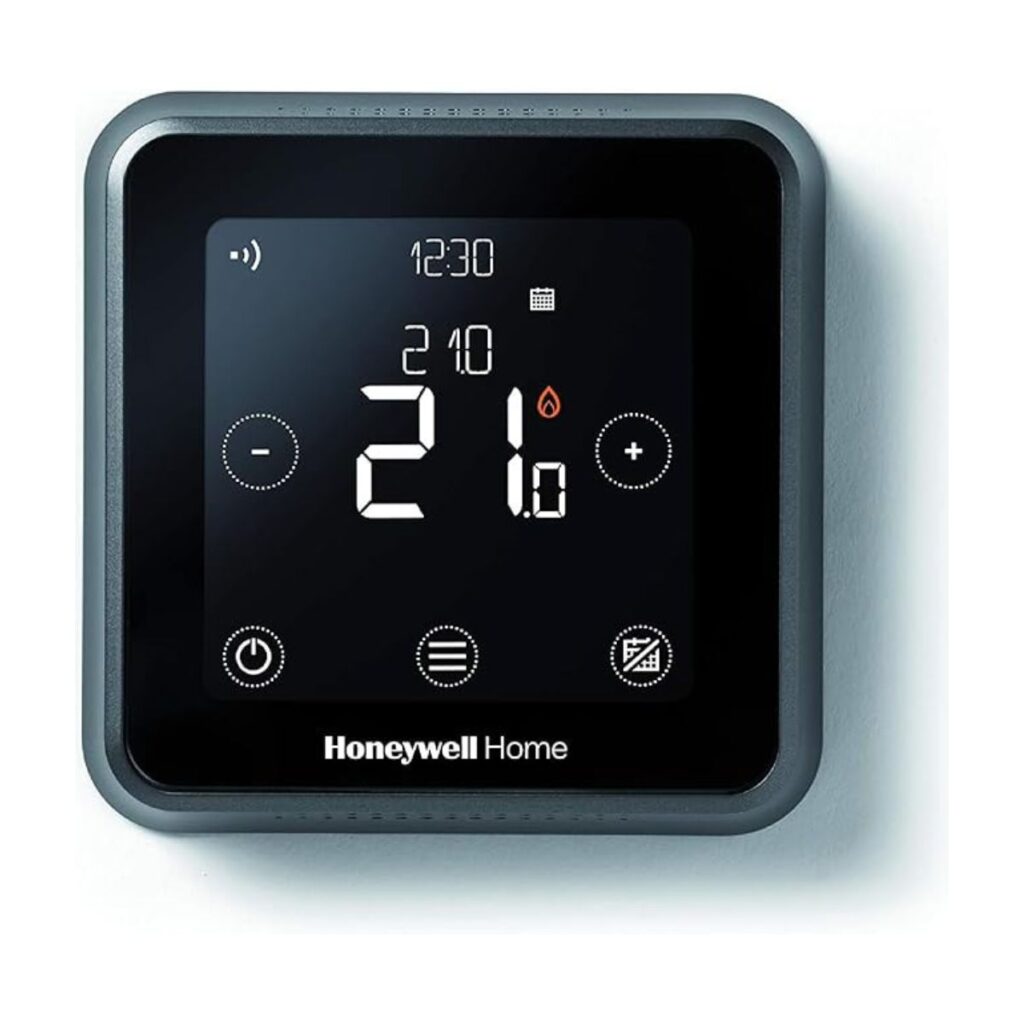
Honeywell Home T6 Smart Thermostat for Energy-Efficient Heating
Best for improving everyday heating efficiency and comfort in UK homes by providing stable temperature control, smart scheduling, and reduced unnecessary boiler usage across shared living spaces.

Bosch Smart Home Room Thermostat II for Wired Heating Systems
Best for precise, energy-efficient heating control in medium-sized homes, offering stable temperature management and smart app-based control for everyday comfort.
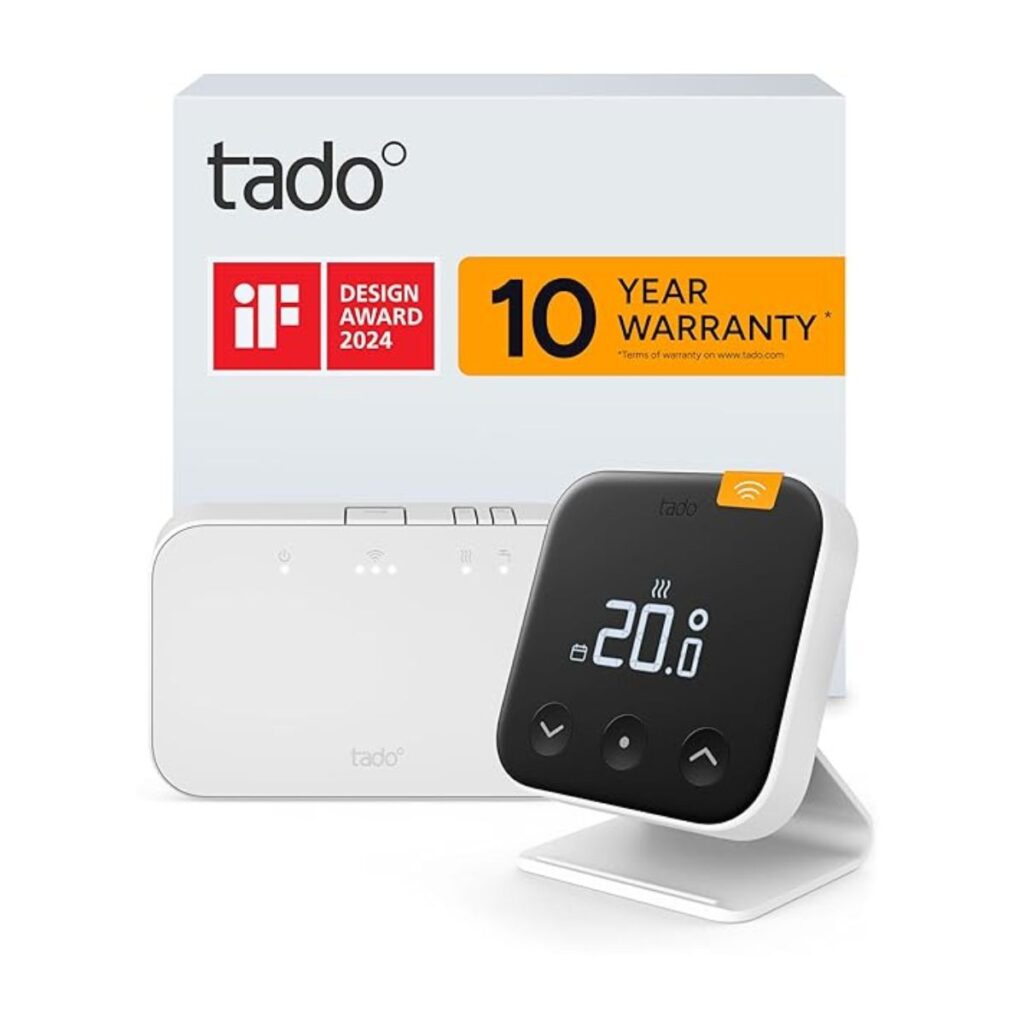
tado° Smart Thermostat X – Premium Energy-Efficient Heating Control
Best for households looking to maximise heating efficiency through intelligent automation, adaptive schedules, and smart control that reduces energy waste while maintaining everyday comfort.
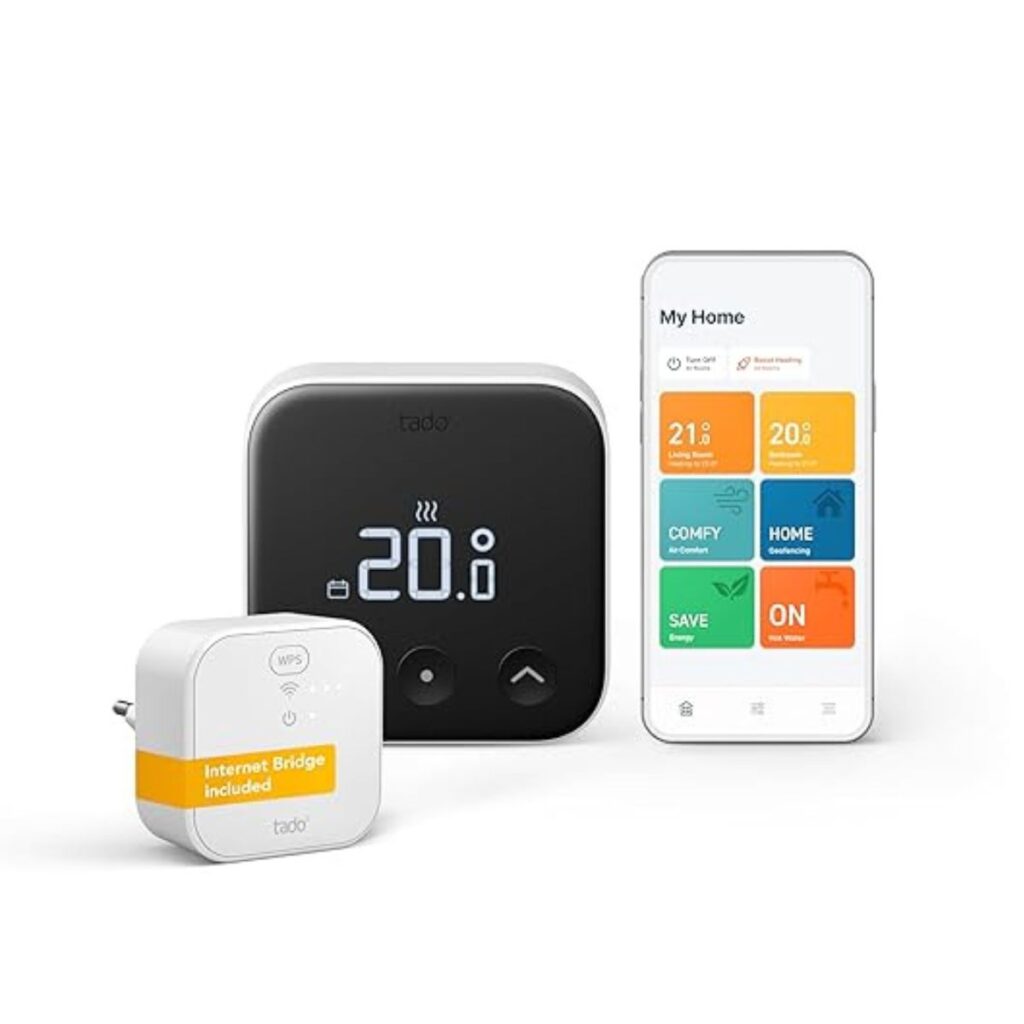
tado° Smart Thermostat X (Wired) Premium Energy Efficient Heating Control
Best for medium to large UK homes that want fully automated, location-aware heating control, lower energy bills, and consistent comfort without manual scheduling.
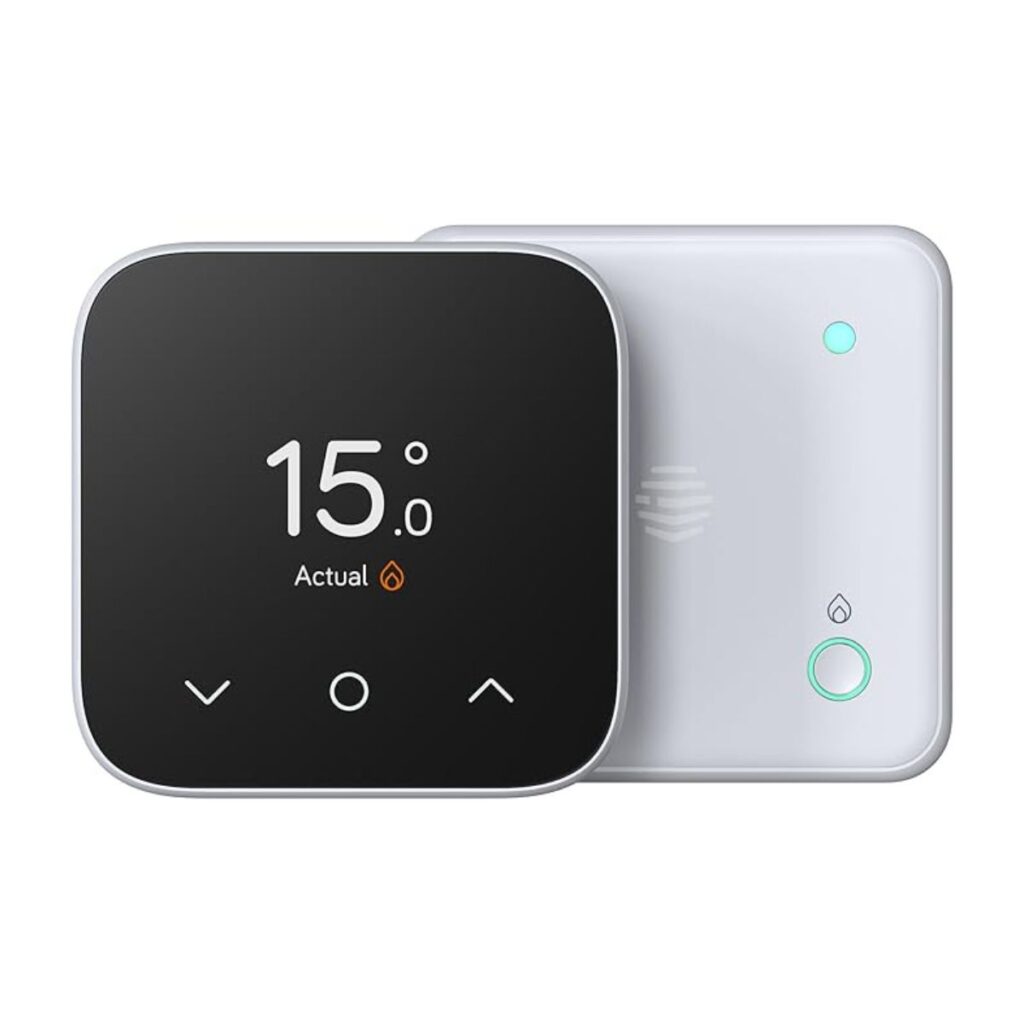
Hive Thermostat Mini for Energy-Efficient Heating Control
Best for straightforward smart heating control in UK homes, helping improve energy efficiency through simple scheduling, remote temperature management, and reliable boiler control without complex automation.
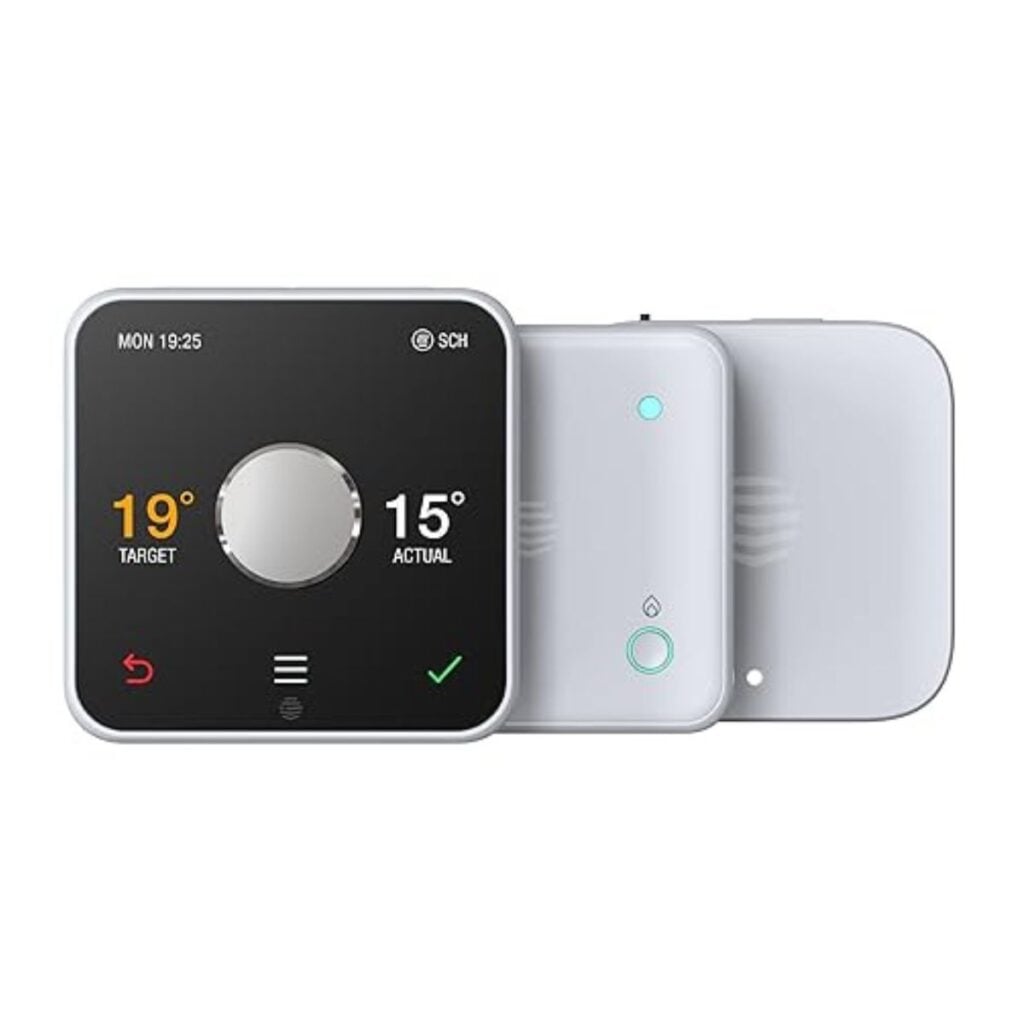
Hive Smart Thermostat with Nano Hub – Energy-Efficient Heating Control
Best for UK combi boiler homes wanting simple, reliable smart heating control to reduce everyday energy waste without complex automation.
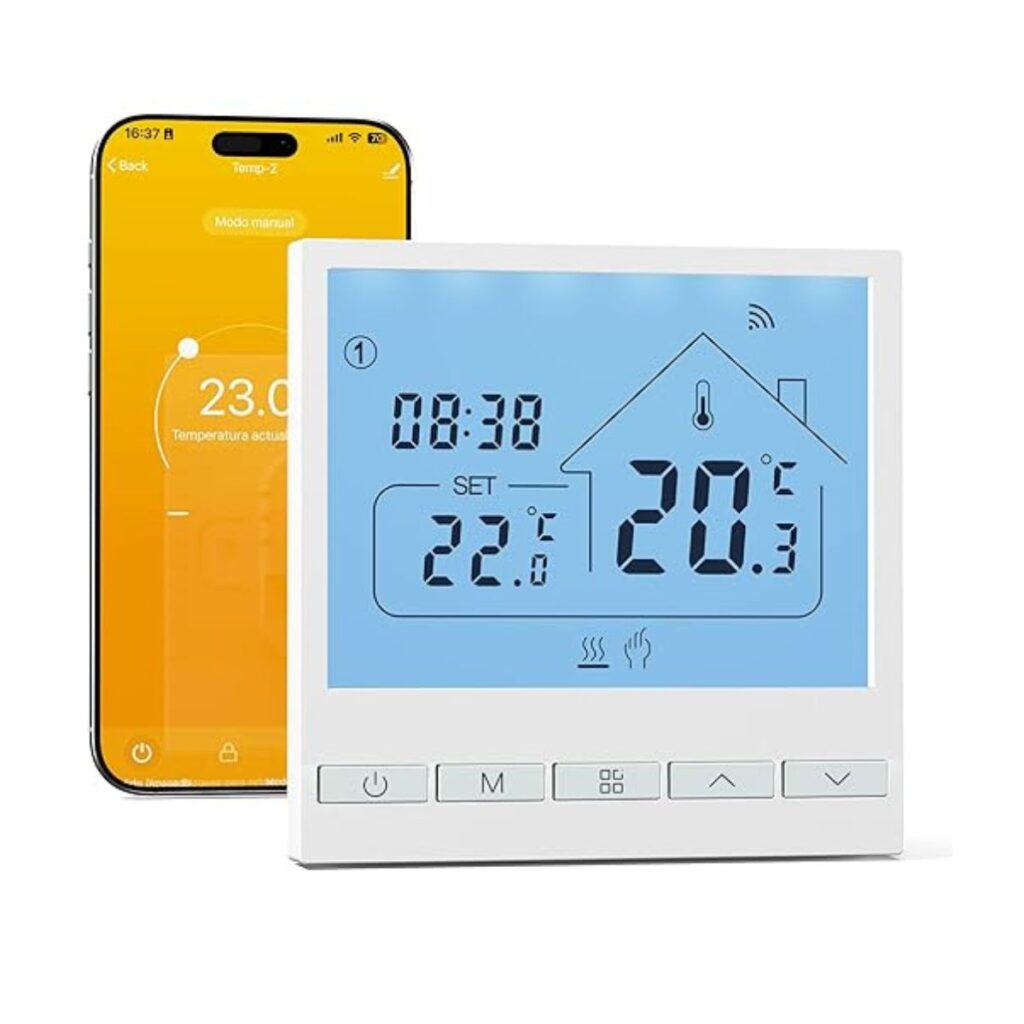
Beok Smart WiFi Thermostat Energy Efficient Heating
Best for UK homes with combi boilers that want affordable, app-based heating control and improved energy efficiency without complex automation or premium smart features
Why Home Energy Efficiency Matters in UK Homes
Home energy efficiency is no longer just a concern for older properties or households actively trying to cut costs. Across the UK, it has become an essential part of everyday living as energy prices remain high and homes rely more heavily on heating, electrical appliances and smart technology. Inefficient energy use is now a common issue rather than an exception, affecting household budgets, comfort and how effectively a home operates on a daily basis.
From period houses with outdated heating systems to modern homes designed to retain heat, many UK properties experience unnecessary energy loss or inefficient consumption. Improving home energy efficiency helps create a more controlled, predictable and comfortable living environment while reducing wasted energy throughout the year.
Common energy efficiency challenges in UK households
Energy efficiency issues in UK homes often stem from everyday habits and system limitations rather than obvious faults. Common problems include heating empty rooms, inconsistent indoor temperatures, appliances drawing power when not in use, and a lack of visibility into where energy is actually being consumed.
These challenges are particularly noticeable during colder months when heating demand increases and homes are kept sealed. Without proper control or monitoring, energy usage can rise quickly without delivering proportional improvements in comfort. Addressing these inefficiencies early helps households gain better control over consumption and avoid unnecessary costs.
Comfort, control, and everyday living conditions
Energy efficiency has a direct impact on how comfortable and manageable a home feels. Poor heating control can lead to rooms that are too cold or overheated, while unmanaged appliances can quietly increase electricity usage in the background. In homes where people work remotely or follow varied daily schedules, these inefficiencies can disrupt comfort and routine.
By optimising heating schedules, controlling individual devices and monitoring energy usage more accurately, energy efficiency solutions help homes respond better to real-life patterns. This results in more consistent temperatures, reduced waste and a living environment that feels easier to manage day to day.
Who benefits most from improving home energy efficiency
Home energy efficiency solutions are suitable for a wide range of households and property types. Homeowners often use them to gain long-term control over heating and energy costs, while renters benefit from portable, non-invasive options that require no permanent installation. They are particularly useful for families, home office users and households with fluctuating daily routines.
These solutions are also well suited to properties with older heating systems, homes with multiple rooms used at different times, and households looking to reduce energy waste without major renovations. From simple entry-level devices to more advanced systems, improving home energy efficiency can be tailored to different needs, living situations and budgets.
How to Choose the Right Home Energy Efficiency Solution for Your Needs
Choosing the right home energy efficiency solution involves more than simply selecting the most advanced technology or the cheapest option. The best choice depends on how energy is currently used in your home, the type of heating system you have, and which areas generate the most unnecessary consumption.
Understanding these factors early helps avoid investing in solutions that do not address your actual energy usage patterns or are overly complex for your household. A targeted approach leads to better control, more consistent comfort and more noticeable savings over time.
Property type, energy usage patterns, and real-world needs
Different energy efficiency solutions are designed to solve different problems. Smart thermostats help optimise heating schedules, heating controllers manage zones and room temperatures, energy monitors provide visibility into consumption, and smart plugs control individual appliances that draw power unnecessarily.
Property size, layout and daily routines play a major role in effectiveness. A solution that works well in a small flat may not be suitable for a larger family home with multiple rooms used at different times. Matching the solution to both the property type and the specific energy issue ensures better efficiency and more practical results in everyday use.
Ease of installation, control, and running costs
Practical usability is a key factor for any energy efficiency solution used daily. Clear controls, intuitive apps and automation features make it easier to manage heating and devices without constant manual adjustments. Installation requirements should also be considered, particularly for renters or households looking for non-invasive upgrades.
Running costs vary depending on energy consumption and system complexity. Efficient solutions that reduce waste, optimise schedules and minimise standby power help keep ongoing costs under control, especially during colder months when energy demand is highest.
Compatibility, reliability, and long-term value
Compatibility with existing heating systems and smart home platforms is essential. Some solutions integrate seamlessly with boilers, radiators and smart assistants, while others are designed to work independently. Checking compatibility early helps avoid limitations or unnecessary replacements later on.
Long-term reliability and build quality also influence overall value. Well-supported systems, stable connectivity and dependable components contribute to consistent performance over time. Rather than focusing solely on headline features, it’s worth considering real-world reliability, user feedback and long-term usability in typical UK home environments.
Detailed Comparison of the Best Home Energy Efficiency Solutions
When comparing home energy efficiency solutions, it’s important to focus on real-world impact rather than headline features alone. Factors such as how effectively a device reduces unnecessary energy use, how it integrates with daily routines, ease of control, and long-term reliability all play a major role in delivering meaningful savings in a typical UK home.
On paper, many energy efficiency products may appear similar, but in everyday use their performance can vary significantly. Differences in automation accuracy, heating control, responsiveness to schedules, and visibility of energy consumption often determine whether a solution genuinely reduces waste or delivers only marginal improvements over time.
Some home energy efficiency solutions are designed for targeted use, such as controlling individual appliances or optimising heating in a single area, while others are built to manage whole-home systems or more complex energy usage patterns. Rather than ranking products based purely on brand recognition or feature lists, this comparison focuses on how well each option aligns with practical household needs and realistic expectations.
By comparing entry-level, balanced all-round, advanced, and alternative home energy efficiency solutions side by side, it becomes easier to identify which products offer the best balance of control, usability, and value for different properties, lifestyles and energy-saving goals.
Which Home Energy Efficiency Solution Offers the Best Value for Money?
Value for money in home energy efficiency solutions does not simply mean choosing the lowest-priced device. A well-balanced option should deliver measurable reductions in unnecessary energy use, suit the type of property and heating setup, operate efficiently in everyday conditions, and remain practical to control and maintain — without paying extra for features that add little real benefit.
The best choice depends on whether the goal is making quick improvements in a single area, improving overall household energy control, or addressing more persistent challenges such as inefficient heating schedules, uneven room temperatures, or high background electricity usage.
Best entry-level home energy efficiency solutions for simple savings
Entry-level home energy efficiency solutions are ideal for households looking to reduce waste without major changes. These options are typically affordable, easy to install and focus on controlling individual devices or gaining basic insight into energy usage.
They are best suited to smaller homes, rented properties, or targeted improvements where simplicity, low upfront cost and minimal setup matter more than whole-home energy management.
Best all-round home energy efficiency solutions for everyday use
Mid-range home energy efficiency solutions usually offer the strongest balance between control, automation and value. These options are suitable for regular use in family homes where managing heating schedules, room usage and daily routines plays a significant role in energy consumption.
For many UK households, this category represents the most practical long-term investment, combining noticeable energy savings, improved comfort and reliable performance without unnecessary complexity or high running costs.
Advanced home energy efficiency solutions for greater control
Advanced home energy efficiency solutions are designed for larger properties, multi-room heating systems or households with more complex energy usage patterns. These options often provide greater automation, zone control or system-wide optimisation.
While they typically involve a higher initial investment, they are better suited to users who need consistent control across the home or want to address ongoing inefficiencies. In these cases, long-term savings, improved comfort and effective energy management often justify the upfront cost.
Are There Better Alternatives for Specific Energy Efficiency Challenges?
While general home energy efficiency solutions work well for many households, certain situations benefit from more targeted approaches or devices designed for specific usage patterns. Understanding these differences helps match the right solution to the actual energy challenge and avoids investing in systems that are either ineffective or unnecessarily complex.
Not every home needs a single, all-purpose upgrade. Choosing solutions based on real-world use cases improves efficiency, keeps costs under control and leads to more reliable long-term results.
Energy efficiency solutions for bedrooms and low-usage rooms
Bedrooms and rarely used rooms often benefit from simple, targeted energy efficiency solutions rather than full heating system upgrades. Smart plugs or basic heating controls can help prevent unnecessary energy use in spaces that are not occupied throughout the day.
These options are best suited for controlling standby power, limiting heating to specific times and improving efficiency without adding complexity to the overall system.
Energy efficiency solutions for homes with high heating demand
Households with high heating usage, particularly during colder months, often require more advanced control. Smart thermostats and heating controllers allow for better scheduling, temperature consistency and zone-based heating, reducing waste without sacrificing comfort.
These solutions are ideal for homes where heating represents the largest portion of energy costs and where fine-tuned control delivers noticeable savings over time.
Energy efficiency solutions for rented properties
Renters typically need non-invasive solutions that do not require permanent installation or changes to existing systems. Smart plugs and portable energy monitors offer an effective way to reduce waste and gain insight into energy usage without affecting the property.
These options allow tenants to improve efficiency, manage costs and take their devices with them when moving, making them a practical alternative to fixed installations.
Energy efficiency solutions for home offices and daytime use
Home offices often require consistent comfort during working hours, which can lead to higher daytime energy consumption. Targeted heating schedules, room-specific control and smart plugs for office equipment help reduce unnecessary usage while maintaining a comfortable working environment.
These solutions are particularly effective for people working from home who want predictable energy use without heating or powering unused areas of the house.
Energy efficiency solutions for managing standby power and appliances
Many UK households experience energy loss from appliances that continue to draw power even when not actively in use. Smart plugs and energy monitoring devices provide a practical way to identify and control these hidden sources of consumption.
By managing standby power more effectively, these solutions help reduce background energy usage and improve overall efficiency without changes to heating systems or daily routines.
Frequently Asked Questions About Home Energy Efficiency in the UK
What does home energy efficiency actually mean in everyday UK households?
Home energy efficiency refers to how effectively a household uses energy to achieve the same level of comfort, heating and functionality while reducing unnecessary waste. In practical terms, this means using heating, electricity and appliances in a way that matches real daily needs rather than running systems constantly or inefficiently.
In UK homes, energy efficiency often focuses on better control rather than major structural changes. This can include managing heating schedules more accurately, preventing appliances from drawing power when not in use, and gaining clearer insight into where energy is being consumed. Even small improvements in control and awareness can make a noticeable difference to monthly energy bills and overall comfort.
Is improving home energy efficiency only about reducing energy bills?
Reducing energy bills is a major motivation, but home energy efficiency goes beyond cost savings alone. Better energy control helps create a more comfortable and predictable living environment, with fewer temperature fluctuations and less wasted energy.
Efficient energy use also makes homes easier to manage day to day. Heating rooms only when needed, avoiding unnecessary power consumption and maintaining stable indoor temperatures can improve comfort, reduce frustration and make energy use feel more intentional rather than reactive. For many households, these practical benefits are just as important as financial savings.
Do modern UK homes still suffer from energy inefficiency?
Yes, even modern UK homes can be energy inefficient in practice. While newer properties are often better insulated, inefficient heating schedules, poor control of appliances and lack of monitoring can still lead to unnecessary energy use.
In many cases, energy is wasted not because of the building itself but due to how systems are used. Heating empty rooms, leaving devices on standby or running appliances without visibility into their consumption are common issues across both new and older properties. Energy efficiency solutions help address these behavioural and control-related inefficiencies.
What are the most common causes of wasted energy in UK homes?
The most common sources of wasted energy in UK households include heating systems running longer than necessary, inconsistent room temperatures, appliances drawing standby power and lack of awareness about actual energy usage. These issues often build up gradually and go unnoticed.
Without clear control or monitoring, small inefficiencies can add up over time. For example, heating rooms that are rarely used or running multiple appliances simultaneously without need can significantly increase energy consumption. Addressing these everyday habits is often more effective than focusing only on major upgrades.
Are home energy efficiency improvements suitable for rented properties?
Yes, many energy efficiency improvements are well suited to rented homes. Non-invasive solutions such as smart plugs, portable energy monitors and app-based controls allow renters to reduce waste and improve energy management without making permanent changes to the property.
These options are particularly useful for tenants who want better control over costs while retaining flexibility. Because they do not require structural modifications, they can be removed and reused when moving, making them a practical choice for rented accommodation.
How quickly can energy efficiency improvements make a noticeable difference?
Some energy efficiency improvements can have an immediate impact, especially those that address standby power, heating schedules or unnecessary appliance use. Gaining visibility into energy consumption often leads to quick behaviour changes that reduce waste.
Other improvements, such as optimising heating control across multiple rooms, may deliver more gradual benefits over time. The key factor is consistency — using energy more intentionally and maintaining good control habits leads to more reliable long-term results rather than short-term reductions alone.
Is it better to focus on one energy efficiency solution or combine several approaches
In most cases, combining multiple energy efficiency approaches delivers better results than relying on a single solution. For example, controlling heating schedules while also managing appliance power use addresses both major and background sources of energy consumption.
A combined approach allows households to target different areas of waste and adapt solutions to specific rooms or routines. Rather than aiming for a one-size-fits-all upgrade, layering simple and advanced solutions often provides a better balance of effectiveness and value.
How do I know which energy efficiency improvements are right for my home?
Choosing the right energy efficiency improvements starts with understanding how energy is currently used in your home. Factors such as property size, heating system type, daily routines and the areas where energy use feels least controlled all play a role.
Focusing on real-world needs rather than headline features helps narrow down suitable options. Homes with high heating demand may benefit from better heating control, while households concerned about background electricity usage may prioritise monitoring and device-level control. Matching solutions to actual usage patterns leads to more meaningful improvements and better long-term satisfaction.
How Home Energy Efficiency Fits into a Smarter, More Resilient Home
Home energy efficiency solutions rarely exist in isolation. In real UK homes, they are often part of a wider approach to comfort, resilience, and everyday living — particularly in properties where heating costs, energy usage, ventilation and seasonal weather changes all affect how the home functions day to day.
Energy efficiency is closely linked with Home Air Quality, as well-managed heating, controlled energy use and balanced airflow directly influence indoor conditions. Homes that rely on efficient heating schedules and controlled energy consumption are better able to maintain stable temperatures without creating stale air, excess humidity or uneven comfort between rooms. When energy use and air quality are considered together, indoor spaces tend to feel more balanced, comfortable and easier to manage throughout the year.
Heating plays a central role in this relationship. Efficient energy use depends not only on when power is consumed, but also on how heating systems are designed, controlled and distributed throughout the home. Our Heating Solutions category focuses on practical ways to improve heating performance, reduce unnecessary energy loss and support consistent indoor comfort — working hand in hand with broader energy efficiency improvements rather than in isolation.
For example, during colder months or periods of unstable weather, ventilation is often reduced to retain heat, which can negatively impact air quality. In these situations, improving energy efficiency and heating control helps limit unnecessary heat loss while supporting the effective operation of air quality solutions. Having reliable Emergency Power options also ensures that essential systems — such as heating controls, air circulation devices or moisture management equipment — can continue to operate when needed, maintaining comfort rather than allowing sudden disruption.
Similarly, energy efficiency planning often overlaps with portable energy solutions. Smart home devices, heating controls and air quality equipment still rely on electricity, and households looking for flexibility or backup options frequently explore solutions beyond fixed installations. If you’re comparing power continuity options that support everyday home systems, our Portable Power Stations category provides a practical overview of versatile energy solutions suitable for both indoor use and temporary backup.
Moisture control is another area where energy efficiency, heating and air quality connect. Poorly managed heating and ventilation can contribute to condensation and damp, especially in UK homes during colder seasons. Addressing how energy is used for heating while managing airflow and humidity creates a more stable indoor environment. Our Dehumidifiers buying guides focus on practical ways to reduce excess moisture and complement broader improvements in both air quality and energy efficiency.
By viewing home energy efficiency as part of a connected home strategy — alongside Heating Solutions, Home Air Quality, emergency power, portable energy solutions and moisture control — it becomes easier to build a setup that supports comfort, resilience and long-term usability, rather than addressing individual issues in isolation.
Choosing the right home energy efficiency solution ultimately comes down to understanding your property, everyday routines and how energy is actually used throughout the home. Whether the goal is reducing heating waste in a single room, gaining better control over household energy use, or addressing ongoing challenges such as inconsistent temperatures or unnecessary electricity consumption, selecting the right balance of control, usability and running costs makes a noticeable difference.
By focusing on real-world performance, practical features and long-term value — rather than headline claims or technical specifications alone — it becomes much easier to choose energy efficiency solutions that genuinely suit both your household and your budget. A well-matched setup not only helps reduce waste and manage costs more effectively, but also supports a more comfortable, predictable and resilient home over time.