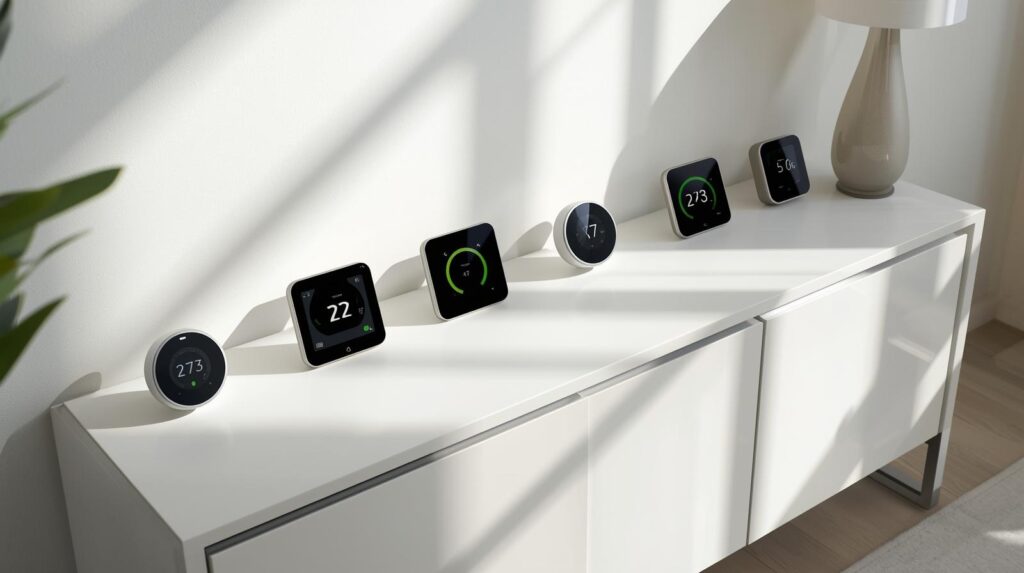
Home Energy Efficiency Buying Guide – How to Reduce Energy Bills in UK Homes
Rising energy bills have become a major concern for many UK households, especially families trying to balance comfort with affordability. Even homes that feel warm and well managed can waste energy through inefficient heating control, poor visibility of usage and everyday habits that go unnoticed. Improving energy efficiency is not about sacrificing comfort — it is about using energy more intelligently.
For families, heating is usually the biggest contributor to household energy costs. Heating rooms that are not in use, maintaining the same temperature throughout the day, or lacking clear insight into where energy is being consumed can all lead to higher bills without providing real benefits. Small improvements in how energy is managed can make a meaningful difference over time.
This buying guide is designed to help you understand what home energy efficiency really means in practice and how modern energy-saving devices can support better control. Rather than focusing on individual products, the guide explains common reasons why energy bills are high in UK homes, the types of efficiency solutions available and how to choose options that fit your household routines. Whether your goal is to reduce heating costs, gain better insight into electricity usage or improve overall household efficiency, this guide will help you make informed decisions based on real needs rather than assumptions.
This guide is especially useful if you:
- are concerned about rising energy bills
- want to improve heating efficiency without losing comfort
- manage energy use in a family home
- want clearer insight into where energy is being used
This page contains affiliate links. We may earn a commission if you make a purchase through these links, at no extra cost to you.
What Home Energy Efficiency Really Means in Everyday Use
Home energy efficiency is not about using less energy at all costs — it is about using energy in a smarter, more controlled way that matches how a household actually lives. In everyday terms, this means reducing unnecessary energy waste while keeping homes comfortable, warm and functional, especially for families.
In many UK homes, energy inefficiency does not come from poor insulation alone. It often results from heating being left on when rooms are not in use, temperatures remaining constant throughout the day regardless of occupancy, or a lack of visibility over how and when energy is consumed. These small, everyday factors can add up to significantly higher bills without delivering better comfort.
Energy efficiency also involves understanding patterns. Families typically follow daily routines — mornings, school runs, work hours and evenings at home. When energy use does not align with these routines, heating and electricity are often used when they are not needed most. Improving efficiency starts with recognising these patterns and adjusting control rather than relying on guesswork.
Importantly, improving home energy efficiency does not mean compromising warmth or convenience. The goal is to maintain comfortable living conditions while avoiding unnecessary energy use. Once households understand how energy is used on a daily basis, choosing solutions that support better control and awareness becomes far more straightforward.
Why Energy Bills Are High in UK Homes
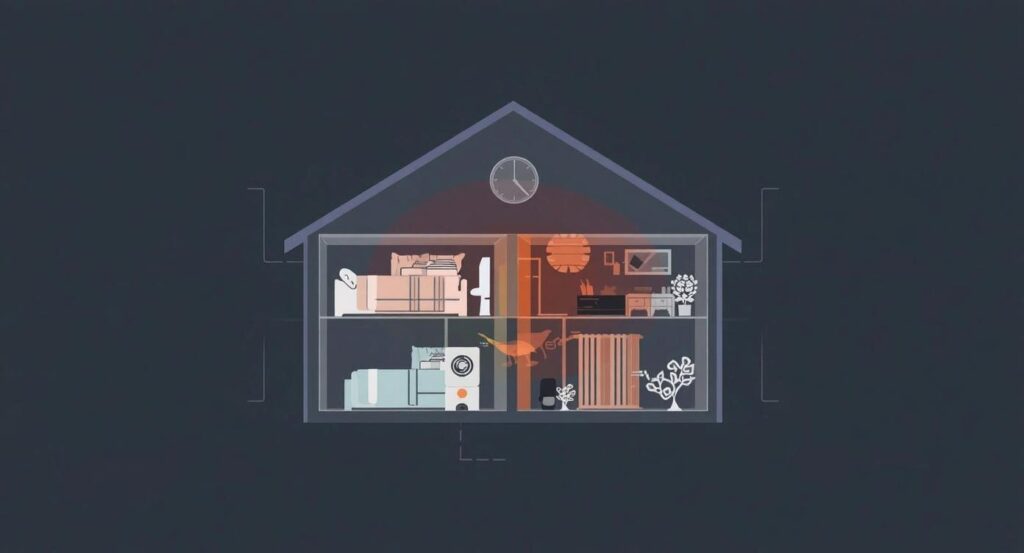
High energy bills are rarely caused by a single issue. In most UK homes, rising costs are the result of everyday habits, limited heating control and a lack of clear insight into how energy is actually being used. Understanding these common causes helps explain why bills remain high even when households feel they are being careful.
Inefficient Heating Control
Heating is the biggest contributor to energy costs for most families. In many homes, heating systems run on fixed schedules or manual adjustments that do not reflect how rooms are used throughout the day. Heating spaces that are unoccupied for long periods, or keeping the same temperature regardless of activity, leads to unnecessary energy waste without improving comfort.
Heating Rooms That Don’t Need It
Another common issue is heating the entire home evenly, even when only certain rooms are in use. Spare bedrooms, hallways or home offices may be heated unnecessarily, increasing overall consumption. Without room-level control or better awareness of usage, families often pay for heat they do not actively benefit from.
Lack of Visibility Over Energy Usage
Many households simply do not know where their energy is going. Electricity usage from everyday appliances, standby power and heating-related equipment can add up quickly, especially when left unchecked. Without visibility or feedback, it is difficult to identify inefficiencies or change habits in a meaningful way.
By recognising these factors, households can shift their focus from cutting back blindly to managing energy more intelligently. Better awareness and control are often the first steps toward reducing energy bills without compromising comfort.
Types of Home Energy Efficiency Devices Explained
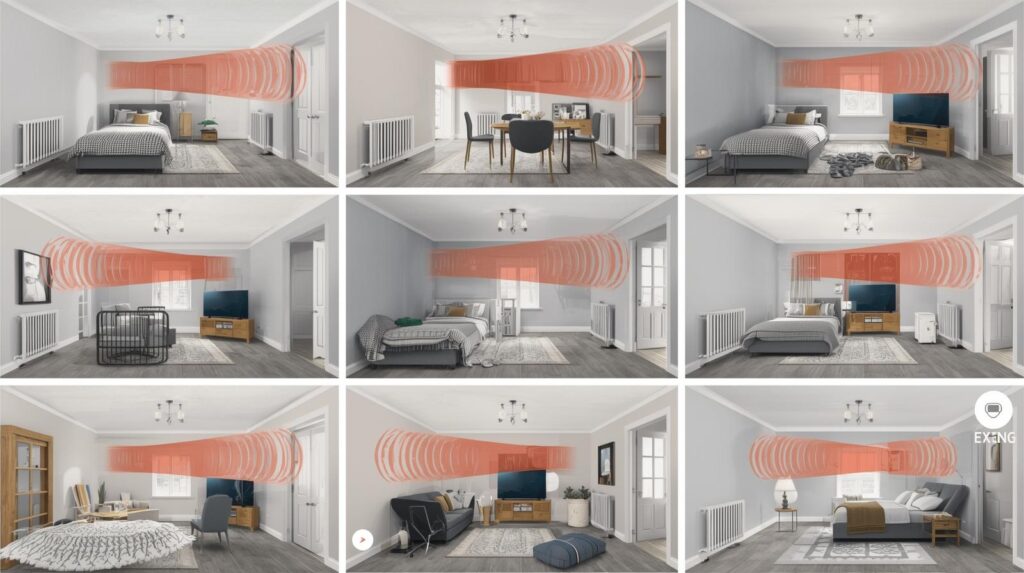
Home energy efficiency devices are designed to improve control, visibility and everyday decision-making rather than simply reducing energy use blindly. Understanding the role of each type of device helps households choose solutions that actually match their routines and priorities instead of investing in technology that adds little real benefit.
Smart Thermostats – Smarter Control of Home Heating
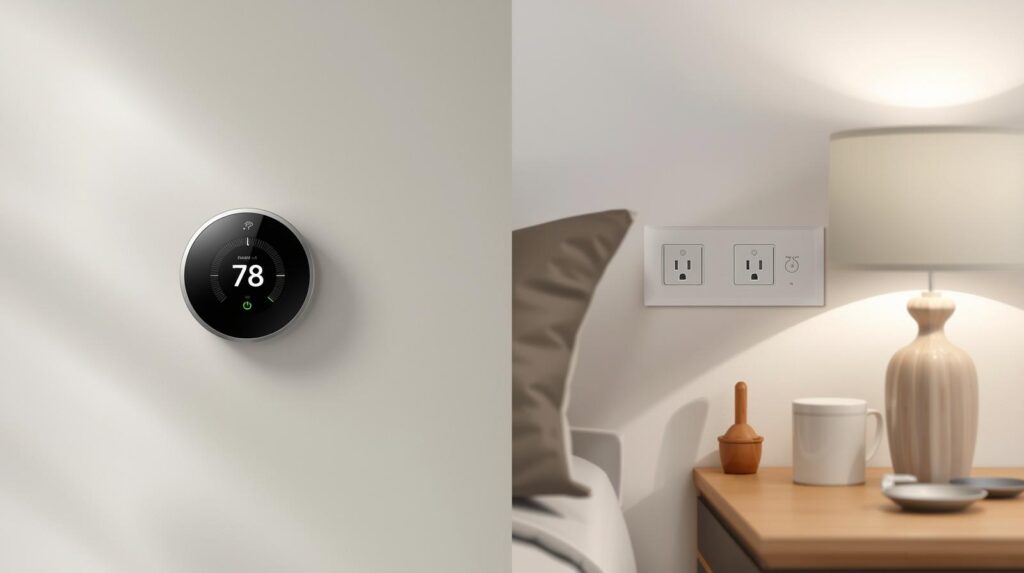
Smart thermostats focus on controlling heating more efficiently by aligning it with how a household lives. They allow temperatures to be adjusted automatically based on schedules, occupancy or daily routines, helping reduce unnecessary heating while maintaining comfort. For family homes, this can mean warmer living spaces when they are needed most and less wasted energy when rooms are empty.
Rather than constantly adjusting radiators or boiler settings manually, smart thermostats help create consistency and predictability in heating behaviour. Their main value lies in control and automation, not in reducing comfort.
Energy Monitors and Smart Plugs – Understanding Where Energy Is Used
Energy monitors and smart plugs provide visibility into electricity usage. They help households see how much power appliances consume, identify patterns and spot unnecessary energy use such as devices left on standby. This insight can be particularly useful in family homes, where multiple devices are often running throughout the day.
While these devices do not directly reduce energy consumption on their own, they play an important role in awareness. By showing where energy is being used, they support better decisions and more efficient habits over time.
Together, these device types address different aspects of home energy efficiency. One focuses on controlling heating, while the other improves understanding of electricity usage. Choosing the right combination depends on whether the priority is heating efficiency, overall household energy awareness or both.
How to Choose the Right Energy Efficiency Solution for Your Home
Choosing the right energy efficiency solution is about matching technology to how your household actually lives. The most effective devices are those that fit daily routines, room usage and comfort expectations rather than forcing major lifestyle changes. For families, simplicity and reliability matter just as much as potential savings.
Household Size and Daily Routines
Start by considering who is at home and when. Family schedules often include busy mornings, empty homes during school and work hours, and evenings spent together. Energy efficiency solutions work best when they align with these patterns, reducing heating or electricity use during low-occupancy periods and prioritising comfort when the home is in use.
Heating Habits and Room Usage
Not all rooms need the same level of heating throughout the day. Bedrooms, living areas and less-used spaces have different requirements. Solutions that allow better control over when and where heat is used can help reduce unnecessary energy consumption without lowering overall comfort. Understanding which rooms are used most often makes it easier to choose appropriate controls.
Simplicity vs Smart Automation
Some households prefer simple, hands-off solutions that quietly manage energy in the background, while others value detailed insights and manual control. Smart automation can be helpful, but only if it matches the household’s willingness to engage with technology. Choosing a solution that feels intuitive increases the likelihood of consistent use and long-term benefits.
By focusing on routines, room usage and ease of use, families can select energy efficiency solutions that integrate naturally into everyday life and support lower energy bills without added complexity.
Home Energy Efficiency for Families
For families, home energy efficiency is about balancing comfort, predictability and cost. Busy daily routines, different room usage and varying temperature preferences mean that energy is often used when it is not truly needed. Improving efficiency helps families maintain a comfortable home environment while avoiding unnecessary energy waste.
Heating consistency plays a key role in family homes. Sudden temperature changes, overheating unused rooms or relying on constant manual adjustments can all increase energy consumption without improving comfort. Solutions that support steady, well-timed heating make it easier to keep living areas warm when the family is together and reduce usage during quieter periods of the day.
Energy efficiency also supports better household management. When energy use is easier to understand and control, families are more likely to develop habits that reduce waste over time. This does not require constant monitoring or technical knowledge — the most effective approaches are those that quietly support everyday routines rather than demanding attention.
The aim is not to change how families live, but to make energy use work around family life. By focusing on comfort, simplicity and realistic control, households can achieve meaningful improvements in energy efficiency while keeping their homes welcoming and functional.

Common Home Energy Efficiency Buying Mistakes
When trying to reduce energy bills, many households invest in new devices without fully understanding how energy is actually used in their home. This often leads to frustration, limited results and spending money on solutions that do not match everyday routines. Avoiding the most common mistakes helps ensure that energy efficiency improvements are practical and sustainable.
Expecting Instant Savings Without Changing Habits
One of the most common misconceptions is expecting immediate savings simply by installing smart or energy-efficient devices. While technology can support better control, real improvements usually come from aligning energy use with daily routines. Without adjusting how heating and electricity are used, even the best devices may deliver only limited benefits.
Buying Smart Devices Without Understanding Usage
Another frequent mistake is choosing smart thermostats or energy monitors without first understanding how energy is currently consumed. Without this context, it is difficult to know which features are genuinely useful and which add unnecessary complexity. Awareness and clarity should come before automation.
Overpaying for Features That Don’t Fit the Household
Advanced features, detailed apps and extra controls can be appealing, but they are not always necessary. Paying for functions that are rarely used does not automatically lead to better efficiency. In many family homes, simple and intuitive solutions provide better long-term value than feature-heavy alternatives.
By recognising these common mistakes, households can focus on realistic improvements that fit naturally into family life and support lower energy bills over time.
How We Selected Home Energy Efficiency Products
Improving home energy efficiency is not about recommending the most expensive or feature-packed devices. The goal of this guide is to highlight solutions that make sense for real UK households, especially family homes where comfort, simplicity and predictable energy use matter just as much as potential savings.
Selection Criteria for UK Homes
Products featured in this guide were selected based on how they perform in everyday UK living conditions. We considered how well they support better heating control, improve visibility of energy usage and integrate into normal family routines without requiring constant attention. Ease of use, reliability and suitability for typical home layouts were prioritised over headline features or technical complexity.
Not every household needs the same level of control or automation. Some benefit from simple improvements to heating schedules, while others value clearer insight into electricity usage. For this reason, the selection reflects a range of approaches rather than a single “best” solution.
Different Budgets, Different Needs
Energy efficiency should be achievable at different price points. The products referenced across this guide include entry-level options, balanced all-rounders, higher-performance solutions and practical alternatives. This makes it easier to compare devices based on suitability and value rather than price alone.
To explore the available options in more detail and compare solutions that fit your household, you can view the full range in the
Home Energy Efficiency category
and choose products that align with your home, routines and priorities.