Improving home energy efficiency has become a priority for many UK households, not only because of rising energy costs, but also due to greater awareness of how much energy is wasted every day. In most homes, inefficiency is not caused by a single major issue, but by a combination of small, overlooked habits and poorly controlled systems.
Many people assume that cutting energy bills requires expensive upgrades or major changes to their home. In reality, some of the most effective improvements come from better control, smarter routines and clearer insight into how energy is actually being used. Heating, electricity usage and daily behaviour all play a role, and even minor adjustments can reduce unnecessary consumption over time.
As we move into 2026, improving energy efficiency is less about radical changes and more about making informed decisions. Understanding where energy is lost, how heating is managed and how routines affect consumption allows households to take practical steps without disrupting everyday life.
This guide explores smart, realistic ways to improve home energy efficiency in the UK, focusing on changes that can reduce waste, improve comfort and support long-term savings — without technical complexity or assumptions about cost.
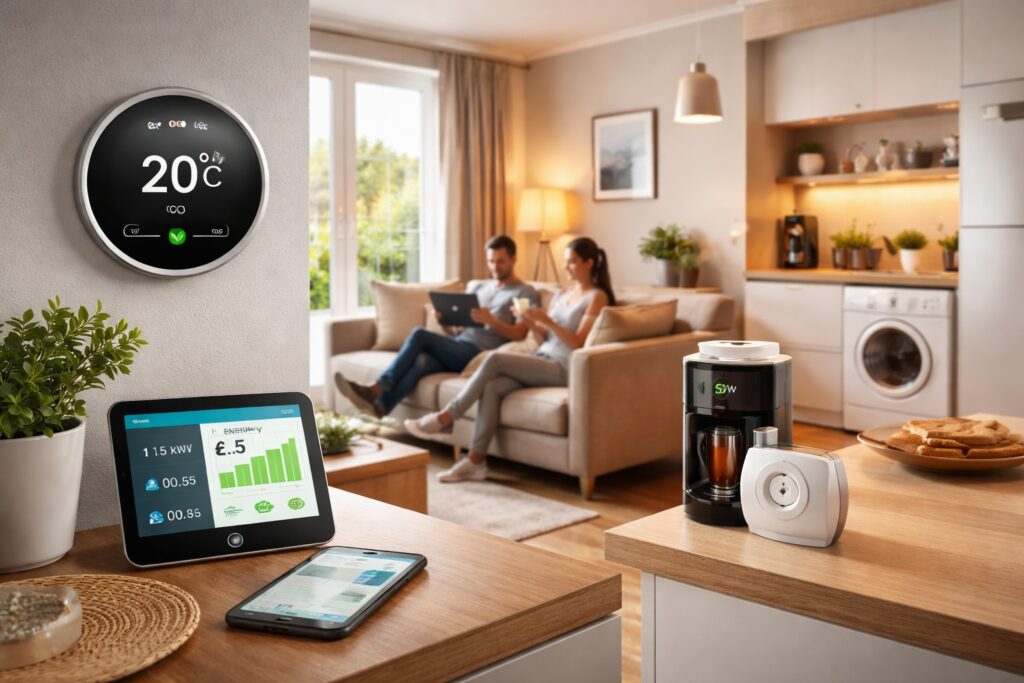
Where Most UK Homes Lose Energy Without Realising It
Many UK households lose a significant amount of energy without ever noticing. These losses rarely come from dramatic failures or outdated equipment, but from everyday situations that gradually increase consumption over time. Because they feel normal, they often go unchallenged.
Heating Running Longer Than Necessary
Heating is the most common source of hidden energy waste. Systems frequently stay on longer than needed, warm rooms that are not in use or maintain higher temperatures than required. Even short periods of unnecessary heating, repeated daily, can have a noticeable impact on overall energy use.
Poor Scheduling and Manual Adjustments
Fixed schedules that no longer reflect how a home is used can quietly drive up energy consumption. When routines change, heating often continues to follow outdated patterns, leading to wasted energy during unoccupied periods. Manual adjustments can help, but they are easy to forget and inconsistent over time.
Lack of Visibility Into Energy Usage
Without clear insight into when and how energy is being used, it becomes difficult to identify inefficiencies. Many households only notice a problem when energy bills rise, by which point waste has already accumulated. Systems that provide better visibility help reveal where small changes can make a meaningful difference.

Why Heating Control Is the Fastest Way to Improve Efficiency
For many UK households, heating is the single biggest contributor to energy consumption, which makes it the most effective place to start improving efficiency. While insulation upgrades and system replacements can help, they often take time and investment. Improving how heating is controlled and managed usually delivers faster and more noticeable results.
Poor heating control leads to energy being used when it is not needed — rooms heated while empty, systems running longer than necessary or temperatures set higher than required. These inefficiencies are rarely obvious day to day, but they accumulate steadily over time. Better control helps align heating output with actual demand rather than assumptions.
One of the most effective ways to reduce waste is understanding how different control approaches affect everyday usage. Comparing smart thermostats and heating controllers highlights how visibility, scheduling and responsiveness influence energy efficiency in real homes. Systems that help users recognise inefficient patterns often lead to quicker behavioural changes than those relying solely on fixed routines.
Rather than focusing on replacing heating equipment, improving control allows households to make smarter decisions using what they already have. This makes heating management one of the fastest and most accessible ways to cut unnecessary energy use without disrupting daily life.
Small Behaviour Changes That Reduce Energy Waste
Improving home energy efficiency does not always require new equipment or complex systems. In many UK homes, some of the biggest gains come from small behavioural changes that reduce unnecessary energy use without affecting comfort.
Smarter Heating Schedules
Aligning heating schedules with real occupancy is one of the simplest ways to cut waste. Heating does not need to follow the same pattern every day, especially in homes with flexible routines. Delaying heating start times slightly or shortening heating periods in the evening can reduce energy use without noticeable impact on comfort.
Avoiding Unnecessary Overheating
Many households maintain higher temperatures than needed, particularly during mild weather. Lowering target temperatures by small increments and avoiding heating unused rooms can significantly reduce consumption over time. These changes often go unnoticed day to day but add up across an entire heating season.
Adjusting Heating to Occupancy
Heating based on assumptions rather than actual use is a common source of inefficiency. Being mindful of which rooms are occupied and when allows households to focus heating where it is needed most. Even without advanced systems, awareness and intentional adjustments can prevent energy from being wasted unnecessarily.
Consistent attention to these small behaviours often delivers more reliable savings than one-off changes, making them an essential part of improving overall energy efficiency.
Using Information to Make Better Energy Decisions
One of the biggest shifts in home energy efficiency comes from moving away from guesswork and towards informed decision-making. Many households rely on assumptions about when energy is used or which activities consume the most power. Without clear information, inefficiencies can persist unnoticed for long periods.
Having access to basic insights about energy usage helps households understand how daily actions affect overall consumption. Seeing when heating is active, how long it runs or how adjustments change usage patterns encourages more deliberate choices. This information makes it easier to spot trends, such as prolonged heating cycles or unnecessary usage during quieter periods of the day.
Better information also supports quicker responses. Instead of waiting for higher bills to signal a problem, households can react early by adjusting routines or settings. Over time, this leads to more consistent reductions in waste rather than reactive changes made too late.
Ultimately, energy efficiency improves fastest when households can connect cause and effect. Understanding how behaviour influences energy use turns small adjustments into lasting habits that reduce unnecessary consumption across the home.
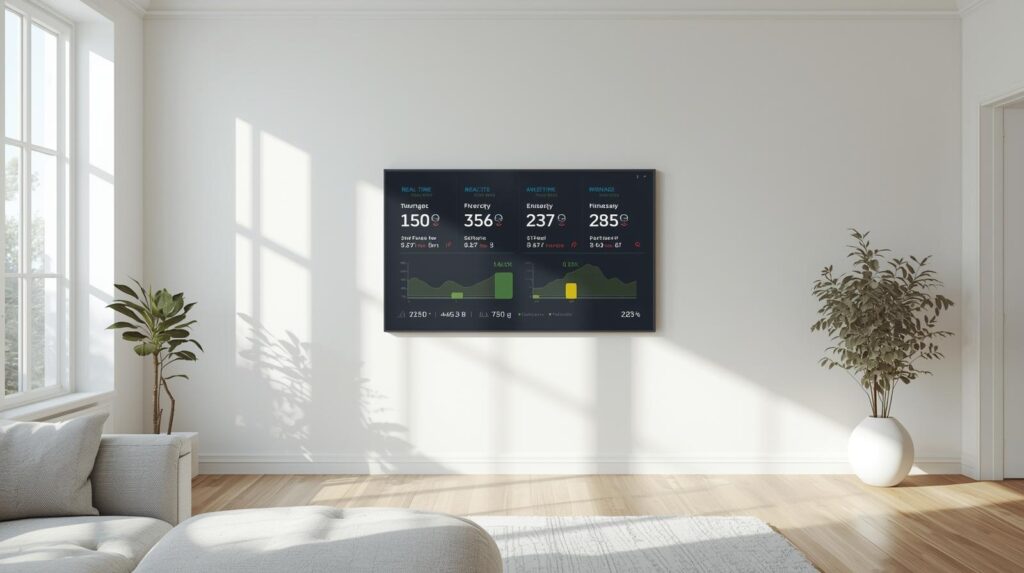
Home Energy Efficiency Is More Than Just Heating
While heating is the largest contributor to household energy use, it is only one part of a much broader efficiency picture. Many UK homes lose energy through everyday habits that, when combined, significantly increase overall consumption without delivering any real benefit.
Electricity Usage Habits
Small electrical devices running continuously can quietly add to energy waste. Leaving appliances on standby, charging devices longer than necessary or using inefficient lighting all contribute to higher consumption. Although each action seems minor, their combined impact over time can be substantial.
Daily Routines and Peak Usage
Energy demand often spikes at certain times of day, particularly in the mornings and evenings. Understanding when these peaks occur helps households spread usage more evenly and avoid unnecessary overlap between heating, cooking and appliance use. Even small adjustments to daily routines can reduce strain on household energy systems.
Incremental Improvements Over Time
Improving energy efficiency is rarely about a single dramatic change. Instead, it comes from a series of incremental improvements made consistently. When households focus on gradual optimisation rather than quick fixes, efficiency gains become more sustainable and easier to maintain long term.
Looking beyond heating allows households to build a more balanced and realistic approach to reducing energy waste across the entire home.

Building a Long-Term Home Energy Efficiency Strategy
Improving home energy efficiency is most effective when approached as a long-term strategy rather than a one-off fix. Short-term adjustments can reduce waste temporarily, but lasting results come from combining better control, informed decisions and consistent habits over time.
For many UK households, the first step is gaining awareness — understanding when energy is used, where it is wasted and how daily routines influence consumption. Once this becomes clear, it is easier to prioritise improvements that deliver real benefits without unnecessary complexity. Heating control often acts as the foundation, but efficiency gains grow when it is supported by smarter electricity use and routine adjustments.
Rather than focusing on isolated upgrades, households benefit from viewing energy use as a connected system. Small, intentional changes made consistently tend to outperform reactive decisions made only when bills rise. This approach supports gradual optimisation, allowing efficiency to improve without disrupting everyday life.
A structured home energy efficiency approach helps households move from short-term savings to sustainable reductions in energy waste, making efficiency a normal part of how the home operates rather than an occasional concern.

Frequently Asked Questions About Home Energy Efficiency
What is the easiest way to improve home energy efficiency in the UK?
The easiest way to improve home energy efficiency is to focus on how energy is used rather than replacing equipment. In many UK homes, heating runs longer than necessary or follows outdated schedules. Adjusting heating times to match real occupancy, avoiding unnecessary overheating and switching off unused appliances can reduce waste quickly. Gaining basic visibility into when energy is being consumed helps households make better decisions without major changes. These small, low-effort adjustments often deliver faster results than costly upgrades and can be implemented immediately as part of everyday routines.
Does better heating control really reduce energy waste?
Yes, better heating control can significantly reduce energy waste, especially when heating is the largest source of household consumption. Poor control often leads to heating empty rooms or maintaining higher temperatures than needed. Improving control helps align heating output with actual demand rather than assumptions. Whether through structured scheduling or more responsive adjustments, better control reduces unnecessary run time. Over time, this leads to lower overall consumption without sacrificing comfort, making heating control one of the most effective efficiency improvements available.
Can small changes really make a noticeable difference to energy bills?
Small changes may not feel impactful individually, but when applied consistently they can lead to noticeable reductions in energy use. Slightly shortening heating periods, lowering target temperatures or adjusting routines to avoid peak usage all contribute to reduced consumption. These changes often go unnoticed in daily life but accumulate across weeks and months. In many cases, households that focus on gradual improvements achieve more reliable savings than those relying on one-time adjustments made only when energy bills increase.
How long does it take to see improvements in home energy efficiency?
Improvements in home energy efficiency can begin almost immediately once behaviour changes are implemented. Reducing unnecessary heating or improving scheduling can lower energy use within days. Longer-term benefits become clearer over time as habits stabilise and routines adapt. Unlike structural upgrades, behavioural and control-based improvements do not require waiting periods. The key is consistency — households that maintain smarter energy habits tend to see steady improvements rather than sudden changes.