Best Portable Power Stations in the UK – Smart Buying Guide
Portable power stations have become an increasingly popular solution for people in the UK who need reliable, flexible access to electricity without relying on the grid. Whether you’re preparing for power outages at home, planning camping or van life trips, working off-grid, or simply looking for a dependable backup energy source, choosing the right portable power station can make a real difference in everyday use.
With so many models available on the UK market — varying in battery capacity, output power, charging speed, and battery chemistry — it’s easy to feel overwhelmed. Some portable power stations are designed for lightweight, occasional use such as charging devices while travelling, while others are powerful enough to support essential household appliances during power cuts or extended off-grid use. Understanding these differences is key to making a smart, cost-effective purchase.
At Smart Choice Adviser, we analyse and compare portable power stations based on real-world use cases, technical specifications, customer feedback, and overall value for money. Instead of relying solely on marketing claims, we focus on how each power station actually performs in practical situations — from emergency home backup and remote working to camping, travel, and everyday portable power needs.
In this buying guide, you’ll find a carefully selected list of portable power stations organised across different performance levels and budgets. This includes core recommendations, higher-performance profit picks, and strong alternative options, allowing you to quickly compare models and choose the solution that best matches your requirements. Each recommendation is supported by clear explanations to help you make a confident, informed decision.
This page contains affiliate links. We may earn a commission if you make a purchase through these links, at no extra cost to you.
Below, you’ll find a comparison of carefully selected portable power stations available in the UK, covering different power levels, sizes and budgets. The models are grouped into core recommendations, higher-performance options and strong alternatives, making it easier to compare real-world solutions.
If you’re unsure how much power you need or which features matter most, our Portable Power Stations Buying Guide explains how to choose the right option for camping, off-grid use and home backup in the UK.
Detailed Comparison of the 9 Best Portable Power Stations in the UK for Different Needs
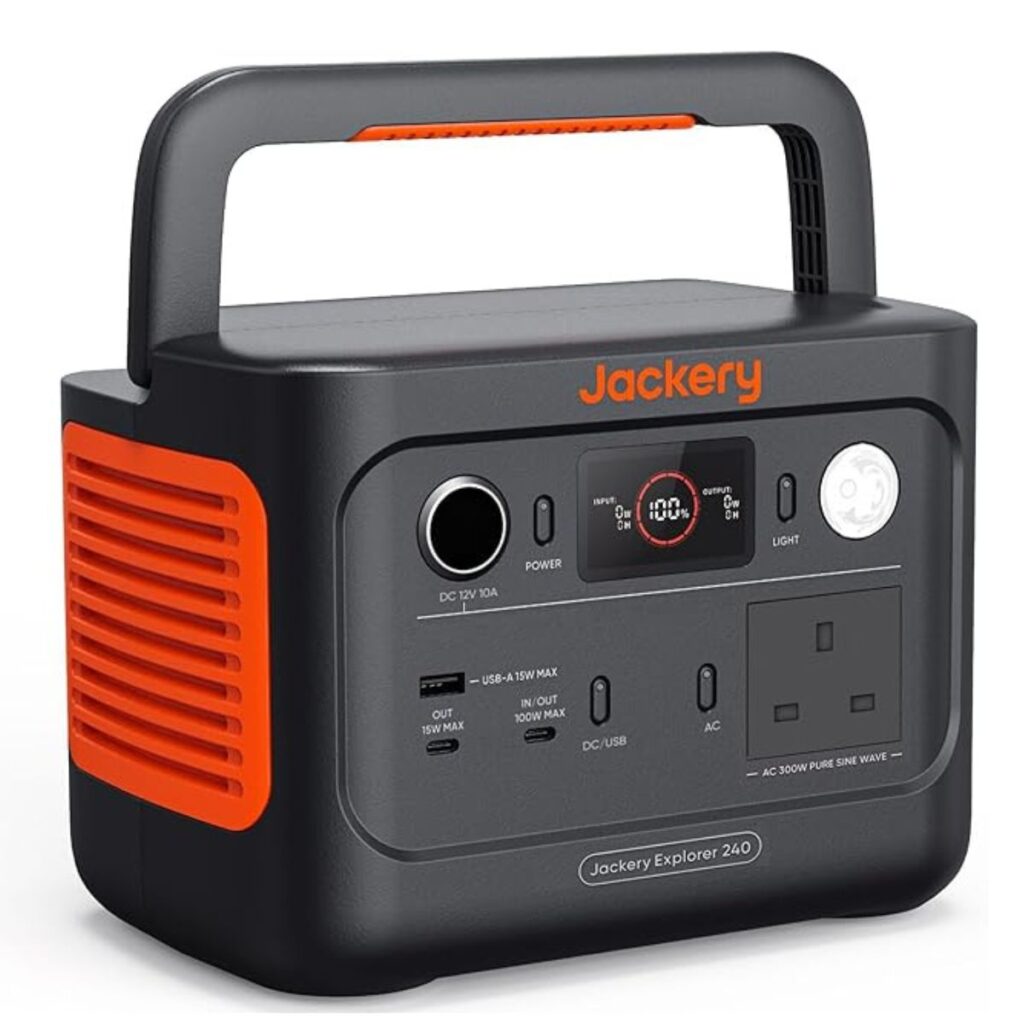
Jackery Explorer 240 v2 Portable Power Station
Best for camping, travel and light emergency backup
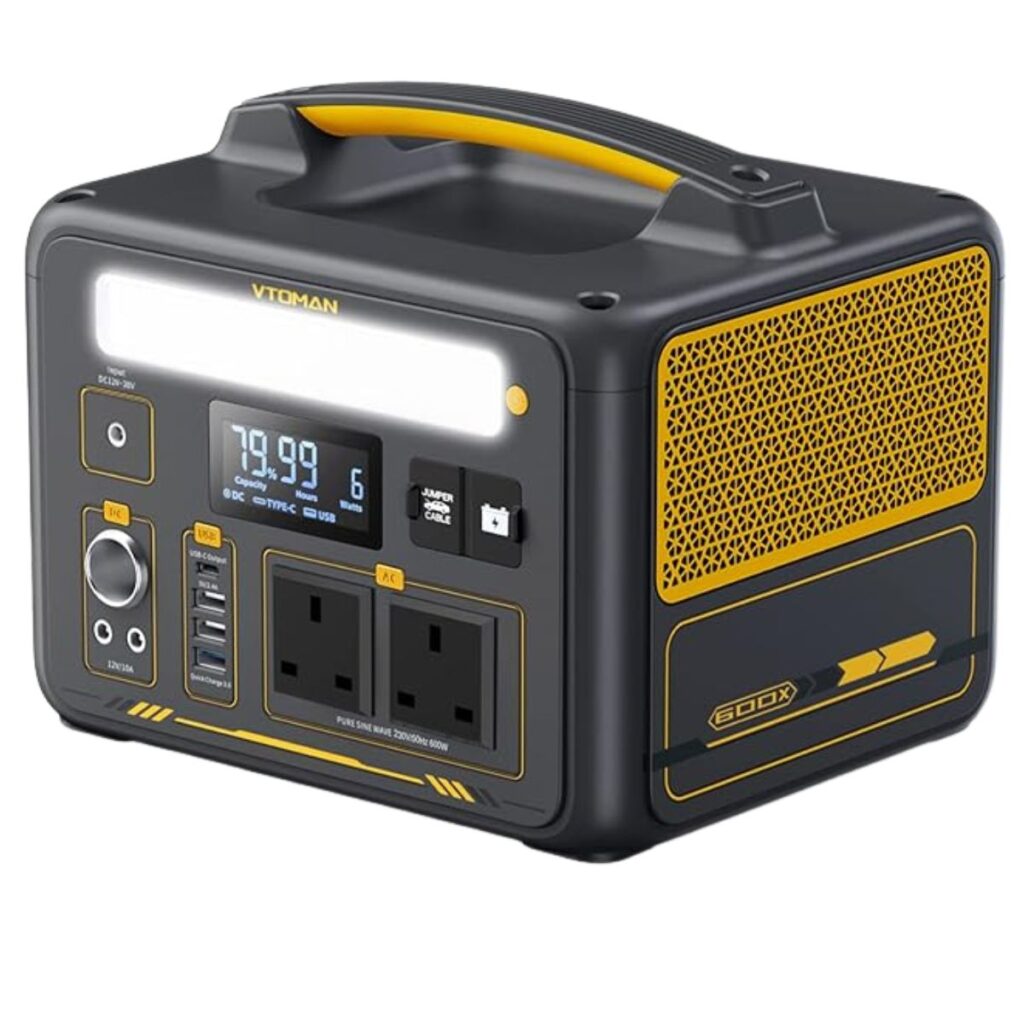
VTOMAN Jump 600X Portable Power Station
Best for camping, van life and reliable everyday backup power
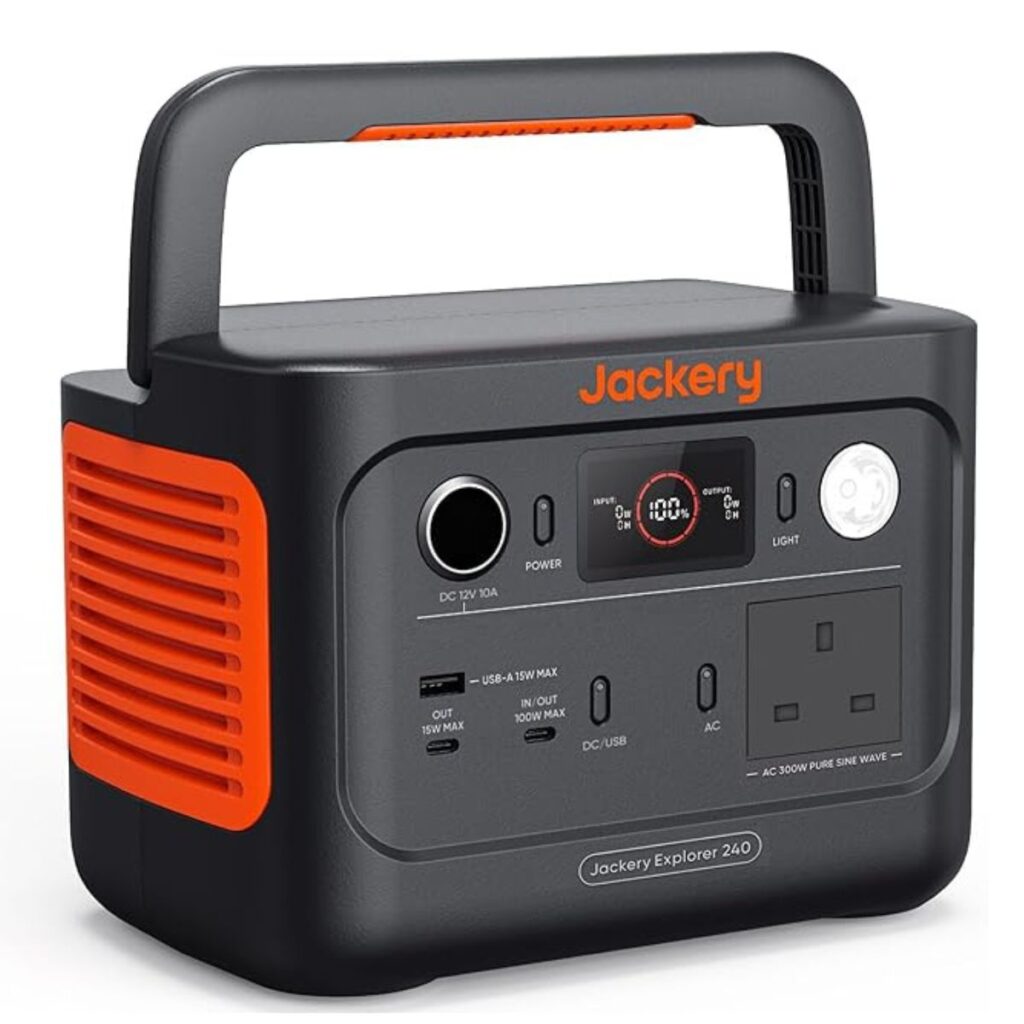
Jackery Explorer 1000 v2 Portable Power Station
Best all-round portable power station for home backup, travel and off-grid use
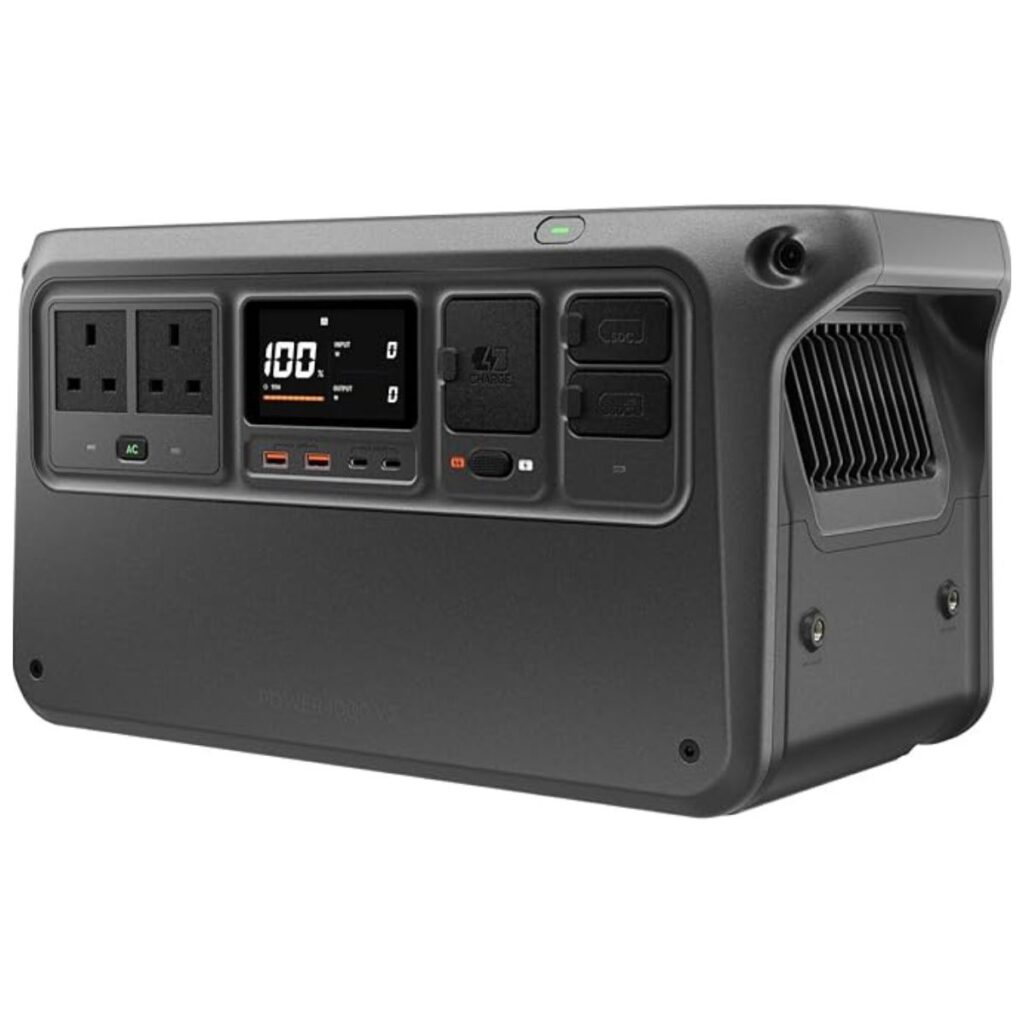
DJI Power 1000 V2 Portable Power Station
Best for high-performance home backup, fast charging and power-hungry devices
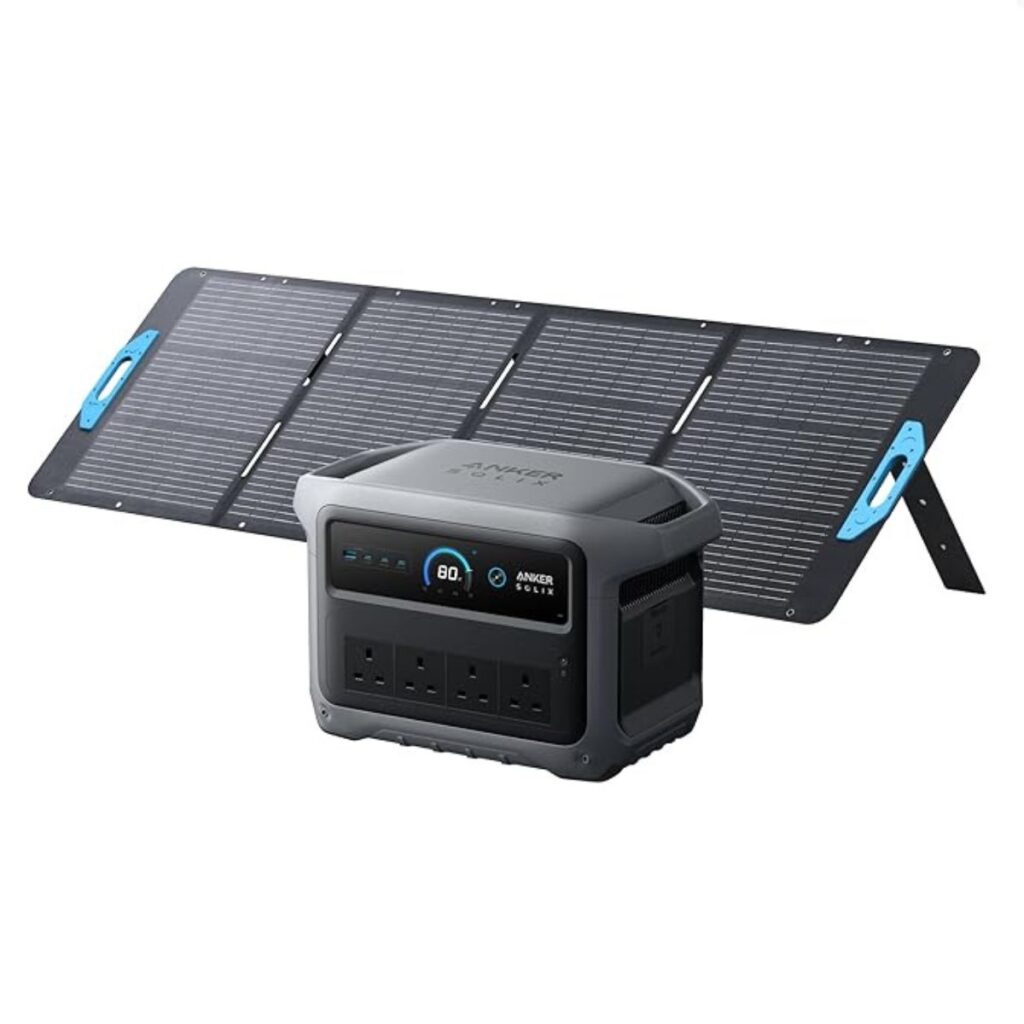
Anker SOLIX C1000 Gen 2 Portable Power Station
Best premium portable power station for fast charging, home backup and long-term reliability
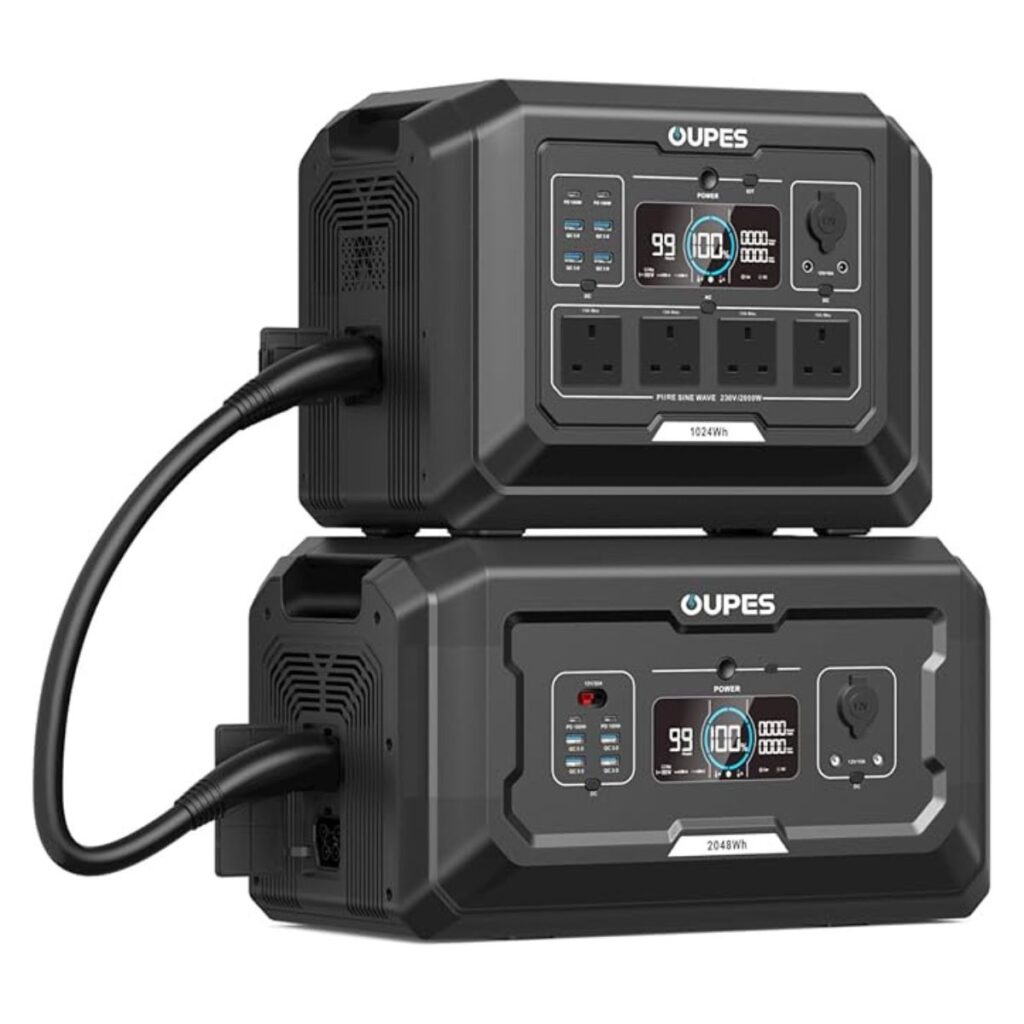
OUPES Mega 1 Portable Power Station
Best high-capacity portable power station for extended home backup, off-grid living and demanding power needs
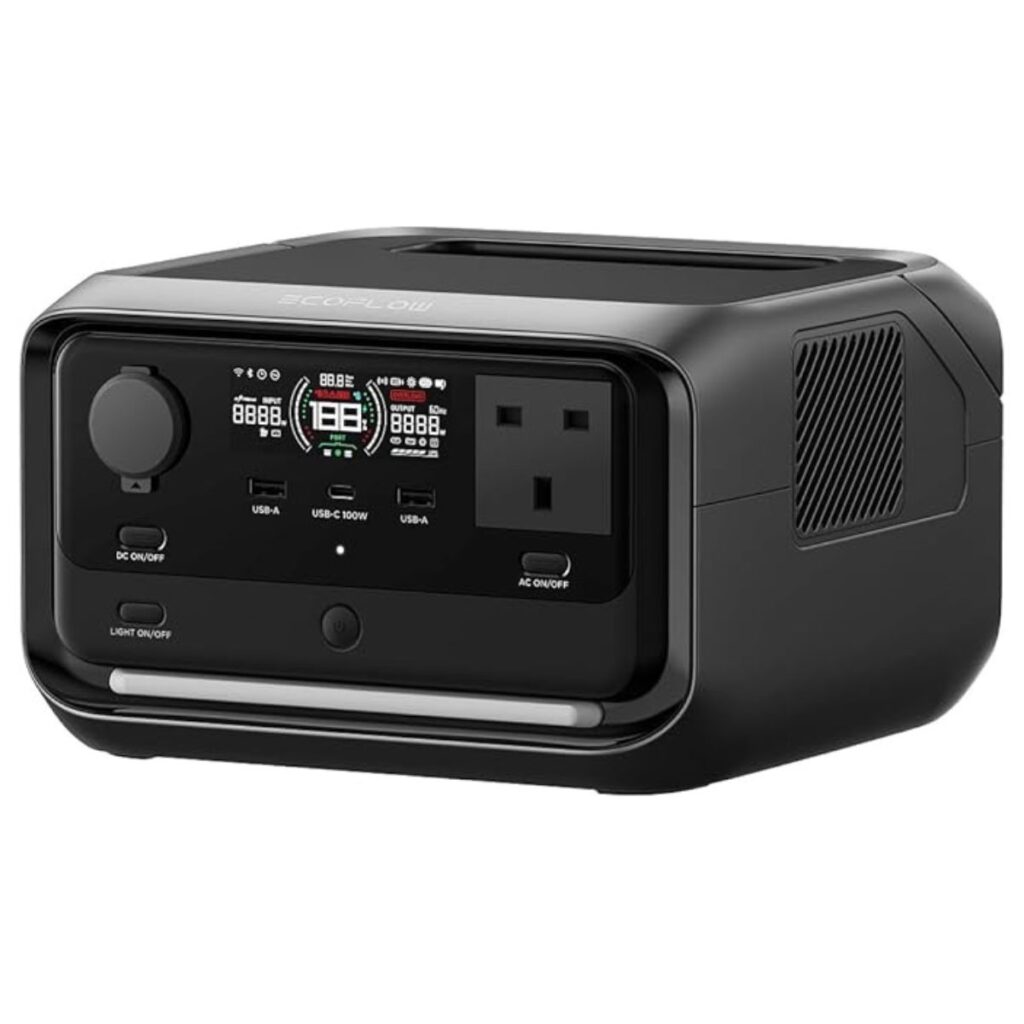
EcoFlow RIVER 3 Plus Portable Power Station
Best compact alternative for fast charging, travel and everyday portable power needs
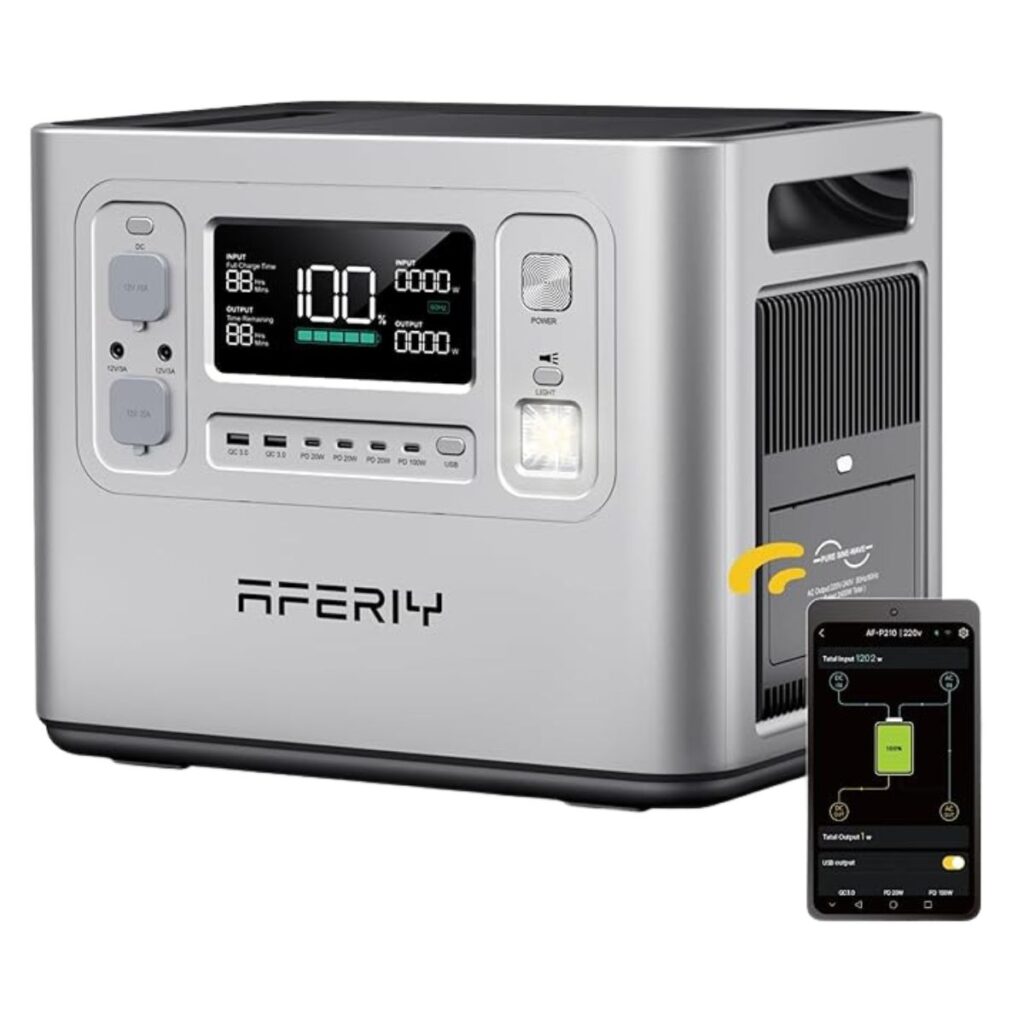
AFERIY 2400W Portable Power Station
Best high-output alternative for users who need near-premium performance at a more competitive price point
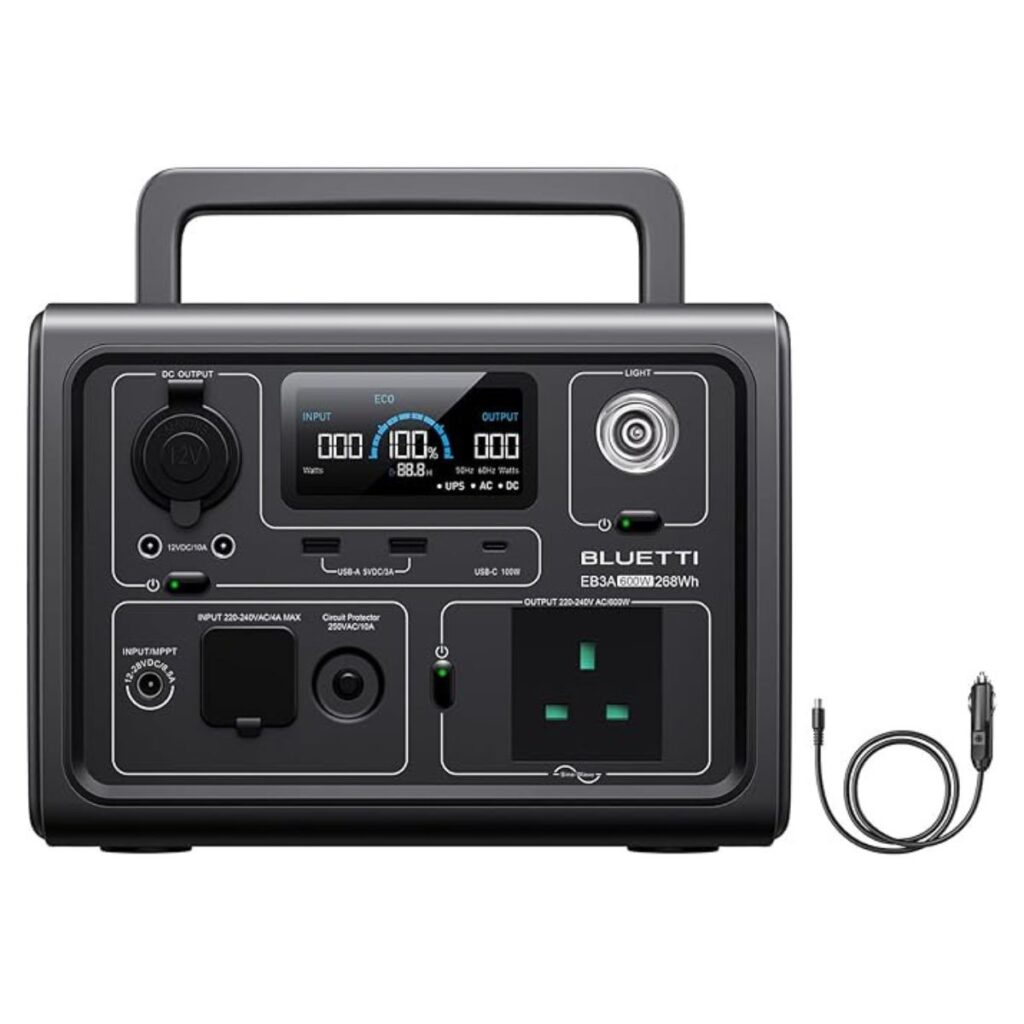
BLUETTI Portable Power Station EB3A
Best budget-friendly alternative for fast charging, lightweight portability and everyday essentials
Why Portable Power Stations Are Becoming Essential in the UK
Portable power stations are no longer niche products limited to campers or outdoor enthusiasts. In the UK, their popularity has grown rapidly as the way people live, work, and use electricity has changed. Homes now rely on multiple electronic devices at the same time, and uninterrupted access to power has become essential rather than optional.
From remote working and smart home systems to everyday electronics and appliances, even short power interruptions can cause disruption. Portable power stations offer a flexible, silent, and emission-free solution that fits modern energy needs without the drawbacks of traditional generators.
Power cuts, rising energy costs and energy independence
Power outages are becoming more noticeable across many parts of the UK, particularly during extreme weather conditions. Even brief interruptions can affect home offices, internet connectivity, heating controls, security systems, and essential appliances. A portable power station provides reliable backup power that bridges these gaps without noise, fumes, or complex installation.
At the same time, rising electricity prices have encouraged households to look for smarter ways to manage energy usage. Portable power stations can be charged during off-peak hours or combined with solar panels to reduce dependence on the grid. For many users, this means greater control over energy costs and improved resilience during outages.
Who benefits most from a portable power station
Portable power stations are suitable for a wide range of users and lifestyles. Homeowners benefit from dependable emergency backup, while renters value the flexibility of a system that requires no permanent installation. Remote workers can stay productive during outages, and campers or van-life users gain a quiet, reliable power source away from the grid.
Small businesses, tradespeople, and mobile professionals also increasingly rely on portable power stations to run tools, charge equipment, and maintain operations on site. This versatility makes them a practical investment across both residential and professional use cases.
How to choose the right portable power station for your needs
Choosing the right portable power station depends on how you plan to use it. Key factors include battery capacity (Wh), output power (W), charging methods, portability, and whether the unit is intended for occasional backup or extended off-grid use.
Some models are designed for lightweight, short-term needs, while others are powerful enough to support essential household appliances for hours or even days. Below, we compare the best portable power stations in the UK across different categories to help you choose the most suitable option with confidence.
How to Choose the Right Portable Power Station for Your Needs
Selecting the right portable power station involves more than simply choosing the largest battery or the lowest price. The best option depends on how the unit will be used, which devices it needs to power, and how often it will be charged and discharged in real-world conditions.
Understanding these factors early helps avoid buying a model that is either underpowered for your needs or unnecessarily large and expensive.
Battery capacity and output power explained
Battery capacity determines how long a portable power station can run connected devices, while output power defines what it can run at all. Lower-capacity models are well suited for smartphones, laptops, lighting, and small electronics, whereas higher-capacity units can support appliances such as fridges, routers, medical devices, or power tools.
Choosing the right balance is crucial. A power station should comfortably handle your typical devices without operating at its limits, which improves efficiency, safety, and long-term reliability. Overestimating capacity often leads to unnecessary cost and weight, while underestimating it can cause frustration and limited usability.
Charging options and portability
Charging flexibility is another key consideration when choosing a portable power station. Most modern models support charging from wall outlets, vehicle sockets, and compatible solar panels, allowing them to adapt to both indoor and outdoor use.
Faster charging times significantly improve day-to-day convenience, especially for users who rely on their power station regularly rather than occasionally. Portability also matters — weight, handle design, and overall size can make a noticeable difference for users who transport the unit frequently.
This is particularly important for UK users who depend on car charging, campsite hookups, or limited daylight conditions for solar recharging.
Noise levels, safety and long-term reliability
One of the biggest advantages of portable power stations compared to traditional fuel generators is their near-silent operation. This makes them suitable for indoor use, campsites, camper vans, and residential environments where noise and emissions are not acceptable.
For safe and long-term use, built-in protections such as temperature control, overload protection, short-circuit prevention, and advanced battery management systems play a critical role. These features protect both the power station itself and the devices connected to it during repeated charging and discharging cycles.
When assessing overall reliability, it is important to look beyond headline specifications. Manufacturer reputation, warranty coverage, real-world user feedback, and long-term performance reports provide a far more accurate picture of how a portable power station will perform over time.
Detailed Comparison of the Best Portable Power Stations
When comparing portable power stations, it’s important to focus on real-world performance rather than headline specifications alone. Factors such as battery chemistry, inverter quality, charging efficiency, and thermal management have a direct impact on everyday usability, reliability, and long-term value.
On paper, many models may appear similar, but in practice their performance can differ significantly depending on how they handle sustained loads, recharge under real conditions, and manage heat during continuous use. These details often determine whether a power station feels dependable or frustrating over time.
Some models are designed primarily for portability and occasional use, while others prioritise higher capacity, faster charging, and sustained output for more demanding scenarios such as home backup or off-grid work. Rather than ranking products based purely on popularity or brand recognition, this comparison focuses on how well each option aligns with specific use cases and realistic expectations.
By comparing entry-level, mid-range, premium, and alternative models side by side, it becomes easier to identify which portable power stations genuinely offer the best balance of performance, practicality, and value for different needs.
Which Portable Power Station Offers the Best Value for Money?
Value for money does not necessarily mean choosing the cheapest option. A well-balanced portable power station should offer dependable real-world performance, realistic battery capacity, solid build quality, and a feature set that genuinely matches how it will be used — without paying extra for features that add little practical value.
The best choice depends on whether the unit is intended for occasional emergency backup, everyday portable use, or more demanding power requirements over longer periods.
Best entry-level portable power station for occasional use
Entry-level models are ideal for users who need backup power from time to time or for lightweight outdoor activities such as camping, festivals, or short trips. These units are typically more affordable, compact, and easy to operate, making them a sensible starting point for first-time buyers.
They are best suited for charging phones, tablets, cameras, lighting, and other low-power devices where portability, simplicity, and convenience matter more than maximum output or extended runtime.
Best all-round portable power station for most households
Mid-range portable power stations often offer the strongest balance between capacity, output, and price. These models are versatile enough to handle a wide range of everyday scenarios, including home backup during short power cuts, remote working, travel, and recreational use.
For many users, this category represents the most practical long-term investment, delivering dependable performance without the size, weight, or cost associated with high-capacity premium systems.
Premium portable power station for demanding users
Premium models are designed for users with higher power demands or extended usage requirements. While more expensive, they typically provide greater output capacity, longer runtimes, improved inverter performance, and faster or more flexible charging options.
These units are better suited for powering larger appliances, running multiple devices simultaneously, or for users who rely on portable power as a core part of their setup rather than an occasional backup solution.
Are There Better Alternatives for Specific Use Cases?
While portable power stations are highly versatile, certain scenarios benefit from more specialised features or different design priorities. Understanding these distinctions helps narrow down the most suitable solution and avoids choosing a model that is either overpowered or under-specified for the intended use.
Not every user needs maximum capacity or advanced features. Matching a portable power station to the actual use case is key to long-term satisfaction, efficiency, and overall value for money.
Lightweight portable power stations for travel and camping
For users who prioritise portability, compact models with lower to mid-range capacity often provide the best overall experience. These units are easier to transport, quicker to set up, and more practical for short trips, camping, festivals, camper vans, or mobile work where space and weight matter.
Lightweight portable power stations are typically optimised for charging personal electronics, lighting, cameras, drones, and small accessories. They are a sensible choice when convenience, simplicity, and mobility outweigh the need for long runtimes or high output power.
Higher-capacity power stations for extended home backup
Users who require longer backup durations or the ability to run essential household appliances should focus on higher-capacity portable power stations. These models are designed to sustain multiple devices over extended periods and usually support higher output loads, better inverter performance, and more flexible charging options.
Such units are better suited for emergency preparedness, longer power outages, or semi off-grid setups where reliability and endurance take priority over portability and compact size.
Portable Power Stations – Frequently Asked Questions
Are portable power stations safe to use indoors?
Yes, portable power stations are generally safe for indoor use because they do not rely on combustion or fuel burning. Unlike traditional generators, they produce no exhaust fumes, carbon monoxide, or strong odours. This makes them suitable for use inside homes, flats, caravans, and enclosed spaces.
Safe operation still depends on proper ventilation around the unit, correct cable management, and avoiding overload. Users should always follow manufacturer guidelines regarding temperature limits and charging conditions. When used as intended, portable power stations are among the safest backup power solutions available.
How long can a portable power station run household devices?
Runtime depends on the battery capacity (measured in watt-hours), the power draw of connected devices, and how efficiently the power station manages energy. Smaller units may run essential electronics such as phones, routers, or lighting for several hours, while higher-capacity models can support appliances like fridges or medical devices for much longer periods.
Real-world runtime is always shorter than theoretical estimates, so choosing a power station with some headroom helps ensure reliable performance during unexpected outages.
Can a portable power station replace a traditional generator?
Portable power stations can replace fuel generators for many use cases, especially where quiet operation, indoor safety, and low maintenance are important. They are ideal for home backup during short power cuts, camping, travel, and off-grid work where noise and emissions are not acceptable.
However, for extremely high power demands or continuous multi-day usage without recharging options, traditional generators may still be more suitable. For most households and everyday scenarios, a portable power station is the more practical and user-friendly option.
What can you realistically power with a portable power station?
Portable power stations are best suited for electronics and appliances with predictable, moderate power requirements. Common use cases include charging smartphones, tablets, laptops, cameras, routers, lighting, and small kitchen or medical devices.
Higher-capacity models can power fridges, TVs, or power tools for limited periods, while compact models focus on essentials. Heat-based appliances such as kettles, heaters, or ovens usually require very high output and are not suitable for most portable power stations.
Are portable power stations suitable for camping and outdoor use?
Yes, portable power stations are widely used for camping, festivals, camper vans, and outdoor work. They provide silent, emission-free power and can often be recharged via car sockets or compatible solar panels, making them well suited for off-grid environments.
For outdoor use, portability, weight, and charging flexibility are especially important. Compact models are easier to transport, while larger units offer longer runtimes for extended stays.
How are portable power stations charged?
Most portable power stations support multiple charging methods, including wall outlets, vehicle sockets, and solar panel input. Wall charging is typically the fastest and most convenient option, while car charging allows gradual top-ups during travel.
Solar charging adds flexibility for off-grid use but depends on weather conditions and daylight hours. Having multiple charging options ensures the power station remains usable across different scenarios.
Do portable power stations require regular maintenance?
Portable power stations require very little maintenance compared to fuel-based generators. There is no oil to change, no fuel to store, and no engine servicing required.
To maximise lifespan, it is recommended to keep the battery within manufacturer-recommended charge levels, avoid extreme temperatures, and recharge the unit periodically if it is stored for long periods without use.
What size portable power station do most users need?
The ideal size depends on how the power station will be used. Users who need occasional backup or portable charging for electronics can choose smaller, lightweight models. Those planning to power household appliances or work off-grid for longer periods should consider mid-range or higher-capacity units.
Choosing a power station that comfortably covers typical usage — rather than pushing its limits — results in better efficiency, longer lifespan, and a more reliable overall experience.
How Portable Power Stations Fit into a Smarter, More Resilient Home
Portable power stations rarely exist in isolation. In real UK homes, they are often part of a broader approach to comfort, resilience and everyday problem-solving — particularly during colder months, unstable weather or temporary disruptions to mains electricity. How efficiently energy is used and how heating systems are managed both influence how effective portable backup solutions are in practice.
For many households, portable power stations provide flexible support when fixed power sources are unavailable or unreliable. Power cuts, planned maintenance or local outages can affect heating controls, ventilation systems and everyday electrical devices. In these situations, having access to portable energy allows households to maintain basic functionality, support essential systems and reduce disruption without relying on permanent installations. Our Emergency Power guides focus on practical backup solutions designed specifically for these short- and medium-term outages.
Portable power solutions are closely linked with Home Energy Efficiency, as homes that manage energy more effectively are better able to prioritise essential devices during outages. Efficient energy use reduces unnecessary load, allowing portable power stations to run critical systems — such as heating controls, circulation devices or monitoring equipment — for longer periods and with greater reliability.
Heating is another key factor when using portable energy. Well-designed Heating Solutions help maintain indoor comfort while minimising power demand, making it easier for portable power stations to support essential heating-related functions during interruptions. Managing heating efficiently reduces the risk of sudden temperature drops, condensation and secondary moisture issues when mains electricity is unavailable.
At the same time, maintaining indoor comfort involves more than simply keeping devices powered. Home Air Quality plays an important role in how comfortable and usable a living space feels, particularly when ventilation is reduced or heating systems are disrupted. Stale air, rising humidity and reduced airflow are common issues during colder periods or power interruptions, especially in well-insulated UK homes. Ensuring continuity for key air quality devices helps maintain more stable indoor conditions when homes are under additional strain.
Managing indoor conditions also means addressing moisture and humidity. During periods of reduced heating or airflow, excess moisture can build up, leading to condensation and damp — especially in winter. Effective humidity management plays an important role in protecting living spaces and maintaining balanced indoor air quality. Our Dehumidifiers buying guides explore practical solutions for managing moisture in everyday UK conditions, complementing portable energy setups when homes are under additional pressure.
By viewing portable power stations as part of a connected home strategy — alongside Home Energy Efficiency, Heating Solutions, emergency power planning, moisture control and wider air quality considerations — it becomes easier to build a setup that supports comfort, reliability and long-term resilience throughout the year, rather than reacting to power or environmental issues only when they arise.
Choosing the right portable power station ultimately comes down to understanding your priorities and realistic usage needs. Whether you’re preparing for unexpected power outages, planning off-grid trips, or looking for a flexible everyday backup solution, selecting the right balance of capacity, output, and portability makes a meaningful difference.
By focusing on real-world performance, safety, and long-term reliability — rather than marketing claims alone — it becomes far easier to choose a portable power station that genuinely fits both your budget and your lifestyle. A well-matched model not only delivers better performance day to day, but also provides peace of mind when reliable power matters most.