
Running a dehumidifier is one of the most effective ways to control condensation, reduce damp and improve indoor air quality in UK homes. However, one of the most common questions people ask before buying is simple: how much does it actually cost to run a dehumidifier on a daily basis?
Electricity prices in the UK have increased significantly in recent years, making energy efficiency more important than ever. While dehumidifiers are generally considered low to moderate energy appliances, the real cost depends on factors such as capacity, usage time and humidity levels in your home.
In this guide, we break down the real running costs of a dehumidifier in the UK, including electricity usage for 10L, 12L and 20L models, realistic monthly estimates and practical tips to reduce energy consumption without sacrificing performance.
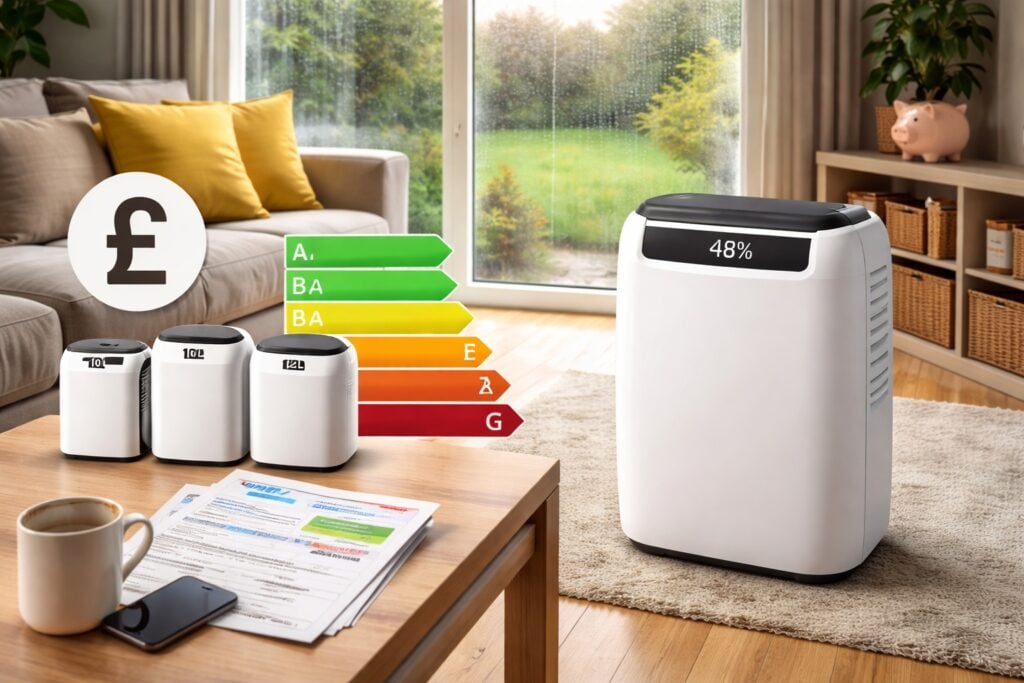
How Much Does It Cost to Run a Dehumidifier in the UK?
The cost of running a dehumidifier in the UK depends on several key factors, including the size of the unit, how long it runs each day and the current electricity price per kWh. While many people assume dehumidifiers are expensive to operate, most models are actually relatively efficient when used correctly.
A typical dehumidifier running cost in the UK is based on its power consumption, which usually ranges between 200W and 500W depending on the capacity. Smaller models designed for bedrooms and small rooms tend to sit at the lower end, while larger units built for whole-home moisture control will naturally use more energy.
In real terms, this means that running a dehumidifier for a few hours per day will generally cost only a small amount compared to heating systems or other high-energy appliances. The key is choosing the right capacity for your space, as an oversized unit can increase electricity usage without delivering additional benefits.
Running cost is not only about wattage. Choosing the right capacity also matters, so our guide to the most energy efficient dehumidifier size explains when mini, 10L, 12L and 20L models make the most sense for UK homes.
For most UK households dealing with condensation, damp air or indoor laundry drying, a well-matched dehumidifier offers a practical balance between performance and cost. When used efficiently, it can significantly improve comfort while keeping energy usage at a manageable level.
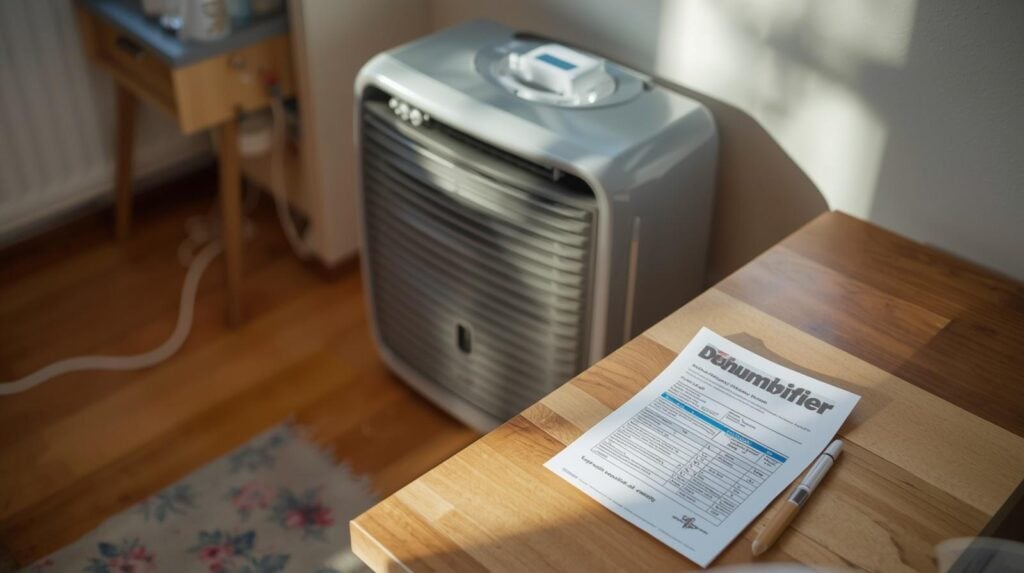
Average Electricity Usage of a Dehumidifier (10L, 12L, 20L)
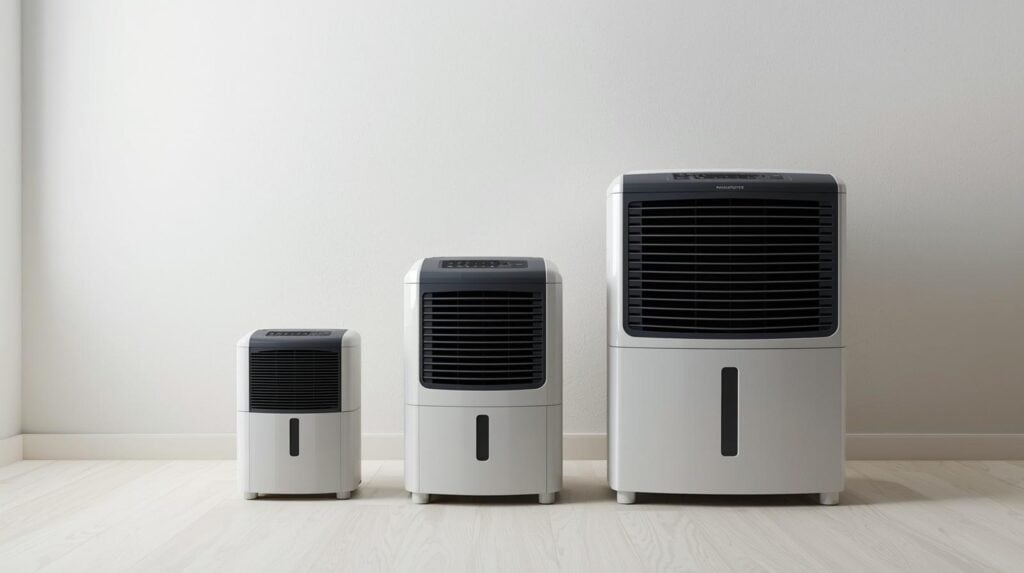
Understanding how much electricity a dehumidifier uses is key to estimating its real running cost. In the UK, most household dehumidifiers fall into three main categories based on capacity: 10L, 12L and 20L models, each with different power requirements and usage patterns.
A typical 10 litre dehumidifier usually consumes around 200–250 watts per hour. These models are designed for small rooms, bedrooms and everyday moisture control, making them one of the most energy-efficient options for regular use.
A 12L dehumidifier generally operates in a similar range, often between 200W and 300W depending on the model and features. This makes it a popular middle-ground choice for small flats, home offices and areas where slightly higher moisture extraction is needed without a big increase in energy usage.
Larger units, such as 20L dehumidifiers, typically use between 400W and 500W per hour. While they consume more electricity, they are designed to remove moisture faster and cover larger spaces. In some cases, this can actually reduce overall running time, especially in rooms with higher humidity levels.
The key takeaway is that electricity usage increases with capacity, but so does performance. Choosing the right size dehumidifier ensures that the unit can operate efficiently without running longer than necessary, which is one of the most important factors in controlling energy costs.
Real Monthly Cost of Running a Dehumidifier in the UK
Looking at wattage alone does not always make it easy to understand the real running cost of a dehumidifier in the UK. A more practical approach is to estimate what a dehumidifier may cost over a full month based on typical daily use.
For example, a 10L dehumidifier using around 200–250W and running for 4 to 6 hours per day will usually cost only a modest amount per month under normal UK conditions. This makes it one of the most cost-effective options for bedrooms, box rooms and smaller flats where condensation and damp air need to be managed regularly.
A 12L dehumidifier tends to sit in a similar cost bracket, although real monthly usage may be slightly higher depending on the humidity level and how often the unit cycles on and off. For many homes, this category offers a strong balance between moisture extraction and electricity usage.
A 20L dehumidifier will usually cost more to run because it draws more power, but it can also remove moisture much faster. In larger rooms or homes with more severe humidity problems, this higher extraction rate may shorten operating time and help offset some of the extra electricity use. In smaller rooms, however, a larger unit may simply consume more energy than necessary.
The actual monthly cost always depends on three things: the power rating of the appliance, the number of hours it runs each day and your electricity tariff. Features such as automatic humidity control, timer settings and auto shut-off can make a noticeable difference, because they prevent the unit from running longer than needed.
In practical terms, a dehumidifier is usually far cheaper to run than many people expect, especially when compared with the cost of ongoing damp problems, mould damage or constantly adjusting heating and ventilation to manage excess moisture.
What Affects Dehumidifier Running Costs?
The running cost of a dehumidifier is not determined by wattage alone. In real UK homes, several different factors influence how much electricity the appliance uses over time, and understanding them can help you reduce costs without sacrificing performance.
The first factor is room size. A dehumidifier that is too small for the space may need to run continuously to keep humidity under control, which increases energy usage. On the other hand, a unit that is too large for a small bedroom or compact flat may consume more electricity than necessary. Matching the capacity of the dehumidifier to the room is one of the most important ways to keep running costs reasonable.
The second factor is humidity level. In rooms with heavy condensation, damp walls or regular indoor laundry drying, a dehumidifier will naturally need to work harder and for longer periods. This means that two households using the same model can have very different electricity costs depending on how much moisture is present in the air.
Another important factor is how the appliance is used. A dehumidifier placed in the wrong location, with doors or windows left open, may have to run much longer than necessary. Features such as auto mode, target humidity settings and timer functions help reduce wasted electricity by allowing the unit to operate only when it is actually needed.
The design of the appliance also matters. Some models are simply more efficient than others, even if they offer similar extraction capacity. This is why an energy efficient dehumidifier can make a noticeable difference over time, especially in homes where the unit is used daily during colder or wetter months.
Finally, electricity tariffs affect the total monthly cost. Even if a dehumidifier uses a modest amount of power, households on higher tariffs will naturally pay more. Because of this, the smartest way to reduce costs is not just to look at the appliance itself, but to combine the right model with efficient usage habits and realistic operating times.
For readers dealing specifically with window moisture and damp rooms, our guide to the best dehumidifier for condensation in the UK explains which models are most suitable for this type of problem.
If you are choosing between price and long-term efficiency, our guide to the best budget dehumidifier in the UK helps you compare low-cost models based on real performance.
Which Dehumidifiers Are Cheapest to Run?
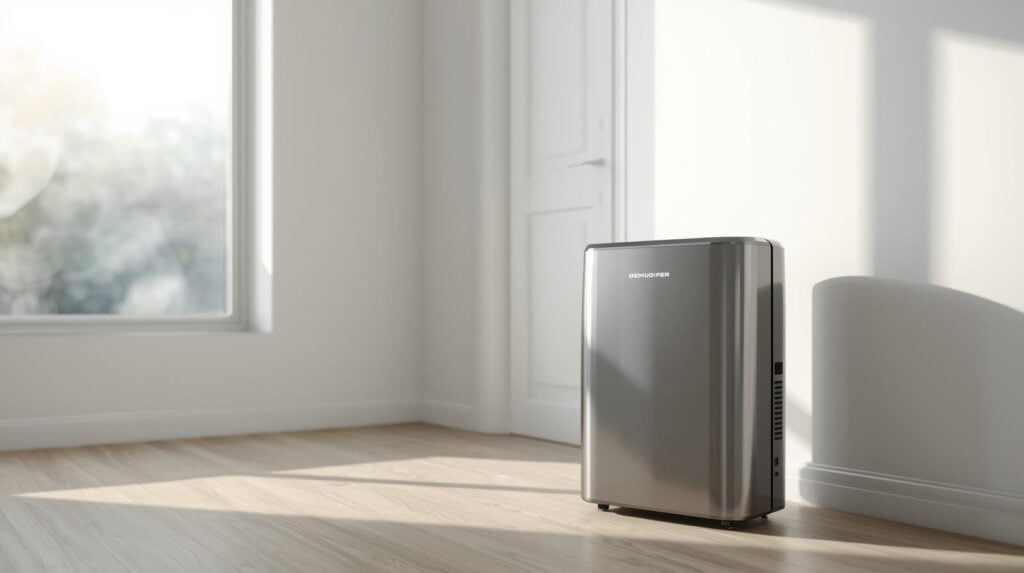
The cheapest dehumidifier to run is not always the smallest model or the one with the lowest advertised wattage. In practice, the most cost-effective option is the dehumidifier that matches your room size and humidity level closely enough to remove moisture efficiently without running longer than necessary.
Different capacities suit different environments, which is why it helps to compare 10L, 12L and 20L dehumidifiers separately rather than assuming one category is always cheaper than another.
10L Dehumidifiers – Usually Cheapest for Small Rooms
For bedrooms, box rooms and compact flats, 10L dehumidifiers are often the cheapest to run. They are designed for smaller spaces and usually consume less electricity per hour than larger models, which makes them one of the most practical options for everyday condensation control.
When a 10 litre dehumidifier is matched to the right room size, it can deliver efficient moisture removal without long operating times. This helps keep electricity usage low while still improving comfort and reducing damp air. In many UK homes, this is the best balance between affordability and performance.
If you are choosing a compact model mainly for bedrooms or small living spaces, our guide to best 10L dehumidifiers for small rooms in the UK explains which options offer the best mix of efficiency, coverage and value.
12L Dehumidifiers – A Strong Middle Ground
12L dehumidifiers are often a strong middle-ground choice for users who need slightly more extraction power without stepping up to a larger 20L unit. In many homes, they offer running costs that remain close to 10L models while providing faster moisture removal in rooms with more persistent humidity.
This makes them particularly suitable for small flats, home offices and rooms where laundry is dried indoors. For many households, a 12 litre dehumidifier gives a practical combination of electricity efficiency and stronger everyday performance without becoming too expensive to run.
20L Dehumidifiers – More Expensive Per Hour, but Not Always Overall
20L dehumidifiers tend to use more electricity per hour, so they are not usually the cheapest option for small rooms. However, they can still be cost-effective in larger spaces or homes with more serious damp problems because they remove moisture faster and may not need to run for as long overall.
In the right environment, a larger dehumidifier can sometimes reduce total operating time enough to make its monthly running cost more reasonable than expected. Even so, for most small and medium UK rooms, a 20L unit is only worth the extra energy use when the humidity problem is severe enough to justify the higher capacity.
If your main priority is efficiency, our guide to low energy dehumidifiers in the UK compares the models that offer the best balance between extraction power and running cost.
Tips to Reduce Dehumidifier Electricity Costs
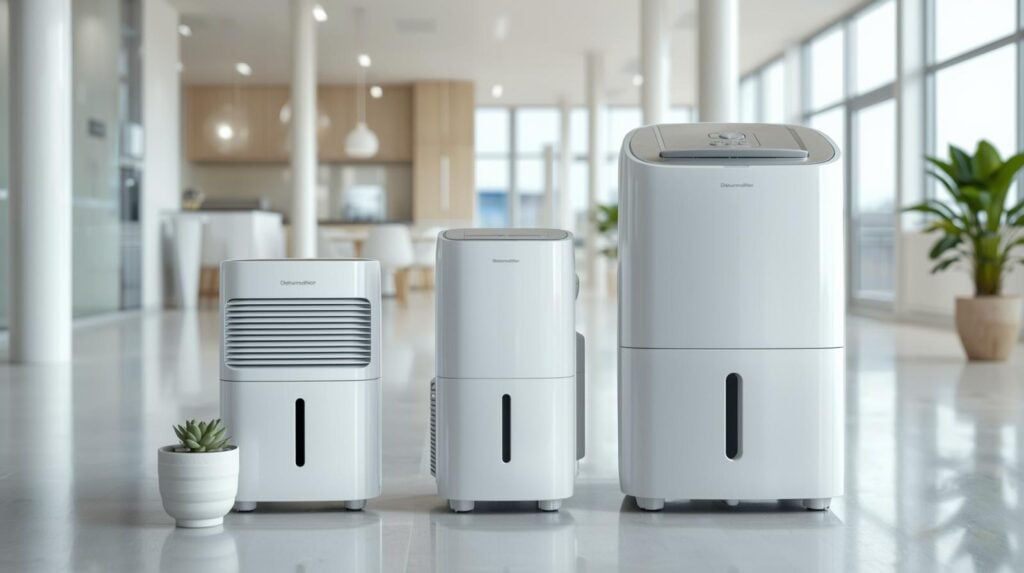
While dehumidifiers are generally affordable to run, there are several simple ways to reduce electricity costs even further without sacrificing performance. Small changes in how you use the appliance can make a noticeable difference over time, especially during colder and wetter months in the UK.
One of the most effective steps is to choose the right capacity for your space. A dehumidifier that is too small will run continuously, while a unit that is too large may consume more power than necessary. Matching the model to the room size ensures efficient operation and lower energy usage.
It is also important to keep doors and windows closed while the dehumidifier is running. Allowing outside air to enter the room forces the unit to work harder and longer, increasing electricity consumption without improving results.
Using features such as auto mode and humidity control can significantly reduce running costs. Instead of operating constantly, the dehumidifier will switch off once the desired humidity level is reached and only turn back on when needed. This prevents unnecessary energy use and helps maintain a stable indoor environment.
Another simple but effective tip is to run the dehumidifier during the most humid periods of the day, such as after showers or when drying clothes indoors. This allows the appliance to remove moisture more efficiently rather than running for extended periods with minimal impact.
Finally, regular maintenance also plays a role in efficiency. Keeping filters clean and ensuring proper airflow helps the unit perform at its best, reducing the amount of time it needs to run and lowering overall electricity usage.
Is a Dehumidifier Expensive to Run Compared to Heating?
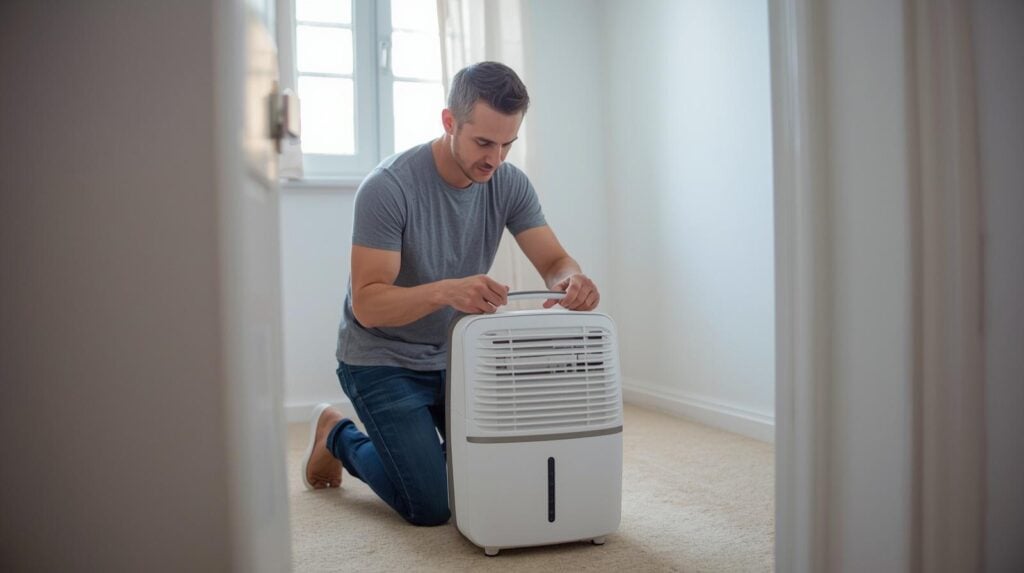
One of the most common concerns is whether a dehumidifier is expensive to run compared to heating systems. In reality, the answer is usually no. A dehumidifier typically uses far less electricity than most forms of heating, especially electric heaters or oil-filled radiators.
While a standard electric heater can consume between 1000W and 2500W per hour, most household dehumidifiers operate within a much lower range, usually between 200W and 500W depending on the model. This means that even when running for several hours, a dehumidifier often costs significantly less to operate than heating a room directly.
In many UK homes, using a dehumidifier can actually improve heating efficiency. By reducing excess moisture in the air, it makes the environment feel warmer and more comfortable at lower temperatures. Dry air is easier to heat than damp air, which means you may not need to rely as heavily on heating systems to maintain comfort.
This makes a dehumidifier not just a moisture control device, but also a practical tool for improving overall energy efficiency in the home. When used alongside sensible heating habits, it can help reduce both humidity and energy consumption at the same time.
For households dealing with condensation, damp air or indoor laundry drying, a dehumidifier is often one of the most cost-effective ways to improve comfort without significantly increasing electricity bills.
Final Verdict – Is Running a Dehumidifier Worth the Cost?
For most UK households, running a dehumidifier is not only affordable but also a highly practical way to manage indoor humidity. When used correctly, a dehumidifier offers a strong balance between performance and energy efficiency, making it a cost-effective solution for dealing with condensation, damp air and everyday moisture problems.
Compared to the potential cost of mould damage, poor air quality or excessive heating use, the running cost of a dehumidifier in the UK is relatively low. Even when used regularly, most models consume far less electricity than many people expect, especially when matched properly to the size of the room.
The key to keeping costs down is simple: choose the right capacity, use the appliance efficiently and take advantage of features such as humidity control and auto shut-off. These small adjustments can make a noticeable difference over time and help maintain a comfortable indoor environment without unnecessary energy use.
If you are still deciding which model is right for your home, you can explore our full range of dehumidifiers to compare different capacities, features and real-world performance based on typical UK household needs.
Frequently Asked Questions About Dehumidifier Running Costs
How much does it cost to run a dehumidifier per day in the UK?
The daily cost of running a dehumidifier in the UK depends on its power rating and how many hours it is used. Most models consume between 200W and 500W, which means that running a dehumidifier for a few hours per day is generally considered low cost compared to other household appliances.
Is it expensive to leave a dehumidifier on all day?
Leaving a dehumidifier running all day can increase electricity usage, but modern models with auto shut-off and humidity control are designed to minimise unnecessary operation. When used correctly, they will only run when needed, which helps keep costs under control.
What size dehumidifier is cheapest to run?
Smaller models such as 10L dehumidifiers are usually the cheapest to run in small rooms, as they consume less electricity per hour. However, the most cost-effective option is always the one that matches the room size, as an underpowered unit may run continuously and increase overall costs.
Does a dehumidifier use more electricity than a heater?
No, a dehumidifier typically uses much less electricity than a heater. Most dehumidifiers operate between 200W and 500W, while heaters often use 1000W to 2500W per hour, making them significantly more expensive to run.
Can a dehumidifier reduce heating costs?
Yes, in many cases a dehumidifier can help reduce heating costs. By removing excess moisture from the air, it makes the room feel warmer and more comfortable, which can reduce the need for higher heating settings.
Is it worth running a dehumidifier every day?
For homes with regular condensation, damp or indoor humidity issues, running a dehumidifier daily can be very beneficial. It helps maintain a healthier indoor environment while keeping moisture levels under control without a significant increase in energy costs.