
Damp air, condensation on windows and musty smells are common problems in small UK homes, especially in bedrooms, box rooms and compact flats. Choosing the right 10L dehumidifier can make a noticeable difference without the higher running costs of larger 20L models.
In this guide, we compare the best 10 litre dehumidifiers for small rooms in the UK, focusing on extraction performance, energy efficiency, noise levels and overall value for money. Whether you need a compact unit for a bedroom or a reliable everyday solution to control humidity, this shortlist will help you find the right balance between power and practicality.
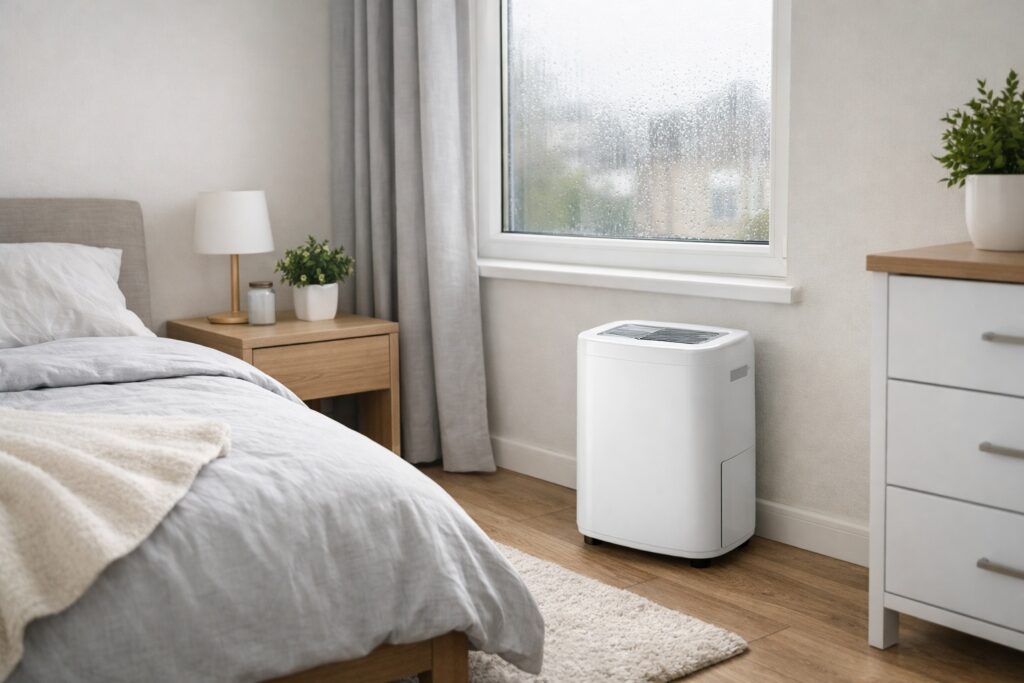
Why a 10L Dehumidifier Is Ideal for Small Rooms in the UK
A 10L dehumidifier is often the perfect choice for small rooms in UK homes, including bedrooms, box rooms, home offices and compact flats. Unlike larger 20 litre models, a 10 litre dehumidifier is designed to manage everyday moisture problems without being oversized, noisy or expensive to run.
If you are not sure whether you need a full 10L model or whether a smaller mini unit would be enough, our mini vs 10L dehumidifier guide explains the difference between light moisture control and proper daily room dehumidification.
In most UK properties, a 10L unit is suitable for rooms between 10–20m², making it ideal for tackling condensation on windows, damp air and mild mould issues. For many households, this capacity offers the right balance between performance and efficiency. If you are mainly dealing with overnight condensation in a bedroom or humidity caused by drying laundry indoors, a 10L dehumidifier for small rooms is usually more than enough.
Another key advantage is running cost. A typical 10 litre dehumidifier consumes significantly less electricity than a 20L compressor model, which makes it a smarter long-term solution for daily use. Many modern units are also designed to operate quietly, making them suitable for bedrooms where noise levels matter.
However, a 10L model may not be powerful enough for large open-plan living areas or properties with severe damp problems. In those cases, a higher extraction rate might be necessary. But for standard UK bedrooms and smaller living spaces, a well-rated 10L dehumidifier provides efficient moisture control without unnecessary energy usage.
Quick Comparison Table of the Best 10L Dehumidifiers in the UK
Before choosing the best 10L dehumidifier for a small room, it helps to compare the most important features side by side. While many models are marketed as “10 litre” units, real-world performance can vary depending on extraction rate, tank capacity, noise level and energy efficiency.
Below is a quick comparison of some of the most popular 10 litre dehumidifiers in the UK, focusing on suitability for bedrooms and compact living spaces.
| Model | Extraction Rate | Tank Capacity | Noise Level | Best For |
|---|---|---|---|---|
| Devola 12L | 12L/day | 2L | Low–Moderate | Bedrooms & small flats |
| Netta 12L | 12L/day | 1.8–2L | Moderate | Budget option |
| PureMate 10–12L | 10–12L/day | 2L | Quiet | Night-time use |
| Pro Breeze 10L | 10L/day | 2L | Moderate | Compact spaces |
Although technically rated between 10–12 litres per day, these models are commonly considered within the 10L dehumidifier category for small rooms. The slight variation in extraction capacity can make a difference depending on how damp the room is and how often the unit runs.
In the next section, we look at each model in more detail to help you decide which 10 litre dehumidifier offers the best balance of performance, noise level and running cost for your home.
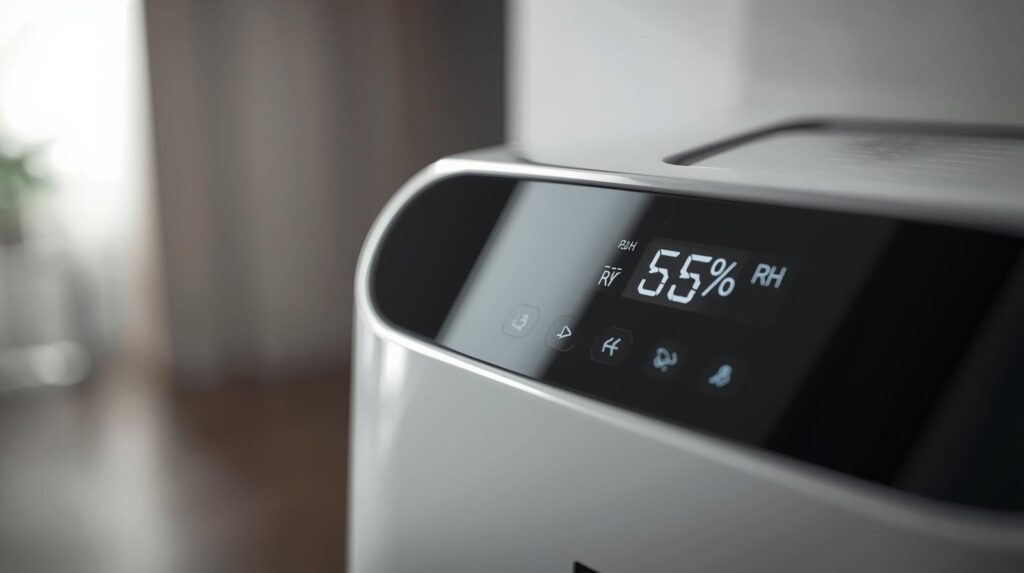
Best 10L Dehumidifiers for Small Rooms – Detailed Reviews
Now that you’ve seen the key specifications side by side, let’s take a closer look at how each 10L dehumidifier performs in real UK home conditions. While extraction rate is important, factors such as noise level, energy efficiency and build quality can make a significant difference in everyday use.
Below are some of the best-rated 10 litre dehumidifiers for small rooms, suitable for bedrooms, compact flats and smaller living areas.
Devola 12L Dehumidifier – Best Overall for Small Bedrooms
The Devola 12L is one of the most balanced options within the 10L dehumidifier category for small rooms. Although rated at 12 litres per day, it performs very similarly to a standard 10 litre dehumidifier, making it ideal for bedrooms, box rooms and compact flats in the UK.
One of its strongest points is efficiency. The unit is designed to extract moisture effectively without excessive energy consumption, which makes it suitable for regular daily use. For households dealing with overnight condensation on windows or mild damp issues, the Devola offers a reliable solution without stepping up to a larger and more expensive 20L model.
Noise levels are generally acceptable for bedroom use, especially when operating in lower fan modes. Combined with a compact design and straightforward digital controls, it remains one of the safest choices for anyone looking for a dependable 10L dehumidifier for a small room.
If you want a full breakdown of performance, features and real-world suitability, you can read our detailed Devola 12L review for a more in-depth analysis.
Netta 12L Dehumidifier – Budget-Friendly Option for Small Rooms
The Netta 12L is often considered one of the more affordable choices within the 10L dehumidifier segment in the UK. While technically rated at 12 litres per day, it operates in the same performance bracket as most 10 litre dehumidifiers for small rooms, making it suitable for bedrooms, home offices and compact flats.
This model is particularly attractive for buyers looking for a balance between price and everyday functionality. It typically includes adjustable humidity settings, continuous drain options and a straightforward control panel, which makes it easy to use even for first-time buyers. For light to moderate condensation issues, a 10L dehumidifier like the Netta 12L can provide consistent moisture control without the higher upfront cost of premium brands.
Noise levels are moderate rather than ultra-quiet, so it may be more suitable for daytime operation or use in living areas rather than directly beside a bed. However, for budget-conscious households wanting a practical 10 litre dehumidifier for a small room, the Netta remains a competitive option.
PureMate 10–12L Dehumidifier – Quiet Choice for Bedrooms
If low noise is a priority, the PureMate 10–12L model is often considered one of the better options in the 10L dehumidifier category for small rooms. Designed for compact UK homes, it offers sufficient moisture extraction while aiming to keep operational noise at a more comfortable level for bedrooms.
Although marketed between 10 and 12 litres per day, its real-world performance aligns closely with other 10 litre dehumidifiers intended for spaces up to 20m². This makes it a suitable choice for managing condensation in bedrooms, home offices and smaller living areas where constant background noise would be disruptive.
Many buyers appreciate the balance between size, portability and usability. A 10L dehumidifier for small rooms should not feel bulky or industrial, and the PureMate maintains a relatively compact footprint. For overnight use or shared living spaces, its quieter operation can make a noticeable difference compared to louder compressor models.
For households primarily dealing with light dampness rather than severe moisture problems, this type of 10 litre dehumidifier provides effective daily humidity control without stepping up to a larger and more power-hungry unit.
Pro Breeze 10L Dehumidifier – Compact and Practical for Small Flats
The Pro Breeze 10L is a popular choice for those specifically searching for a 10 litre dehumidifier for a small room. With its compact design and straightforward controls, it is well suited to UK flats, spare bedrooms and home offices where space is limited.
As a true 10L dehumidifier, it is typically rated to extract up to 10 litres of moisture per day under standard test conditions. In real UK environments, this is usually sufficient for tackling everyday condensation, especially during colder months when windows tend to collect moisture overnight.
One of the main advantages of this model is its manageable size. A 10L dehumidifier for small rooms should be easy to position without dominating the space, and the Pro Breeze remains relatively discreet compared to larger 20L units. It is particularly suitable for light to moderate damp issues rather than severe moisture problems affecting larger open-plan areas.
For households looking for a simple, compact and reasonably energy-efficient 10 litre dehumidifier, this model offers a practical entry point without moving into higher-capacity territory.
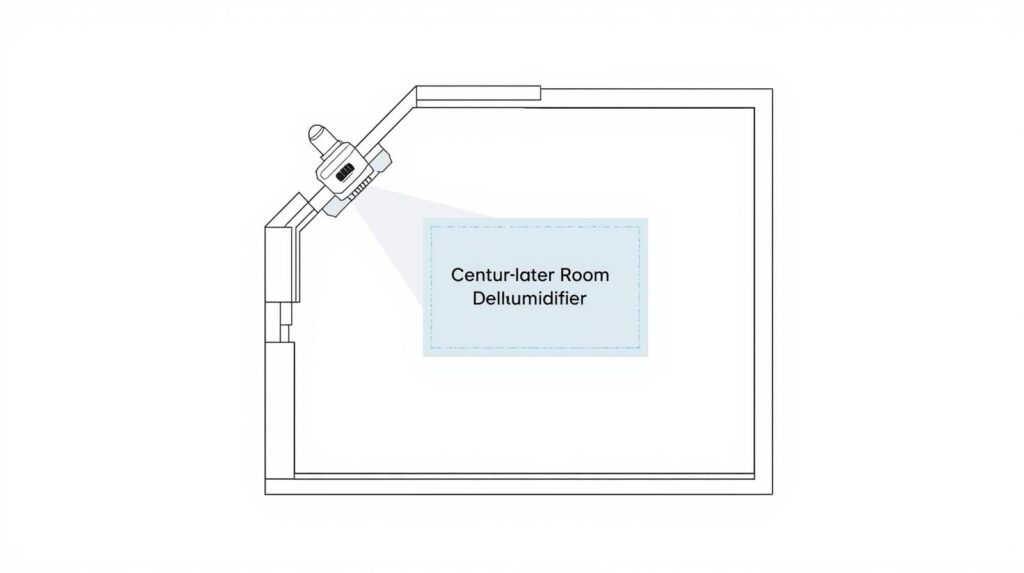
What Size Room Can a 10 Litre Dehumidifier Cover?
One of the most common questions buyers ask is: how much space can a 10L dehumidifier realistically cover? In most UK homes, a 10 litre dehumidifier is suitable for rooms between 10–20 square metres, depending on ceiling height and the level of dampness.
For small bedrooms, box rooms and compact flats, this capacity is usually sufficient to reduce condensation, manage humidity and prevent mild mould growth. If you mainly notice moisture on windows in the morning or a slight musty smell in enclosed spaces, a 10L dehumidifier for small rooms should provide effective daily control.
However, room size is not the only factor. If you are unsure how extraction rate, humidity levels and room size interact, our complete dehumidifier buying guide for UK homes explains how to match the right capacity to your specific situation.Air circulation, insulation quality and how often the door is opened can all affect performance. In poorly ventilated areas or rooms used for drying laundry, even a 10 litre dehumidifier may need to run for longer periods to maintain comfortable humidity levels.
If the space exceeds 20m² or suffers from more severe damp problems, stepping up to a higher extraction rate may be necessary. But for standard UK bedrooms and smaller living areas, a properly sized 10L dehumidifier offers a practical and energy-conscious solution.
If condensation on windows is one of your main concerns, read our guide to the best dehumidifier for condensation in the UK, where we explain which models work best in different rooms.
Running Costs of a 10L Dehumidifier in the UK
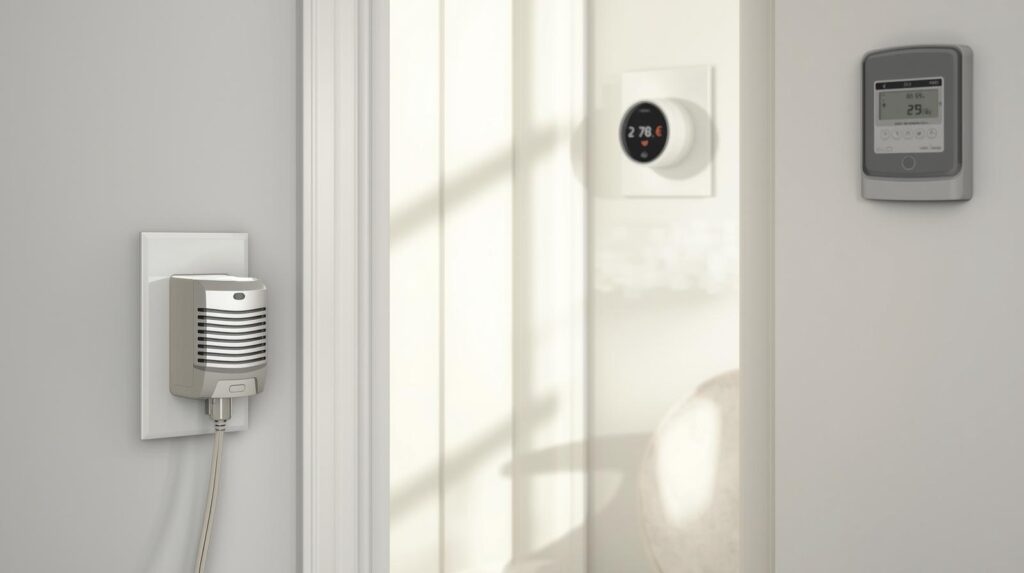
Running costs are an important factor when choosing a 10L dehumidifier for a small room, especially with UK electricity prices remaining higher than in previous years. One of the advantages of a 10 litre dehumidifier is that it typically consumes less power than larger 20L compressor models.
Most 10L units operate within a range of approximately 200–250 watts per hour, depending on humidity levels and fan settings. In practical terms, this means that running a 10L dehumidifier for several hours per day in a bedroom or small flat can be relatively affordable compared to central heating adjustments or constant ventilation.
The actual cost to run a 10 litre dehumidifier in the UK will vary depending on your electricity tariff and usage pattern. However, for standard daily operation in a small room, it is generally considered a low to moderate energy appliance. Many modern models also include auto shut-off and humidity control features, which prevent unnecessary energy consumption once the desired humidity level is reached.
For households specifically searching for a low energy solution to tackle condensation, a properly sized 10L dehumidifier for small rooms can offer an efficient balance between moisture extraction and electricity usage. If you want a broader breakdown of electricity usage across different capacities, read our guide on how much it costs to run a dehumidifier in the UK. For a more detailed breakdown of electricity usage and model efficiency, see our guide to low energy dehumidifiers in the UK, where we compare running costs and practical day-to-day performance.
If you are trying to find the best value option for smaller spaces, our guide to the best budget dehumidifier in the UK compares affordable models that balance performance and price.
10L vs 20L Dehumidifier – When Should You Upgrade?
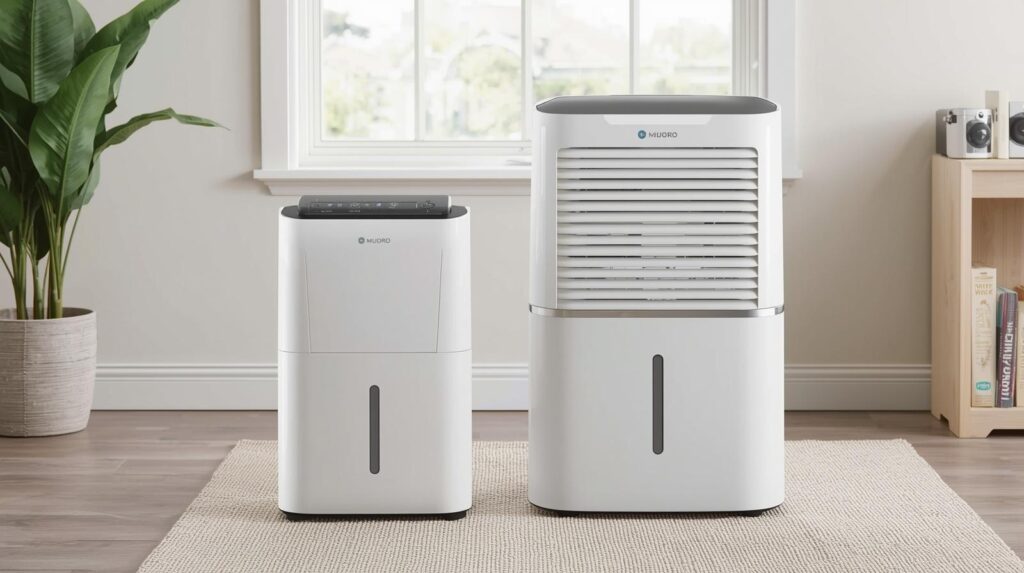
Choosing between a 10L dehumidifier and a 20L model depends mainly on room size and the severity of the damp problem. For most small bedrooms, box rooms and compact flats, a 10 litre dehumidifier for small rooms provides sufficient extraction without unnecessary energy consumption.
A 20L dehumidifier is generally designed for larger open-plan living areas, basements or properties with persistent moisture issues. While it offers a higher extraction rate, it also tends to be larger, heavier and more expensive to run. In many cases, using a 20L unit in a small 12–15m² bedroom can be excessive.
If you are primarily dealing with light to moderate condensation, especially during colder UK months, a properly sized 10L dehumidifier is usually the smarter and more energy-efficient choice. It provides targeted moisture control without overspending on capacity you may not actually need.
However, if damp patches are visible on walls, mould is recurring quickly or the room exceeds 20–25m², upgrading to a higher-capacity model may be justified. The key is matching the dehumidifier capacity to the room size, rather than automatically choosing the biggest available option.
Final Verdict – Which 10L Dehumidifier Is Right for You?
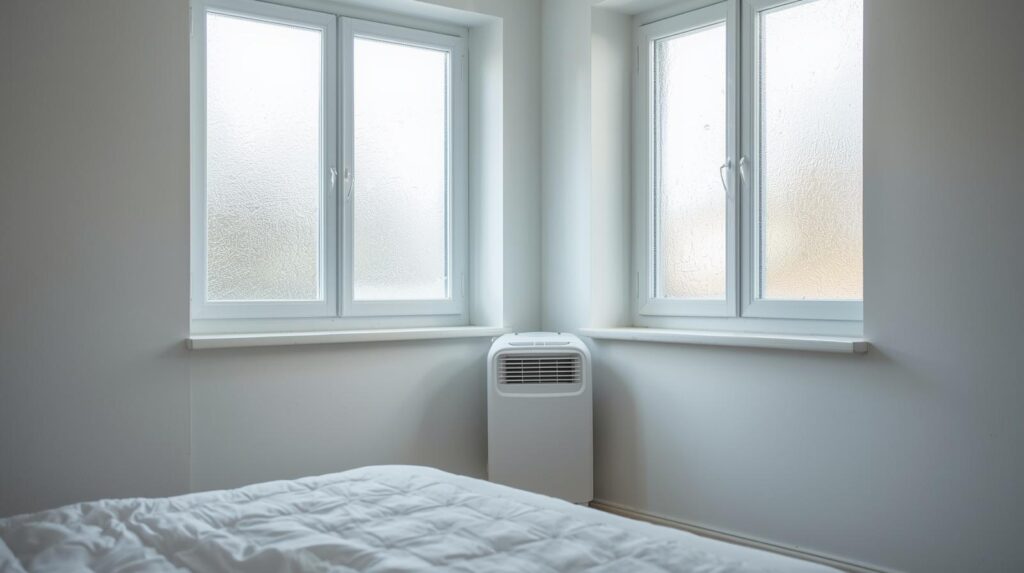
Choosing the best 10L dehumidifier for a small room ultimately depends on your specific needs, budget and the level of humidity you are dealing with. For most UK bedrooms and compact flats, a 10 litre dehumidifier offers the ideal balance between performance, running cost and noise level.
If you want a well-rounded option with strong reliability, the Devola 12L stands out as one of the safest choices in the 10L dehumidifier category. For tighter budgets, the Netta provides a practical entry-level solution, while quieter models such as PureMate may be better suited for overnight use in bedrooms.
The key is not to overcomplicate the decision. In most cases, a properly sized 10L dehumidifier for small rooms will effectively reduce condensation, improve air quality and help prevent mild mould issues without the higher energy consumption of larger units.
If you would like to compare more models and capacities, you can explore our full comparison of the best dehumidifiers in the UK to find the right solution for your home.
Frequently Asked Questions About 10L Dehumidifiers
Is a 10L dehumidifier enough for a bedroom?
In most UK homes, a 10L dehumidifier is more than sufficient for a standard bedroom measuring between 10–15m². A properly sized 10 litre dehumidifier for small rooms can effectively reduce overnight condensation on windows, control humidity levels and minimise the risk of mild mould growth.
Bedrooms typically generate moisture from breathing, limited ventilation and temperature differences between indoor air and cold window surfaces. A 10L unit is designed to manage this level of humidity without being oversized or excessively noisy. However, if the bedroom exceeds 20m² or suffers from severe damp issues, a higher-capacity model may be required.
How much does a 10 litre dehumidifier cost to run in the UK?
The cost to run a 10 litre dehumidifier in the UK depends on electricity tariffs and daily usage. Most 10L models consume between 200–250 watts per hour, which makes them relatively efficient compared to larger 20L units.
For small rooms where the dehumidifier runs a few hours per day, the overall electricity cost is generally considered low to moderate. Many modern 10L dehumidifiers also include automatic humidity sensors and shut-off functions, which help reduce unnecessary energy consumption once the target humidity level is reached.
What is the difference between a 10L and 12L dehumidifier?
The difference between a 10L and 12L dehumidifier is mainly the maximum extraction rate per day. In real-world conditions, both capacities often perform similarly in small bedrooms and compact flats.
A 12L model may remove slightly more moisture over a 24-hour period under standard testing conditions, but for most small UK rooms, the performance difference is minimal. Both fall within the same practical category of dehumidifiers suitable for small rooms, and the final decision often comes down to price, noise level and energy efficiency rather than capacity alone.
Do 10L dehumidifiers help prevent mould?
A 10L dehumidifier for small rooms can help reduce the risk of mould by lowering indoor humidity to safer levels. Mould typically develops when humidity remains consistently above 60%, especially in poorly ventilated spaces.
By maintaining balanced humidity, a 10 litre dehumidifier creates an environment less favourable for mould growth. While it may not eliminate existing structural damp problems, it can significantly reduce surface condensation and everyday moisture that contribute to mould formation.
If you are comparing electrical units with passive solutions, you may also want to read our guide on dehumidifiers vs moisture absorbers in UK homes to understand which option is more effective for long-term humidity control.
Can I use a 10L dehumidifier in winter?
Yes, a 10L dehumidifier is particularly useful during winter months in the UK, when condensation on windows becomes more noticeable due to colder outdoor temperatures. Running a 10 litre dehumidifier in a small room can significantly reduce excess moisture and improve overall comfort.
Winter is often when indoor humidity rises due to reduced ventilation and indoor laundry drying. A properly sized 10L unit can help maintain balanced humidity levels without increasing heating costs unnecessarily.