
Camping in the UK often means stepping away from traditional power sources, but that does not mean you have to give up convenience. A reliable portable power station can keep your essential devices running, whether you need to charge your phone, power lights, run a cooler or use small appliances while outdoors.
The challenge is choosing the right model. Portable power stations vary widely in battery capacity, output power and overall performance, and not every unit is suitable for camping conditions. Some are designed for light use, while others can handle more demanding setups such as longer trips, caravans or off-grid stays.
This guide explains how to choose the best portable power station for camping in the UK, what features matter most and which types of models offer the best balance between power, portability and reliability. It also helps you understand how different options compare depending on your camping style and energy needs.
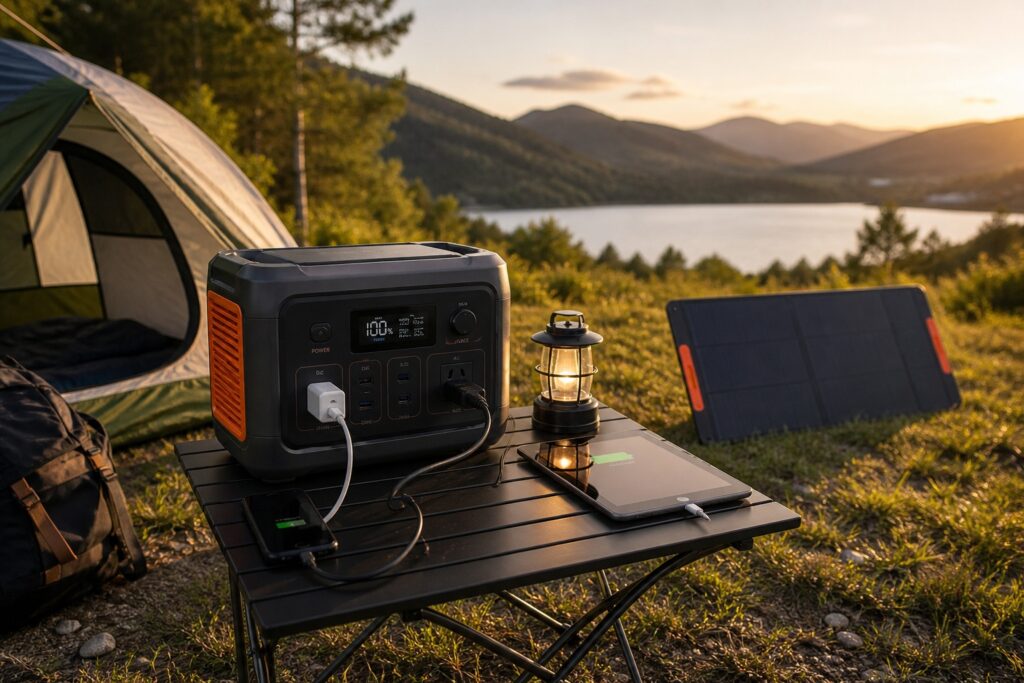
Why Use a Portable Power Station for Camping?
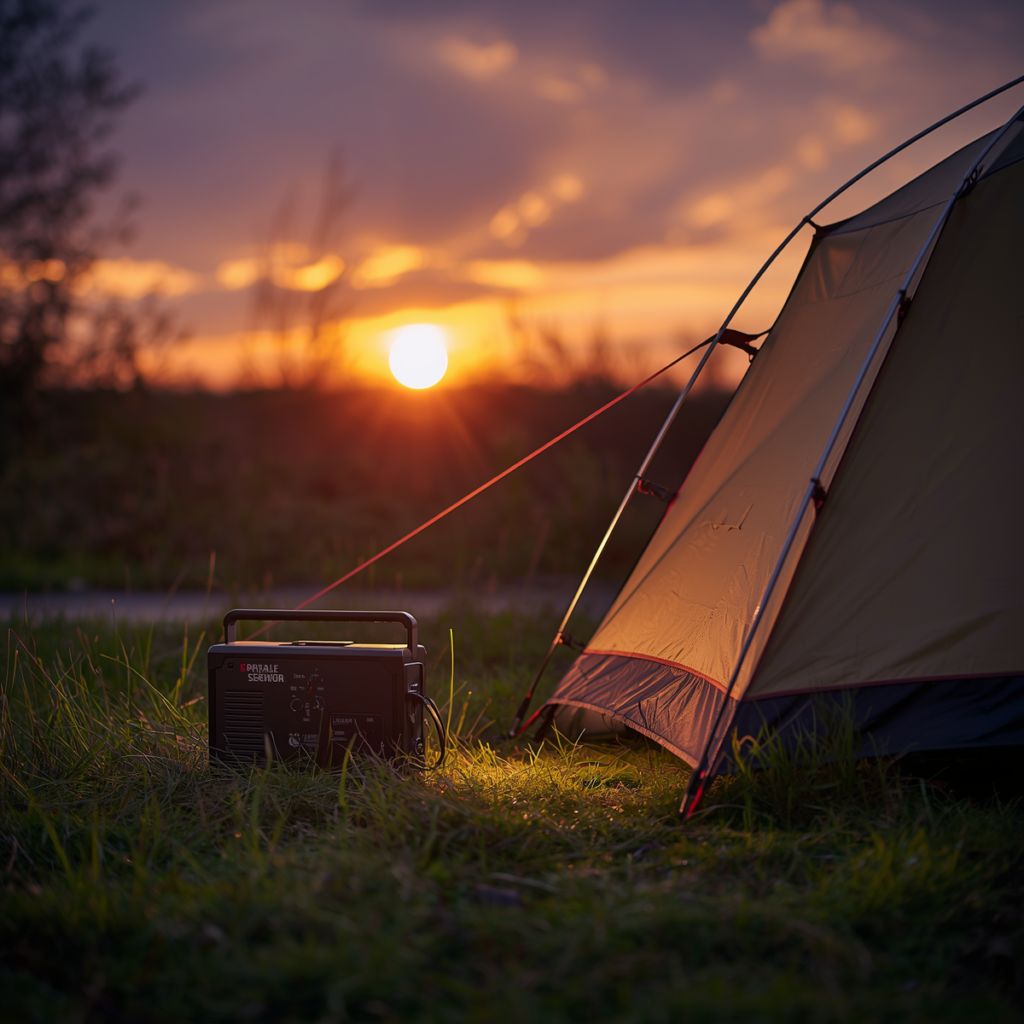
A portable power station provides a reliable and flexible source of electricity when you are camping, especially in locations where access to mains power is limited or unavailable. It allows you to keep essential devices running without relying on traditional generators or campsite hookups.
For most camping setups, a portable power station can handle everyday needs such as charging phones, powering LED lights, running small fans or keeping a portable cooler operating. This makes it a practical solution for both short trips and longer stays where consistent access to power improves comfort and convenience.
Compared to fuel-based generators, portable power stations are quieter, easier to use and more suitable for outdoor environments where noise and emissions can be an issue. They also require less maintenance and can be safely used near tents or enclosed spaces when handled correctly.
The key advantage is flexibility. Whether you are camping in a tent, travelling in a campervan or spending time off-grid, a well-chosen power station gives you control over your energy use without needing a fixed power source.
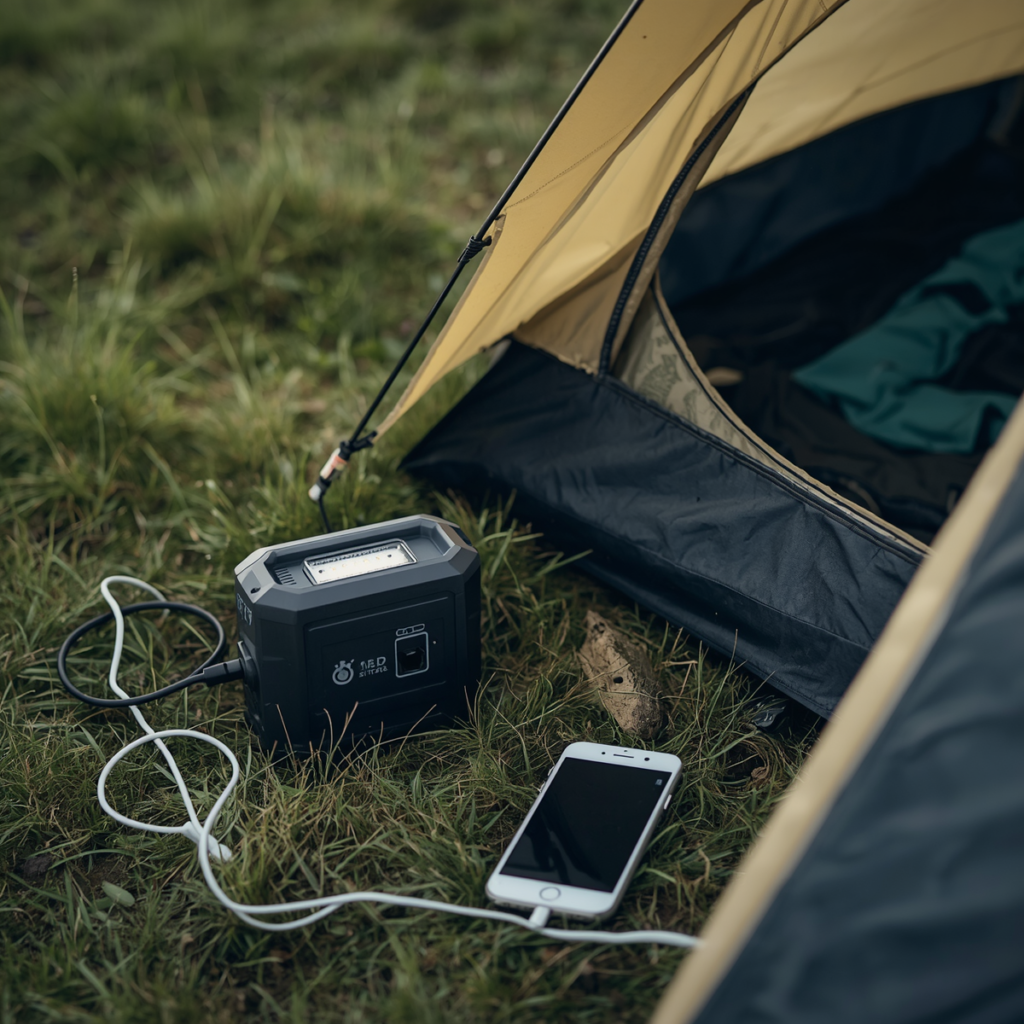
What Size Portable Power Station Do You Need for Camping?
Choosing the right size portable power station is one of the most important decisions when planning a camping setup. The capacity of the unit determines how long it can power your devices and what type of equipment it can handle during your trip.
For short camping trips or light use, smaller power stations are usually enough. These are ideal for charging phones, powering LED lights or running small electronics for a few hours at a time. They are lightweight, easy to carry and suitable for minimal setups where portability is a priority.
For longer trips or more demanding use, larger units with higher battery capacity are a better option. These can power multiple devices at once, including laptops, coolers or even small cooking equipment. If you are planning extended off-grid camping or travelling with a campervan, a higher-capacity model will provide more flexibility and reduce the need for frequent recharging.
If one of your main camping devices is a fridge, our guide to what size portable power station you need for a camping fridge explains how to estimate battery capacity, runtime and real-world camping use.
If you want to understand how higher-capacity models perform in real conditions, you can see a detailed example in this guide to the DJI Power 1000 V2, which shows what a more powerful setup can handle during outdoor use.
Balancing capacity and portability is key. A unit that is too small may not meet your needs, while a larger one can be heavier and less convenient to transport. Choosing the right size depends on how you camp, how long you stay and what devices you plan to use.
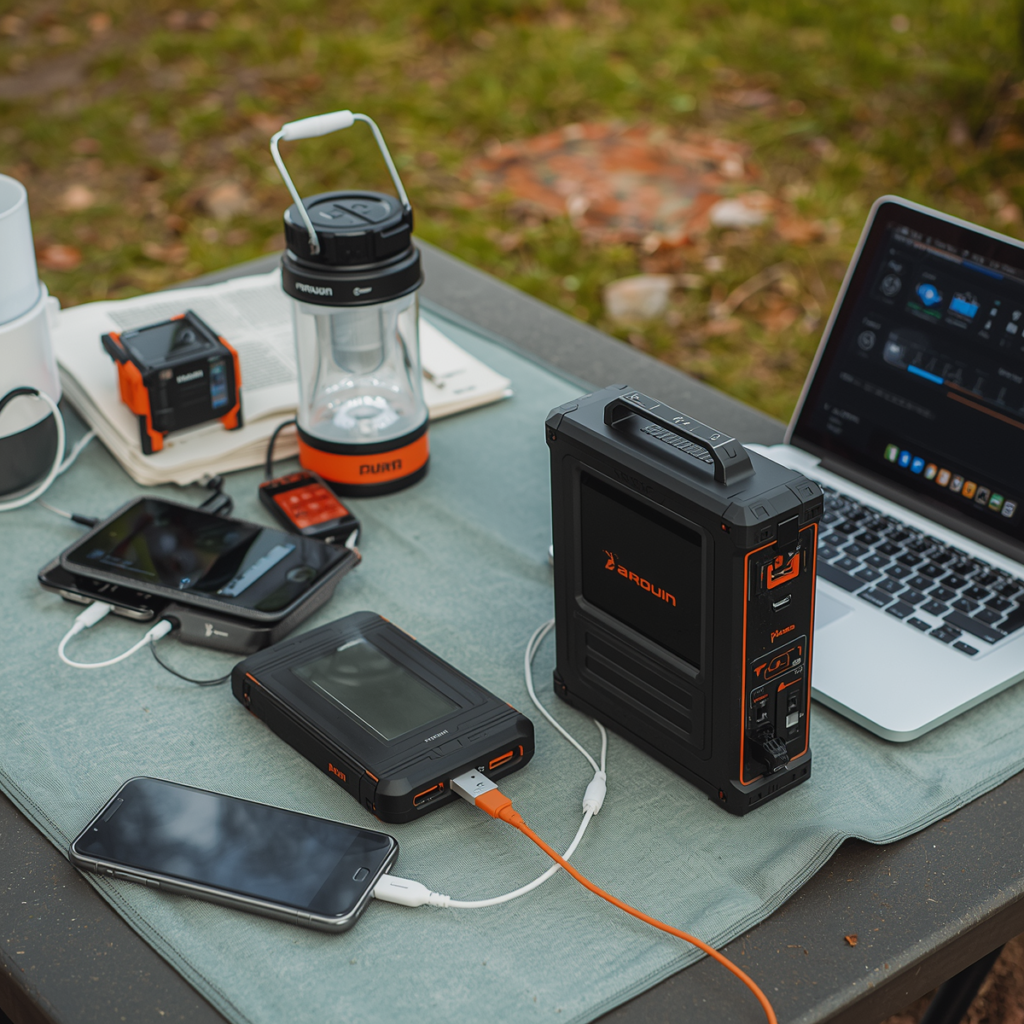
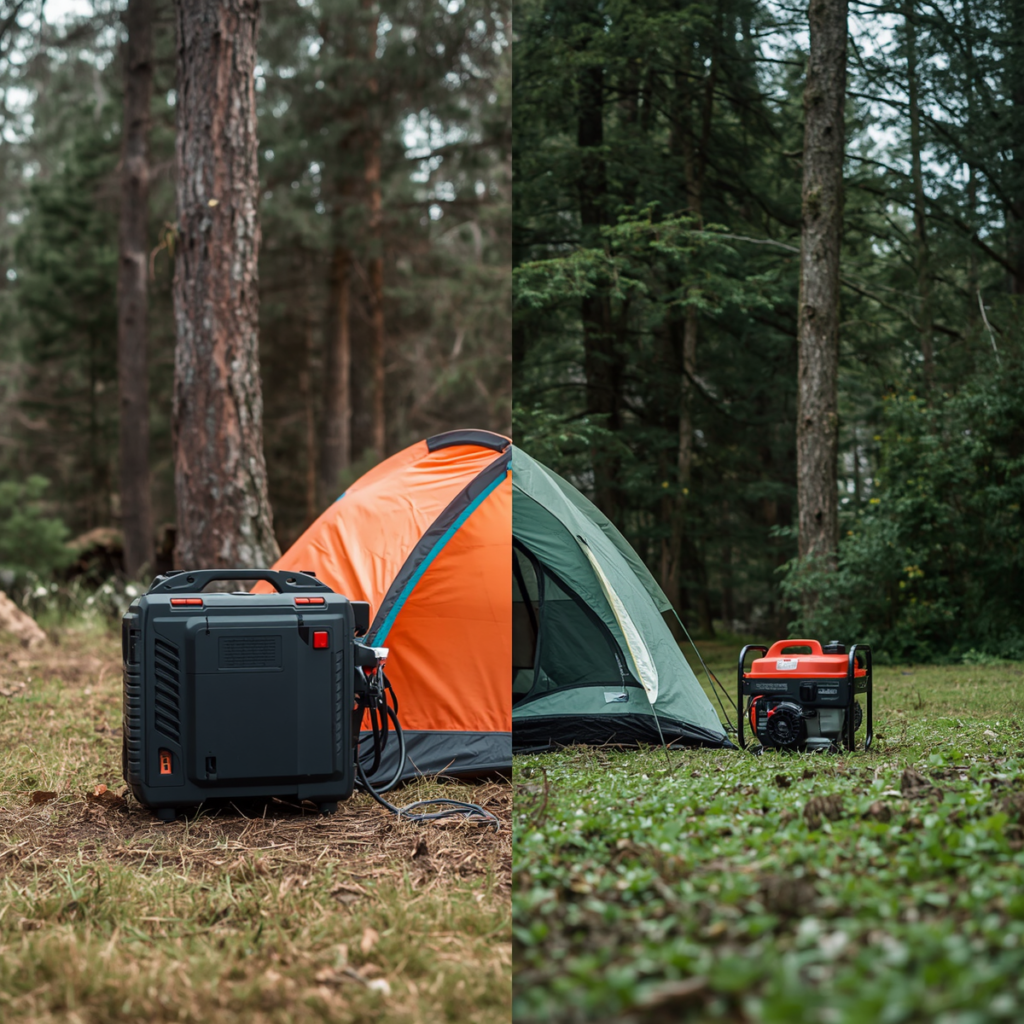
Portable Power Station vs Generator – Which Is Better for Camping?
When choosing a power source for camping, many people compare portable power stations with traditional generators. While both can provide electricity, they are designed for very different types of use.
Portable power stations are generally the better choice for most camping situations. They are quiet, easy to transport and do not produce fumes, which makes them suitable for use near tents or in outdoor living spaces. This makes them ideal for charging devices, running lights and powering small appliances without disturbing the surrounding environment.
Generators, on the other hand, are designed for higher power output and longer continuous use. They are better suited to construction sites or situations where large amounts of energy are required. However, they are typically noisy, require fuel and are less practical for standard camping trips.
For most campers, the convenience and simplicity of a portable power station outweigh the extra power offered by a generator. They provide enough energy for everyday needs while keeping the setup safe, quiet and easy to manage.
If you want a more detailed comparison of how these two options perform in real scenarios, our guide to portable power stations vs generators in the UK explains the key differences in more depth.
What Features Matter Most in a Portable Power Station?
When choosing a portable power station for camping, focusing on the right features is just as important as selecting the correct size. Small differences in specifications can have a significant impact on performance, usability and long-term value.
One of the most important factors is battery capacity, usually measured in watt-hours (Wh). This determines how long the power station can run your devices before needing to be recharged. Higher capacity units can support more demanding setups, while smaller models are better suited for basic needs such as charging phones and powering lights.
Another key feature is power output, which defines what devices you can safely run. Most camping setups require a unit that can handle multiple devices at once, including USB-powered electronics and small appliances. Checking the output limits ensures that the power station will meet your specific needs.
The type and number of output ports also matter. A good portable power station should include a mix of USB ports, AC outlets and possibly DC outputs, allowing you to charge different devices without needing additional adapters.
For camping use, portability and weight are equally important. A lighter unit is easier to carry and move around the campsite, while larger models may offer more power but can be less convenient to transport.
Finally, features such as fast charging, solar compatibility and built-in displays can improve the overall experience. These options allow you to recharge the unit more efficiently, monitor power usage and adapt your setup for longer or off-grid trips.
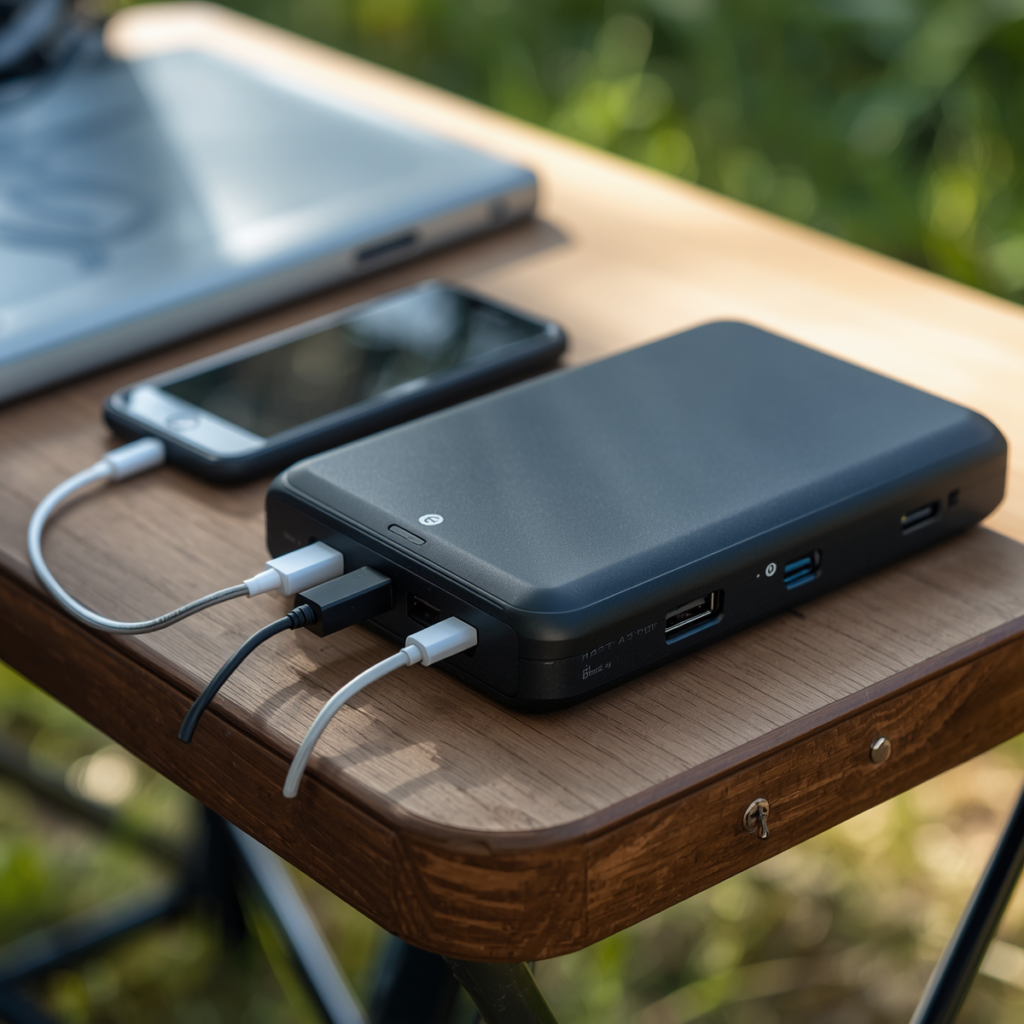
Best Portable Power Stations for Different Camping Needs
The best portable power station for camping depends on how you plan to use it. Different camping styles require different levels of power, and choosing the right setup ensures that you get the best performance without carrying unnecessary weight or cost.
Before comparing individual camping models, it can help to read our guide to what size portable power station you need in the UK, especially if you are unsure whether a small, medium or large unit suits your trip.
Best for Light Camping and Short Trips
For short camping trips or minimal setups, a compact portable power station is usually enough. These models are designed for basic tasks such as charging phones, powering lights and running small devices for a limited period of time. They are lightweight, easy to carry and ideal for campers who prioritise portability over high capacity.
Best for Campervans and Longer Stays
For campervans or longer stays, a higher-capacity portable power station is a better choice. These units can handle multiple devices at once, including laptops, coolers and small appliances. They provide more consistent power and reduce the need for frequent recharging, which is important when staying off-grid for extended periods.
Best for Off-Grid and Outdoor Power Use
For off-grid camping or more demanding setups, choosing a model with higher output and solar compatibility is essential. These power stations can support a wider range of devices and allow you to recharge using solar panels, making them suitable for remote locations where access to power is limited.
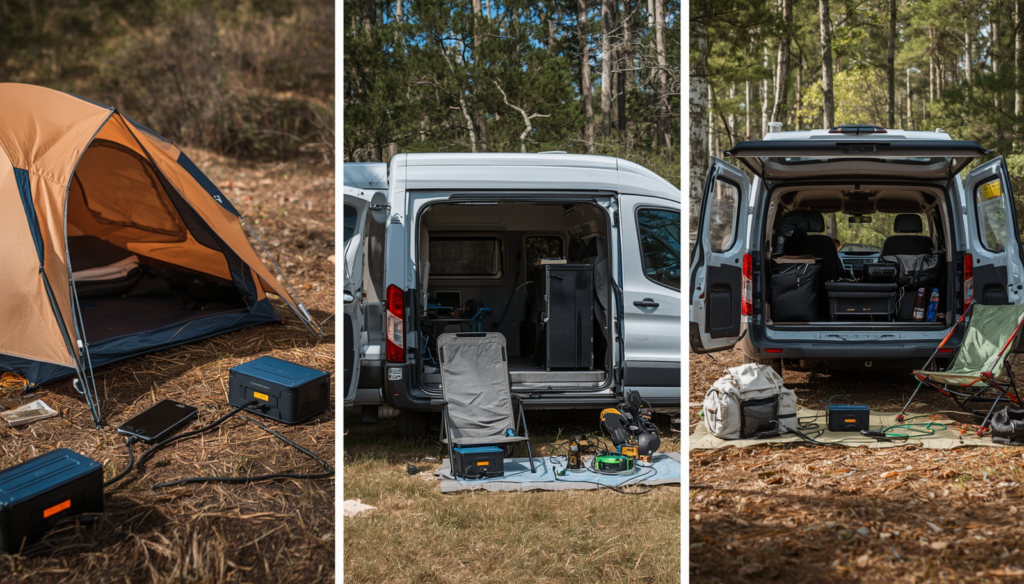
How Long Do Portable Power Stations Last While Camping?
The runtime of a portable power station depends on its battery capacity, the devices connected and how efficiently the energy is used during your camping trip. Understanding this helps you choose a model that can support your needs without running out of power too quickly.
For light use, such as charging phones or running LED lights, even a smaller power station can last for many hours or multiple days. These setups require relatively little energy, which makes them ideal for short trips and minimal camping gear.
For more demanding use, such as powering laptops, coolers or multiple devices at the same time, a higher-capacity unit will be needed. Larger power stations can handle these loads more effectively, but they also consume energy faster depending on the devices used.
Recharging is another important factor. Most portable power stations can be charged from mains electricity before your trip, but many also support car charging or solar panels, which can extend their usability during longer stays.
The key is to match your power usage to the capacity of the unit. By planning which devices you will use and how often, you can ensure that your portable power station provides reliable energy throughout your camping experience without unnecessary limitations.
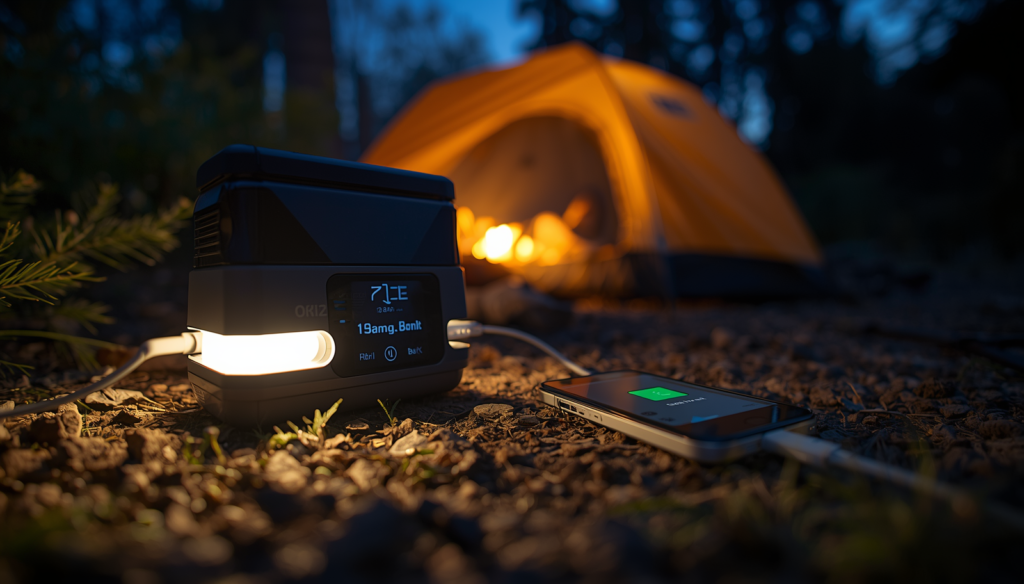
Tips for Using a Portable Power Station While Camping
Using a portable power station correctly can significantly improve its performance and extend battery life during your camping trip. Small adjustments in setup and usage can make a noticeable difference, especially when you rely on limited stored energy.
One of the most important steps is to plan your power usage in advance. Knowing which devices you need and how often you will use them helps prevent unnecessary energy consumption and ensures that the battery lasts for the entire trip.
It is also important to avoid overloading the unit. Every portable power station has a maximum output limit, and exceeding it can reduce efficiency or cause the system to shut down. Checking the specifications before connecting multiple devices helps avoid these issues.
Keeping cables organised and using only the necessary connections can also improve efficiency. Unused devices left plugged in may continue drawing power, even when they are not actively being used.
When possible, take advantage of solar charging or vehicle charging during the day. This helps maintain battery levels and reduces the risk of running out of power, especially during longer or off-grid stays.
Finally, store and use the power station in a dry, stable environment. Protecting it from moisture, dirt and extreme temperatures helps maintain performance and extends the lifespan of the unit over time.
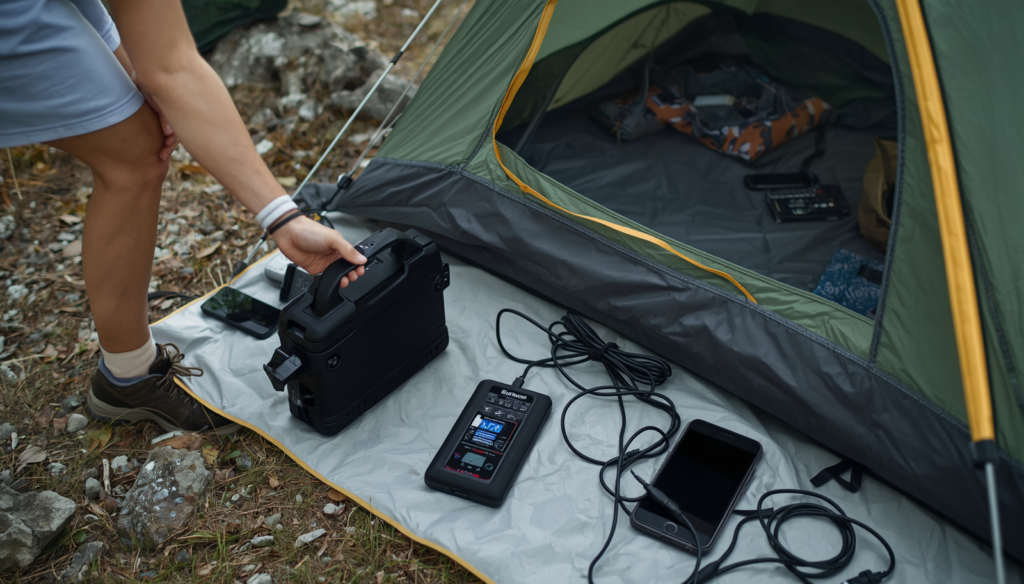
Final Verdict – Which Portable Power Station Is Best for Camping?
The best portable power station for camping in the UK is the one that matches your specific needs, rather than simply the most powerful or expensive option available. For most campers, a balance between capacity, portability and ease of use is more important than maximum output.
For short trips and light use, a compact power station can provide enough energy to keep essential devices running without adding unnecessary weight to your setup. For longer stays, campervans or more demanding use, a higher-capacity unit offers greater flexibility and reliability.
Understanding how you plan to use your power station is key to making the right decision. Choosing a model that fits your camping style will ensure that you have reliable access to power without overpaying for features you may not need.
If you want to explore more options and compare different models, take a look at our full range of portable power stations to find the best setup for your camping needs.
Frequently Asked Questions About Portable Power Stations for Camping
What size portable power station do I need for camping?
The size depends on how many devices you plan to use and how long you will be off-grid. For basic needs such as charging phones and running lights, a smaller unit is usually enough. For longer trips or powering multiple devices, a higher-capacity power station is recommended.
Can a portable power station run a camping fridge?
Yes, many portable power stations can run a camping fridge, but it depends on the power output and battery capacity of the unit. Larger models are better suited for this purpose, as they can provide consistent energy for longer periods.
How long will a portable power station last while camping?
This depends on the battery capacity and the devices being used. Light use may allow the unit to last for several days, while powering larger devices will reduce runtime. Planning your energy usage helps maximise battery life.
Are portable power stations better than generators for camping?
For most camping situations, portable power stations are a better choice. They are quieter, easier to use and do not produce fumes, making them safer and more convenient for outdoor use near tents and living areas.
Can I charge a portable power station while camping?
Yes, many models support charging from a car or solar panels. This allows you to extend battery life during longer trips and makes portable power stations suitable for off-grid camping.