Heating a single room rather than an entire home has become a common and practical approach for many UK households. Changes in how homes are used — from remote working to flexible daily routines — mean that people often occupy only one or two rooms for long periods, while the rest of the house remains unused.
In these situations, running central heating across the whole property can lead to unnecessary energy use. Heating empty rooms increases consumption without improving comfort, particularly in larger or older homes where heat distribution is uneven. This is why many households look for more targeted ways to stay warm without raising overall energy usage.
Focusing on one room allows heating to match real daily needs. Whether it is a home office, a living room in the evening or a bedroom at night, delivering warmth only where it is required helps reduce waste while maintaining comfort. This approach does not replace central heating but supports it by filling the gaps where whole-house systems are less efficient.
This guide explores how to heat one room efficiently in the UK, using practical electric heating solutions and everyday habits that improve comfort without unnecessary energy consumption.
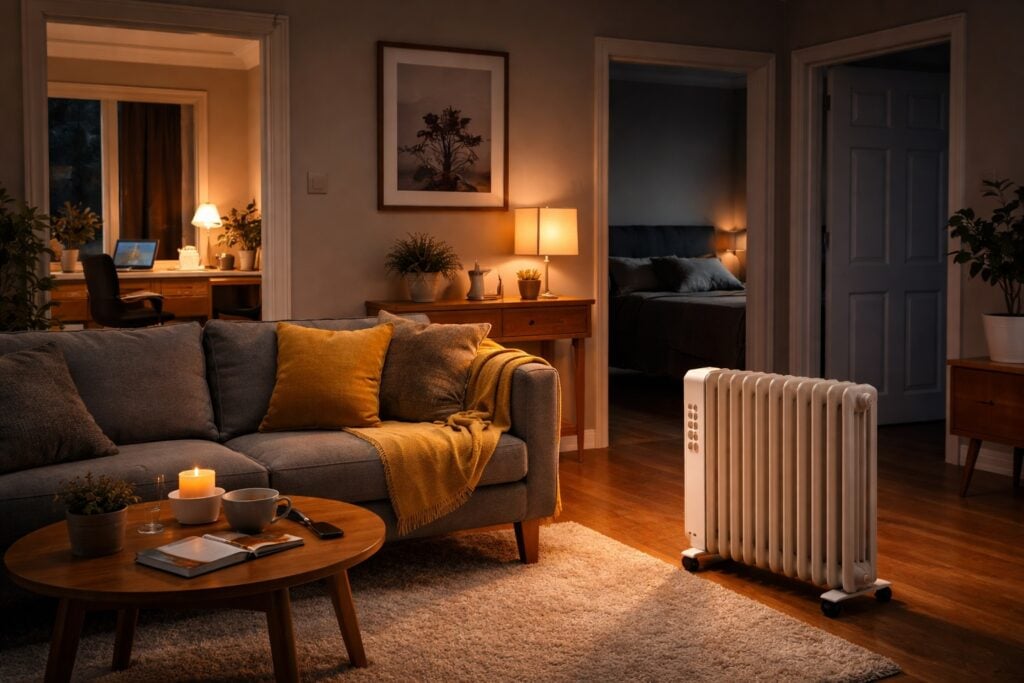
Common Reasons UK Households Heat Only One Room
Many UK households choose to heat only one room because their daily routines rarely require the entire home to be warm at the same time. This approach reflects how modern homes are actually used rather than how central heating systems are designed to operate.
One of the most common reasons is the rise of home working. When one room functions as a home office, heating the whole house throughout the day often leads to unnecessary energy use. Focusing warmth on a single space allows comfort to be maintained without heating unused rooms.
Spare bedrooms and guest rooms are another example. These spaces may remain unoccupied for long periods, making full-time heating inefficient. Instead, they are often heated only when needed, such as during short visits or overnight stays.
Living rooms are also frequently heated independently, especially in the evenings. Many households spend most of their time in one shared space after work, while bedrooms and other areas remain unused. In older UK properties, some rooms may also feel colder due to layout or insulation differences, encouraging targeted heating rather than whole-house solutions.
Why Central Heating Is Not Always the Best Solution
Central heating systems are designed to warm an entire property evenly, but this approach does not always align with how UK homes are used day to day. When only one or two rooms are occupied, heating the whole house can quickly become inefficient and lead to unnecessary energy consumption.
One of the main limitations of central heating is the lack of room-by-room precision. Even with thermostatic controls, many systems still distribute heat across multiple spaces, including rooms that are rarely used. This means energy is spent maintaining comfort where it is not needed, particularly during daytime hours or late evenings.
Another challenge is responsiveness. Central heating systems are often slower to react to short-term needs. Turning the system on to warm a single room for a limited period can result in extended heating cycles that outlast actual usage. In older UK homes, uneven insulation and layout can further reduce efficiency, as some rooms require more heat than others.
For these reasons, many households turn to targeted solutions to complement central heating. Heating one room independently allows warmth to be delivered exactly where it is needed, reducing waste while improving comfort in the spaces that matter most.
Key Factors That Affect Single-Room Heating Efficiency
Heating one room efficiently is not just about choosing an electric heater. The way a room is used, its physical characteristics and how heat is retained all influence how much energy is required to maintain comfort. Understanding these factors helps avoid overusing heating and wasting energy.
Room Size and Layout
Larger rooms generally require more time and energy to heat than smaller spaces. Ceiling height, open-plan layouts and the presence of large windows can also affect how quickly warmth is lost. Compact rooms with enclosed layouts tend to retain heat more effectively, making them easier to warm with targeted heating.
How Long the Room Is Used
The duration of room usage plays a key role in efficiency. Heating a room for several hours requires a different approach than warming it briefly. Solutions that provide steady heat are better suited to long sessions, while quick-response heating works best for short-term use.
Insulation and Heat Loss
Poor insulation allows heat to escape quickly, increasing the amount of energy required to maintain comfort. Drafts, thin walls or uninsulated windows can significantly reduce efficiency. Even simple measures to limit heat loss can improve how well a room stays warm.
Desired Comfort vs Quick Warmth
Some rooms require immediate warmth, while others prioritise stable temperatures over time. Matching heating behaviour to comfort expectations helps reduce unnecessary reheating and improves overall efficiency.
Types of Electric Heaters Used for One-Room Heating
When heating a single room, electric heaters are often chosen because they are easy to use, flexible and well suited to targeted heating. However, not all electric heaters behave in the same way, which is why understanding the main types helps avoid inefficient choices.
Oil-filled radiators are commonly used where steady warmth is needed over longer periods. They are designed to maintain temperature gradually, making them suitable for rooms that are occupied for several hours at a time. Their heat retention allows warmth to continue even when the heater is not actively drawing power.
Panel heaters are typically selected for their fast response. They heat the surrounding air quickly and are often used in spaces that require immediate warmth for short durations. Because they do not store heat, they stop producing warmth as soon as they are switched off, which can be useful for occasional heating.
Other electric heating options exist, but oil-filled radiators and panel heaters remain the most common choices for one-room heating in UK homes. Each type suits different usage patterns, which is why efficiency depends more on how the heater is used than on the heater itself.
Oil-Filled Radiators vs Panel Heaters: What Works Better?
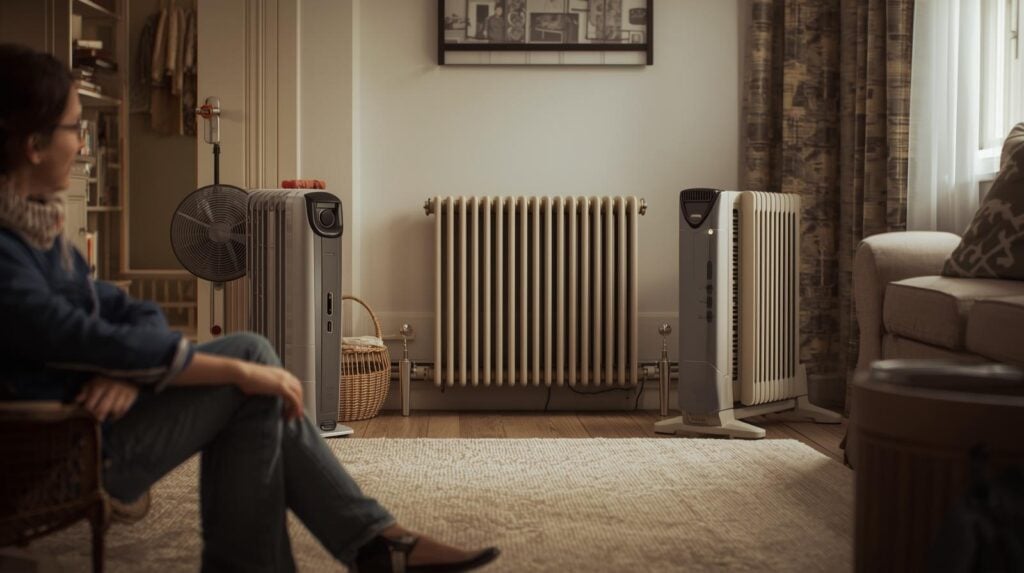
When heating a single room, the choice between an oil-filled radiator and a panel heater often comes down to how the room is used rather than which heater is “better” overall. Both options can be efficient when matched correctly to real-life scenarios, but they perform very differently in practice.
Oil-filled radiators are designed to provide steady, long-lasting warmth. They take longer to heat up, but once warm, they release heat gradually and help maintain a stable temperature. This makes them well suited to rooms that are occupied for extended periods, such as home offices, bedrooms or living spaces used throughout the evening.
Panel heaters, on the other hand, are built for speed. They begin warming the room almost immediately and stop producing heat as soon as they are switched off. This makes them a practical option for short-term or occasional heating, where quick comfort is needed without maintaining warmth for hours.
The key to efficient one-room heating is matching the heater type to the length of use and comfort expectations. A more detailed breakdown of how these two options compare in everyday UK homes is covered in our guide on oil-filled radiators vs panel heaters, which explores their differences in comfort, efficiency and typical use cases.
How to Use Electric Heaters More Efficiently
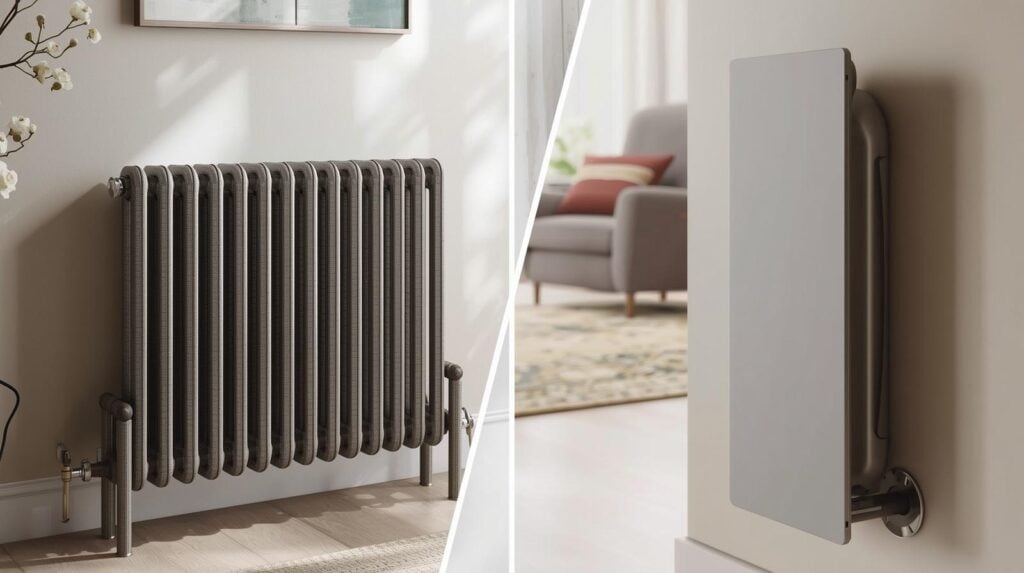
Even the right electric heater can become inefficient if it is used incorrectly. When heating a single room, small adjustments in how a heater is positioned and operated can significantly reduce unnecessary energy use while maintaining comfort.
Positioning the Heater Correctly
Where a heater is placed has a direct impact on how effectively it warms a room. Positioning the heater away from drafts, doors and poorly insulated windows helps prevent heat from escaping too quickly. Clear space around the heater also allows warm air to circulate properly, improving overall efficiency.
Avoiding Heat Loss
Reducing heat loss is just as important as producing heat. Closing doors, using curtains or blinds and minimising drafts helps retain warmth within the room. When heat stays where it is needed, the heater does not need to run as long or as often.
Using Timers and Schedules
Heating only when the room is in use is one of the simplest ways to improve efficiency. Timers and basic schedules help ensure heaters are not left running unnecessarily. This is especially useful in home offices or bedrooms, where heating needs follow predictable patterns.
Heating Only When Needed
Turning a heater on only when the room is occupied avoids wasting energy maintaining empty spaces. Rather than aiming for constant warmth, short and intentional heating periods often deliver better efficiency without compromising comfort.
Choosing the Right Solution for Your Home
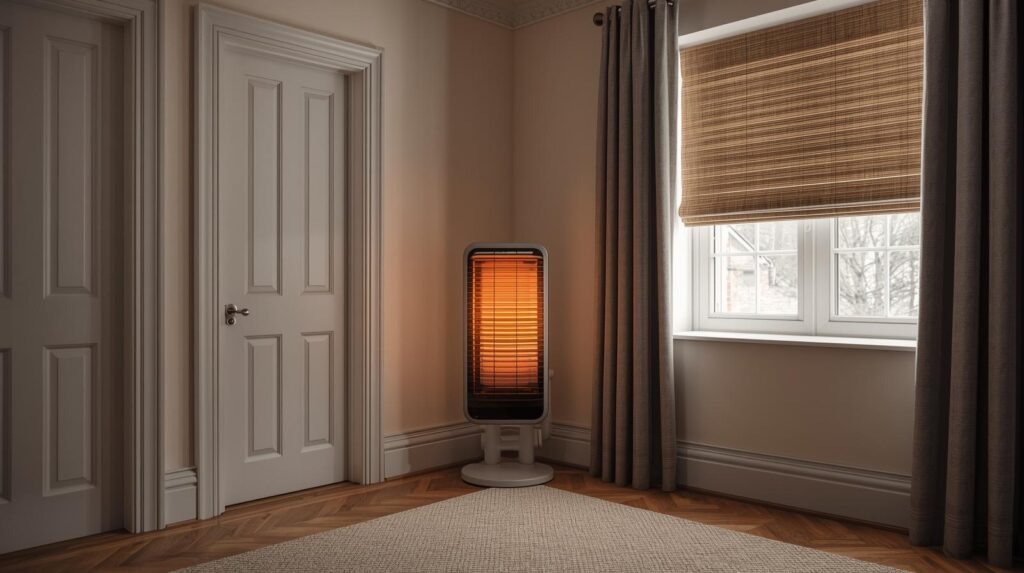
Choosing the most efficient way to heat one room is not about finding a single “best” heater, but about matching the solution to how the space is actually used. Room size, duration of use and comfort expectations all play a role in determining which approach delivers the best balance between warmth and energy efficiency.
Rooms that are occupied for longer periods generally benefit from heating solutions that maintain a stable temperature without frequent cycling. Spaces used occasionally or for short bursts of activity often require quick warmth rather than long-term heat retention. Understanding these patterns helps avoid overusing heaters or running them longer than necessary.
It is also important to consider how single-room heating fits into the wider household setup. Supplementary heating works best when it supports central heating rather than replacing it entirely. Used correctly, it allows warmth to be delivered where it is needed most, without increasing energy use across the whole home.
When viewed as part of a broader range of heating solutions, targeted electric heaters give households more control over comfort while keeping energy consumption under control.
Frequently Asked Questions About Heating One Room in the UK
Is it more efficient to heat one room instead of the whole house?
In many UK households, heating one room can be more efficient than running central heating across the entire property, especially when only one space is in use. Central heating is designed to warm multiple rooms at once, which can lead to energy being wasted on unoccupied areas. By focusing heating on a single room, warmth is delivered where it is actually needed, reducing unnecessary consumption. This approach works particularly well for home offices, living rooms used in the evening or bedrooms at night. The key to efficiency is matching heating time and intensity to real usage rather than maintaining constant warmth throughout the home.
Which type of electric heater works best for heating one room?
The best electric heater for one room depends on how long the space is used and the type of comfort required. Rooms occupied for several hours usually benefit from heaters that provide steady, consistent warmth. Spaces used briefly or occasionally often require quick heat rather than long-term temperature stability. Choosing a heater that matches usage patterns helps avoid energy being spent on heating that is not needed. Efficiency comes from using the right heater for the right situation, not from relying on a single solution for every room.
Can electric heaters support central heating effectively?
Yes, electric heaters can work very well as a supplement to central heating. They are particularly useful in rooms that are colder than the rest of the house or used at different times of day. Rather than replacing central heating, they help fill the gaps where whole-house systems are less efficient. Used correctly, supplementary heaters allow central heating to run less frequently while maintaining comfort in key spaces. This targeted approach can reduce overall energy use without compromising warmth where it matters most.
How long should an electric heater be used in one room?
The ideal usage time depends on the room and how it is occupied. For longer sessions, heating should aim to maintain a comfortable temperature rather than cycling frequently. For short visits, heating only when the room is occupied helps avoid waste. Leaving heaters running in empty rooms increases energy consumption without benefit. Being intentional about when heating is turned on and off is one of the simplest ways to improve efficiency when heating a single room.