
Supplementary heating has become an essential part of many UK households, especially as people spend more time working from home and using individual rooms throughout the day. While central heating remains the primary source of warmth, it does not always provide consistent comfort in every space, particularly in larger or older properties.
This has led many households to rely on portable electric heating solutions to maintain comfort without heating the entire home. Among the most common options are oil-filled radiators and panel heaters — two solutions that appear similar at first glance but behave very differently in everyday use.
Choosing the right type of heater is not just about how quickly a room warms up. Heat retention, energy use patterns, comfort levels and suitability for different rooms all play a role. Using the wrong heater for the wrong situation can lead to unnecessary energy use and inconsistent comfort.
This guide compares oil-filled radiators and panel heaters from a practical UK perspective, focusing on how they perform in real homes, how they are typically used and which situations each type is best suited for — without marketing claims or technical complexity.

Why Portable Electric Heating Is Still Popular in UK Homes
Portable electric heaters continue to play an important role in UK households because they address a common limitation of central heating — it does not always deliver warmth exactly where it is needed. Even in homes with efficient systems, certain rooms can remain cooler due to layout, insulation differences or limited use.
Supplementary Heating for Everyday Comfort
Many households use portable heaters to supplement central heating rather than replace it. Bedrooms, home offices and living spaces that are used intermittently often require extra warmth without raising the temperature across the entire property. Targeted heating allows households to stay comfortable while avoiding unnecessary energy use.
Limitations of Central Heating Systems
Central heating is designed to heat the whole home, which can be inefficient when only one or two rooms are in use. Heating unused spaces increases energy consumption without improving comfort. Portable electric heaters provide a focused alternative, allowing warmth to be delivered only where it is needed.
Flexibility and Room-by-Room Control
One of the main reasons portable heating remains popular is flexibility. Electric heaters can be moved between rooms, used for short periods and adjusted instantly. This makes them especially practical for spaces with variable occupancy, such as spare rooms or home offices, where heating demand changes throughout the day.

What Is an Oil-Filled Radiator and How Does It Heat a Room?
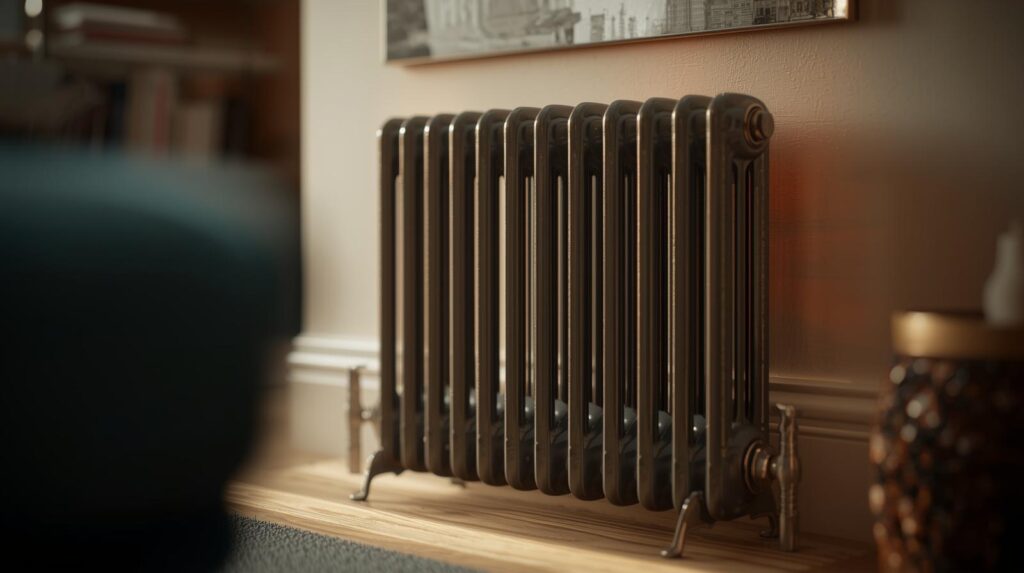
An oil-filled radiator is a type of portable electric heater designed to provide steady, consistent warmth over longer periods of use. Despite the name, the oil inside the unit is not burned or consumed. Instead, it is heated electrically and used as a medium to retain and distribute heat evenly.
Unlike heaters that rely on rapid air movement, oil-filled radiators warm a room gradually. As the internal oil heats up, the radiator’s surface temperature increases and releases heat into the surrounding space. Once warm, the unit continues to emit heat even after the heating element cycles off, which helps maintain a stable room temperature.
This heat retention makes oil-filled radiators particularly suited to rooms where people spend extended periods of time, such as bedrooms, living areas or home offices. The warmth tends to feel more consistent and less intense, reducing the need for frequent on-and-off cycles.
However, oil-filled radiators are not designed for quick heat. They take longer to warm up compared to other electric heaters, which means they are less effective for short-term or occasional use. Their strength lies in maintaining comfort, not delivering instant temperature changes.
What Is a Panel Heater and When Is It Used?
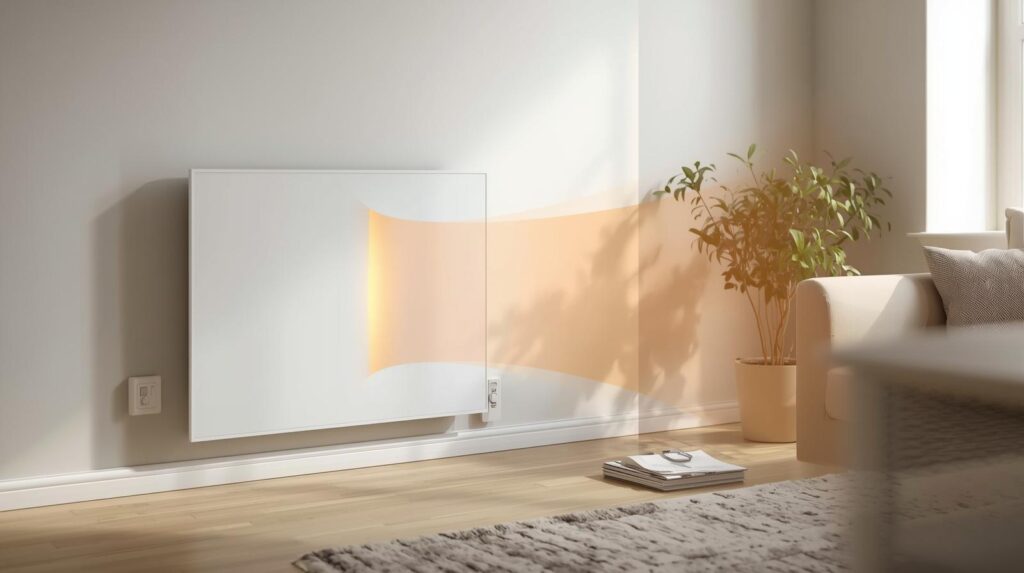
A panel heater is a type of electric heater designed to deliver fast, direct warmth, making it suitable for short-term or occasional heating needs. Unlike oil-filled radiators, panel heaters do not store heat. Instead, they begin releasing warmth almost immediately once switched on.
Panel heaters work by heating the surrounding air quickly, which allows rooms to warm up in a relatively short amount of time. This makes them particularly useful in spaces that are used intermittently, such as spare rooms, home offices used for limited hours or areas where quick comfort is needed without prolonged heating.
Because panel heaters do not retain heat after switching off, they tend to operate in shorter bursts. This characteristic can be an advantage when heating is only required briefly, as energy is not spent maintaining warmth once the heater is no longer needed. However, it also means temperatures can drop more quickly compared to oil-filled radiators.
Panel heaters are often chosen for their simplicity and responsiveness. They are easy to operate, lightweight and typically designed for straightforward use, making them a practical option where speed and convenience matter more than long-term heat retention.

Oil-Filled Radiators vs Panel Heaters: Key Differences
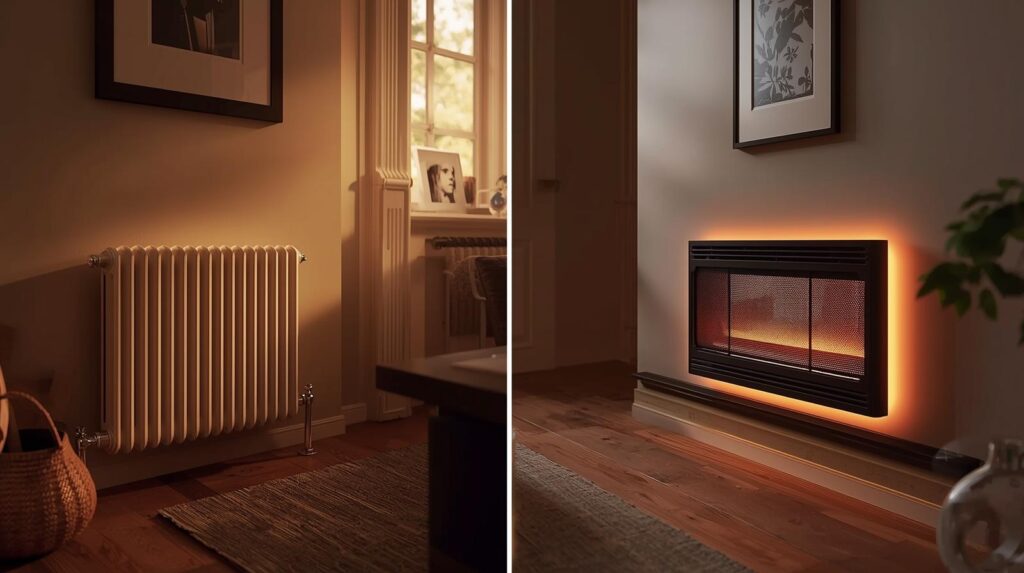
While oil-filled radiators and panel heaters are both used for supplementary electric heating, they behave very differently in everyday use. Understanding these differences helps avoid choosing a heater that looks suitable on paper but performs poorly in real conditions.
Heat Retention and Overall Comfort
Oil-filled radiators are designed to retain heat and release it gradually. Once warmed up, they continue to emit warmth even when the heating element is not actively running. This creates a more stable and comfortable temperature, particularly in rooms used for longer periods.
Panel heaters, by contrast, provide heat only while they are switched on. The warmth is immediate but disappears quickly once the unit stops operating. This makes them less suitable for maintaining consistent comfort over extended periods.
Speed of Heating vs Temperature Stability
Panel heaters excel at speed. They can raise room temperature quickly, which is useful when immediate warmth is needed. Oil-filled radiators heat more slowly, but they compensate with steady temperature control that avoids frequent fluctuations.
Choosing between speed and stability often depends on how long the room is occupied and how consistent the heating demand is.
For a broader look at electric radiator running costs, our guide to electric radiators and UK running costs explains when they can be practical for one-room heating and when they may become expensive.
Noise and Everyday Usability
Both heater types are generally quiet, but oil-filled radiators tend to operate more silently during extended use, as they rely less on rapid heating cycles. Panel heaters may cycle on and off more frequently, which can be noticeable in quiet environments.
In daily use, oil-filled radiators suit longer, quieter sessions, while panel heaters prioritise convenience and responsiveness.
Which Heating Option Is More Efficient for Everyday Use?
When it comes to everyday efficiency, the difference between oil-filled radiators and panel heaters is less about raw power and more about how and when heat is used. Efficiency in real homes depends on usage patterns, room occupancy and how long warmth is actually needed.
Short-Term Heating Needs
For brief heating sessions, panel heaters can be more practical. They provide warmth almost immediately, which makes them suitable for short visits to a room or quick temperature boosts. Because they stop producing heat as soon as they are switched off, energy is not spent maintaining warmth once the space is no longer in use.
Longer Periods of Room Use
Oil-filled radiators tend to perform better in rooms that are occupied for extended periods. Their ability to retain and release heat gradually helps maintain a stable temperature with fewer active heating cycles. This reduces the need for constant reheating and can limit unnecessary energy use over time.
Avoiding Unnecessary Energy Waste
Choosing the wrong heater for the situation often leads to waste. Using a panel heater for long sessions may require frequent reheating, while using an oil-filled radiator for very short periods can result in energy being spent warming the unit rather than the room. Matching the heater type to how a room is used is key to improving everyday efficiency without sacrificing comfort.
If you are also comparing oil-filled radiators with compact electric heaters rather than panel heaters, our separate guide to oil filled radiator vs electric heater running costs in the UK explains which option may suit shorter or longer heating sessions.
Real-World UK Scenarios: Homes, Home Offices and Cold Rooms
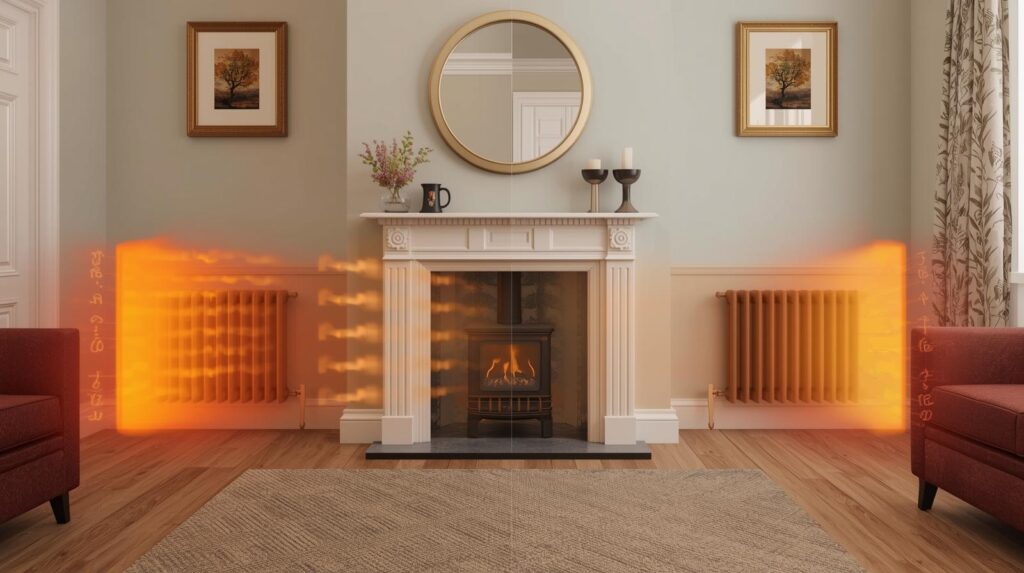
The effectiveness of a portable electric heater depends largely on where and how it is used. In UK homes, heating needs can vary significantly between rooms, which is why no single solution works best in every situation.
Home Offices and Study Spaces
Home offices often require steady warmth for several hours at a time, especially during colder months. In these environments, consistent temperature is usually more important than fast heat. A heater that maintains comfort without frequent cycling helps avoid distractions and unnecessary energy use during the working day.
Bedrooms and Living Areas
Bedrooms and living rooms are typically occupied for longer periods, particularly in the evenings. Maintaining a stable and comfortable temperature improves overall comfort and reduces the need for repeated adjustments. Heating solutions that release warmth gradually tend to perform better in these settings.
Cold Rooms, Garages and Occasional Spaces
Some rooms are used only briefly or irregularly, such as spare rooms, garages or utility spaces. In these cases, quick access to warmth is often more important than long-term heat retention. A heater that responds immediately can provide comfort without running longer than necessary.
Understanding how each room is used helps ensure that supplementary heating improves comfort without introducing unnecessary energy waste.

When Oil-Filled Radiators Make More Sense
Oil-filled radiators are best suited to situations where consistent, long-lasting warmth is more important than rapid temperature changes. Their design makes them particularly effective in rooms that are occupied for extended periods and where comfort needs to be maintained steadily.
Rooms Used for Longer Periods
In spaces such as bedrooms, living rooms or home offices, people often remain in the same room for several hours. Oil-filled radiators excel here because they continue to release heat gradually, even when the heating element is not actively running. This helps maintain a stable temperature without frequent adjustments.
Reducing Temperature Fluctuations
Frequent heating cycles can lead to noticeable temperature swings, which some people find uncomfortable. Oil-filled radiators minimise this by storing heat and releasing it evenly over time. This creates a calmer and more consistent indoor environment, particularly useful in quieter rooms.
Comfort-Focused Heating
For households prioritising comfort over speed, oil-filled radiators offer a gentler form of heating. While they take longer to warm up initially, their ability to maintain warmth with fewer active cycles makes them well suited to everyday use where heating demand is predictable.
In these scenarios, oil-filled radiators often provide a more comfortable and controlled heating experience without unnecessary energy use.

When Panel Heaters Are the Better Choice
Panel heaters are most effective in situations where speed and simplicity matter more than long-term heat retention. Their ability to provide almost instant warmth makes them a practical solution for rooms that are used occasionally or for short periods.
Quick Heating for Short-Term Use
When a room needs to be warmed quickly — for example, during a short work session or a brief visit — panel heaters can deliver immediate comfort. Because they heat the air directly, there is no waiting period for heat storage, making them well suited to on-demand use.
Occasionally Used Spaces
Spare rooms, guest bedrooms or areas that are not used every day often benefit from fast-response heating. In these spaces, maintaining a stable temperature throughout the day is unnecessary. Panel heaters allow warmth to be added only when required, helping avoid energy being used unnecessarily.
Simple and Responsive Heating Control
Panel heaters are typically straightforward to operate and adjust. Their responsiveness makes it easy to switch heating on and off as needed without planning ahead. For households that prefer quick solutions without prolonged heating cycles, panel heaters can offer a convenient and effective approach.
In scenarios where heating demand is irregular or short-lived, panel heaters often provide a better balance between comfort and energy use.
Choosing the Right Heating Solution for Your Home
Choosing between an oil-filled radiator and a panel heater is less about finding a universally better option and more about matching the heater to how a space is actually used. Both solutions can improve comfort and reduce unnecessary energy use when applied in the right context.
Rooms that are occupied for longer periods tend to benefit from steady, consistent warmth. In these situations, maintaining a stable temperature with fewer heating cycles helps improve comfort and avoid energy waste caused by frequent reheating. Spaces used only occasionally, on the other hand, often require warmth quickly rather than over extended periods.
Understanding daily routines, room usage and heating expectations allows households to make more informed decisions. Rather than relying on assumptions, selecting the right heater for each space ensures warmth is delivered efficiently without heating areas unnecessarily.
When viewed as part of a wider heating solutions approach, supplementary electric heaters can support central heating rather than compete with it. By choosing the right type of heater for each room, households can improve comfort while keeping energy use under control.
Frequently Asked Questions About Oil-Filled Radiators and Panel Heaters
Are oil-filled radiators energy efficient for UK homes?
Oil-filled radiators can be an energy-efficient option when used correctly, particularly in rooms that are occupied for longer periods. Their main advantage lies in heat retention. Once warmed up, they continue to release heat gradually, which helps maintain a stable temperature without frequent reheating cycles. This can reduce unnecessary energy use caused by repeated switching on and off. However, they are less efficient for short-term heating because energy is spent warming the unit itself before the room reaches a comfortable temperature. In UK homes where steady warmth is needed over several hours, oil-filled radiators often support more consistent and controlled energy use.
Do panel heaters use more electricity than oil-filled radiators?
Panel heaters do not necessarily use more electricity, but they use energy differently. They provide heat immediately and stop producing warmth as soon as they are switched off. This makes them suitable for short heating sessions, where energy is only used while the room is occupied. However, in longer sessions, panel heaters may cycle more frequently to maintain temperature, which can increase overall consumption. In contrast, oil-filled radiators use energy more gradually. The efficiency of either option depends less on the heater itself and more on how long and how often it is used.
Which heater is better for a home office?
The best heater for a home office depends on how long the space is used. For full working days or extended periods, oil-filled radiators are often more suitable because they provide steady warmth with minimal temperature fluctuation. This can improve comfort and reduce distractions caused by frequent heating cycles. For short work sessions or occasional use, panel heaters may be more practical due to their quick response. Choosing the right heater helps avoid overheating or unnecessary energy use while maintaining a comfortable working environment.
Are oil-filled radiators cheaper to run over long periods?
Oil-filled radiators can be more economical over longer periods of use because they retain heat and require fewer active heating cycles. Once the oil inside the radiator is warm, the heater does not need to draw power continuously to maintain room temperature. This can reduce overall energy consumption compared to heaters that must remain active to provide warmth. However, this advantage is most noticeable when the heater is used consistently for several hours. For brief or irregular use, this benefit may be limited.
Can panel heaters replace central heating in UK homes?
Panel heaters are not designed to replace central heating systems. They are best used as supplementary heating solutions for individual rooms rather than as a primary heat source for an entire property. Central heating is more effective for maintaining consistent temperatures across multiple rooms. Panel heaters work well for quick, targeted warmth but are not suitable for heating whole homes efficiently over extended periods. Using them as a supplement rather than a replacement helps avoid excessive energy use.
Which heater is better for short-term or occasional use?
For short-term or occasional heating needs, panel heaters are generally the better option. Their ability to deliver warmth almost instantly makes them ideal for brief room usage or quick temperature boosts. Because they stop producing heat immediately when switched off, energy is not wasted maintaining warmth after the room is no longer in use. Oil-filled radiators, by contrast, are less efficient in these scenarios because energy is spent heating the unit itself, which may not be fully utilised during short sessions.