Choosing a low energy dehumidifier in the UK has become increasingly important as electricity prices continue to rise. While dehumidifiers are highly effective at reducing condensation, damp air and excess humidity, running them daily can lead to noticeable energy costs if the wrong model is selected.
For most households, the goal is not just to remove moisture, but to find the cheapest dehumidifier to run without sacrificing performance. This is especially relevant in bedrooms, small flats and living spaces where a dehumidifier may operate for several hours every day.
In reality, not all dehumidifiers are equally efficient. Differences in compressor design, extraction capacity and smart humidity control can significantly impact the running cost of a dehumidifier in the UK. A well-chosen model can maintain comfortable humidity levels while keeping electricity usage under control, making it a far more practical long-term solution.
Why Energy Efficiency Matters When Choosing a Dehumidifier
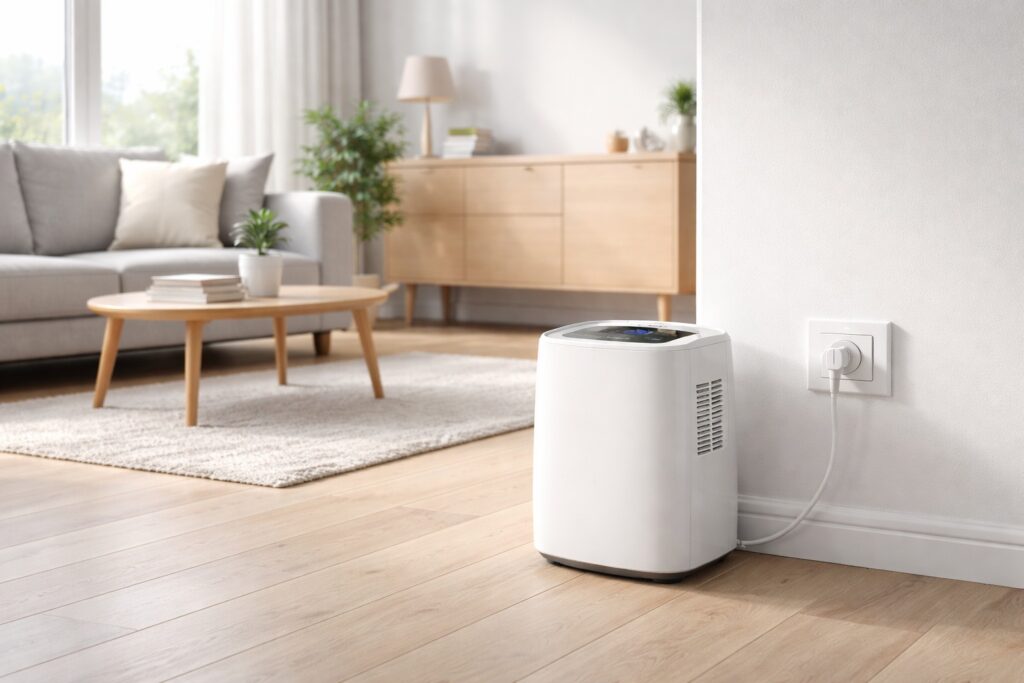
Energy efficiency plays a key role when selecting the right dehumidifier for everyday use in the UK, especially if the unit will be running for several hours each day. While most dehumidifiers are designed to remove moisture effectively, their electricity consumption can vary significantly, even between models with similar extraction capacity.
A low energy dehumidifier is not just about lower wattage. It is also about how efficiently the unit maintains humidity levels without running continuously at full power. Models equipped with intelligent humidity sensors, automatic shut-off and efficient compressor systems tend to use less energy over time while still delivering consistent performance.
For many households, the goal is to find an energy efficient dehumidifier that can run daily without noticeably increasing electricity bills. This is particularly important in bedrooms, small flats and living spaces where humidity needs to be controlled regularly rather than occasionally.
Choosing a poorly optimised model can lead to higher running costs, even if the upfront price is lower. In contrast, a well-designed low energy dehumidifier for UK homes can provide stable humidity control while keeping long-term electricity usage under control.
Average Running Cost of a Dehumidifier in the UK
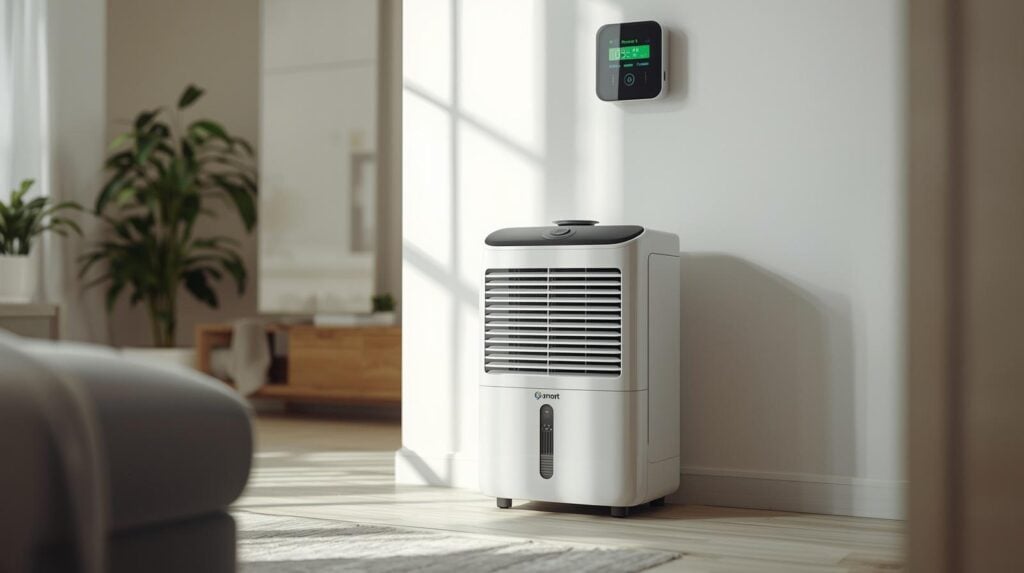
Understanding the running cost of a dehumidifier in the UK is essential before choosing the right model, especially if you plan to use it daily. While most low energy dehumidifiers are designed to be efficient, actual electricity usage depends on power consumption, usage time and humidity levels in your home.
A typical 10L dehumidifier uses around 200–250 watts per hour, while larger 20L models may consume significantly more. In practical terms, running a dehumidifier for a small room for several hours per day can add a modest but noticeable amount to your electricity bill over time.
For example, if a unit runs for 5–8 hours daily during colder months, the total monthly cost will depend on your electricity tariff and how efficiently the device regulates humidity. A well-designed energy efficient dehumidifier with automatic shut-off and humidity sensors will cycle on and off, reducing unnecessary energy use and lowering long-term costs.
This is why choosing the cheapest dehumidifier to run is not just about the lowest wattage, but also about smart operation and consistent performance. The next section looks at some of the most low energy dehumidifiers available in the UK, helping you identify which models offer the best balance between cost and efficiency.
Best Low Energy Dehumidifiers in the UK – Top Picks
Not all dehumidifiers are equally efficient when it comes to electricity usage. Some models are specifically designed to deliver strong moisture extraction while keeping energy consumption as low as possible, making them ideal for daily use in UK homes.
Below are some of the most popular low energy dehumidifiers in the UK, focusing on real-world efficiency, running cost and suitability for bedrooms, small flats and everyday humidity control.
Devola 12L Dehumidifier – Best Low Energy All-Rounder
The Devola 12L is widely considered one of the most reliable low energy dehumidifiers in the UK, offering a strong balance between moisture extraction and electricity efficiency. It is particularly well suited for bedrooms, small flats and everyday use where consistent humidity control is needed without excessive running costs.
This model is designed to operate efficiently over longer periods, using intelligent humidity control to avoid unnecessary energy consumption. Instead of running constantly at full power, it adjusts operation based on real humidity levels, which helps reduce overall electricity usage.
For households looking for an energy efficient dehumidifier that can run daily without significantly increasing energy bills, the Devola is a safe and practical choice. It also performs well in real UK conditions, especially during colder months when condensation becomes more noticeable.
If you want a deeper breakdown of features and performance, you can read our detailed Devola 12L dehumidifier review.
Netta 12L Dehumidifier – Affordable Low Energy Option
The Netta 12L is often chosen as a more affordable low energy dehumidifier for UK homes, especially for users who want a balance between price and everyday efficiency. While it may not have the same level of refinement as premium models, it still offers solid performance for managing condensation and humidity in smaller spaces.
In terms of energy usage, this model performs well within the typical range of 10–12 litre dehumidifiers, making it suitable for regular use in bedrooms, home offices and compact flats. For light to moderate moisture problems, it provides consistent results without excessive electricity consumption.
The Netta is a practical option for those looking for the cheapest dehumidifier to run within a limited budget. It delivers reliable moisture control while keeping running costs relatively low, which is particularly important for users planning to run the unit daily during colder months.
Pro Breeze 20L Dehumidifier – Higher Capacity with Efficient Operation
Although larger than typical 10L models, the Pro Breeze 20L can still be considered a relatively energy efficient dehumidifier when used in the right environment. It is designed for bigger rooms and more demanding moisture conditions, but thanks to its higher extraction rate, it can often reduce humidity faster and run for shorter periods.
This means that in some cases, a larger unit may actually be a more efficient solution overall, especially in rooms where humidity levels are consistently high. Instead of running a smaller low energy dehumidifier for long periods, a higher-capacity model can achieve the same result more quickly.
However, for small rooms and bedrooms, a 20L unit is often unnecessary and may lead to higher energy consumption than needed. It works best in larger living areas or homes with more serious damp issues, where performance takes priority over compact size.
How to Choose an Energy Efficient Dehumidifier for Your Home
Choosing the right energy efficient dehumidifier in the UK is not just about picking the lowest power rating. The most efficient models are those that match your room size, humidity level and usage pattern, allowing the unit to maintain balanced conditions without running continuously.
The first factor to consider is extraction capacity. A 10L dehumidifier for small rooms is usually sufficient for bedrooms, box rooms and compact flats, while larger spaces may require a higher-capacity unit. Using an oversized dehumidifier in a small room can lead to unnecessary energy consumption, while an undersized unit may need to run constantly, increasing running costs.
Humidity control features also play a crucial role. A good low energy dehumidifier should include automatic humidity sensors, allowing the device to switch off once the desired level is reached. This prevents wasted electricity and helps maintain a stable indoor environment without constant manual adjustment.
Energy efficiency is also influenced by how the unit is used. Running a dehumidifier with doors closed, placing it in the correct position and avoiding unnecessary operation time can all reduce overall electricity usage. Even the most efficient dehumidifier for small rooms will use more energy if it is not used correctly.
If you are unsure which capacity or model is right for your situation, our complete dehumidifier buying guide for UK homes explains how to match performance, room size and energy efficiency for the best long-term results.
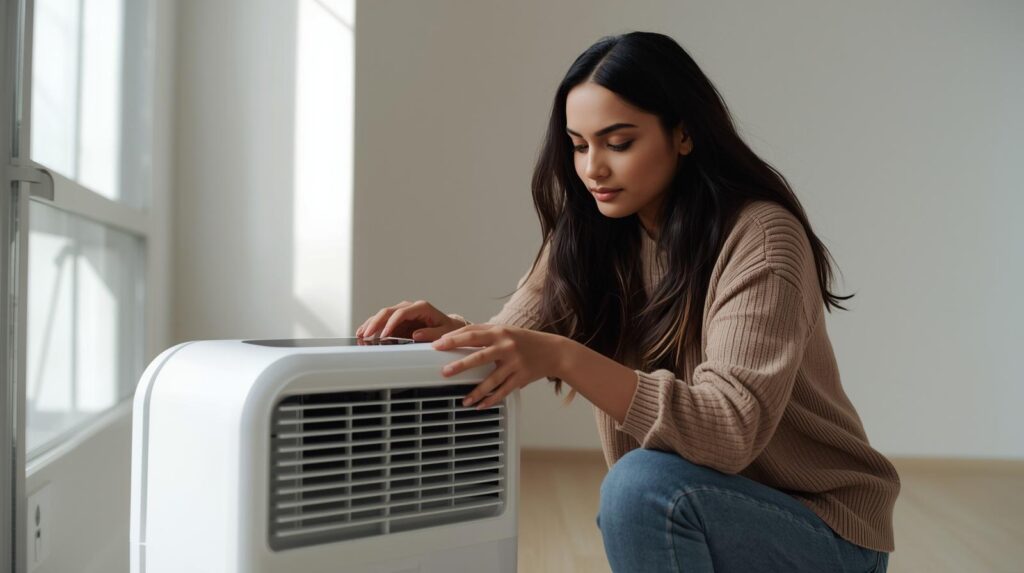
Real Monthly Cost of Running a Dehumidifier in the UK
To better understand the real running cost of a dehumidifier in the UK, it helps to look at practical monthly examples rather than just wattage figures. While exact costs vary depending on electricity tariffs and usage, typical scenarios can give a realistic estimate.
A standard 10L dehumidifier using around 200–250 watts, running for approximately 6 hours per day, may cost only a few pounds per month under average UK conditions. This makes it a relatively affordable solution for managing condensation and humidity in small rooms and bedrooms.
Larger units, such as 20L models, consume more power but may run for shorter periods due to their higher extraction capacity. In some cases, this can balance out total energy usage, but in smaller rooms it often leads to unnecessary electricity consumption compared to a properly sized low energy dehumidifier.
The key takeaway is that the cheapest dehumidifier to run is not always the smallest or the least powerful. Instead, it is the model that matches your room size and humidity level, allowing it to operate efficiently without running longer than necessary.
For most UK households dealing with everyday condensation and moderate humidity, a well-matched energy efficient dehumidifier can provide consistent results at a manageable monthly cost.
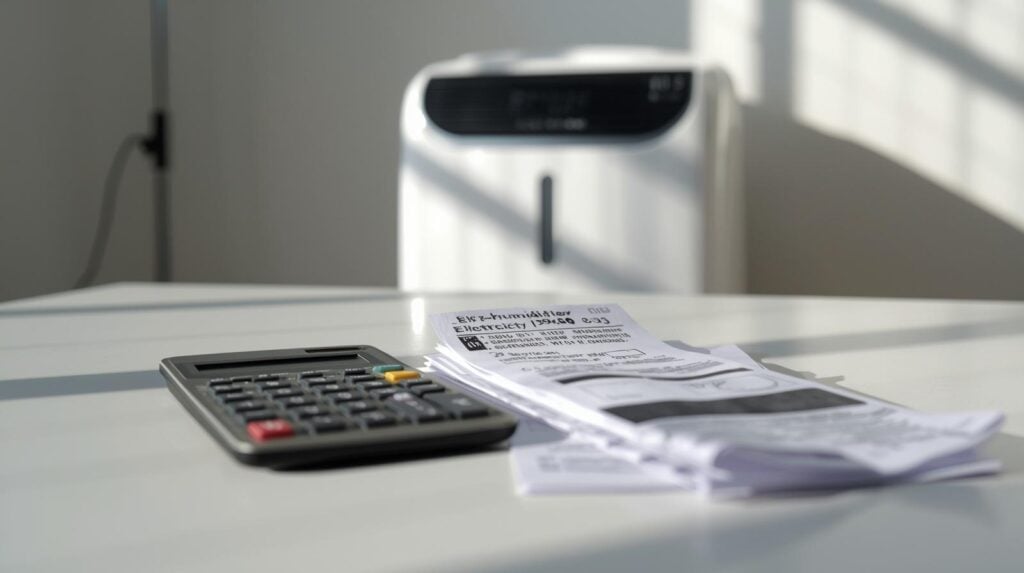
Final Verdict – Which Low Energy Dehumidifier Is Right for You?
Choosing the right low energy dehumidifier in the UK ultimately comes down to understanding your space, your humidity levels and how often you plan to use the unit. While many models claim to be energy efficient, the real difference comes from how well the dehumidifier matches your specific environment.
For small rooms, bedrooms and compact flats, a 10L or 12L dehumidifier is usually the most practical and cost-effective solution. These models are designed to run efficiently for longer periods without excessive energy consumption, making them ideal for everyday use in typical UK homes. They provide enough power to manage condensation and humidity without the unnecessary cost of running a larger unit.
If your main concern is keeping electricity usage low, it is important to focus on models with smart humidity control rather than just looking at wattage. A well-designed energy efficient dehumidifier will switch off automatically when the desired humidity level is reached, preventing wasted energy and reducing overall running time.
Larger models, such as 20L dehumidifiers, can be effective in bigger spaces or more severe damp conditions, but they are not always the best option for small rooms. In many cases, they consume more energy than necessary simply because they are operating in a space that does not require that level of performance.
For most households, the best approach is to choose a low energy dehumidifier for the right room size, rather than the most powerful unit available. This ensures that the dehumidifier can operate efficiently, maintain stable humidity levels and keep long-term electricity costs under control.
If you want to explore more models across different capacities and performance levels, you can browse our full comparison of the best dehumidifiers in the UK to find the option that best suits your home.
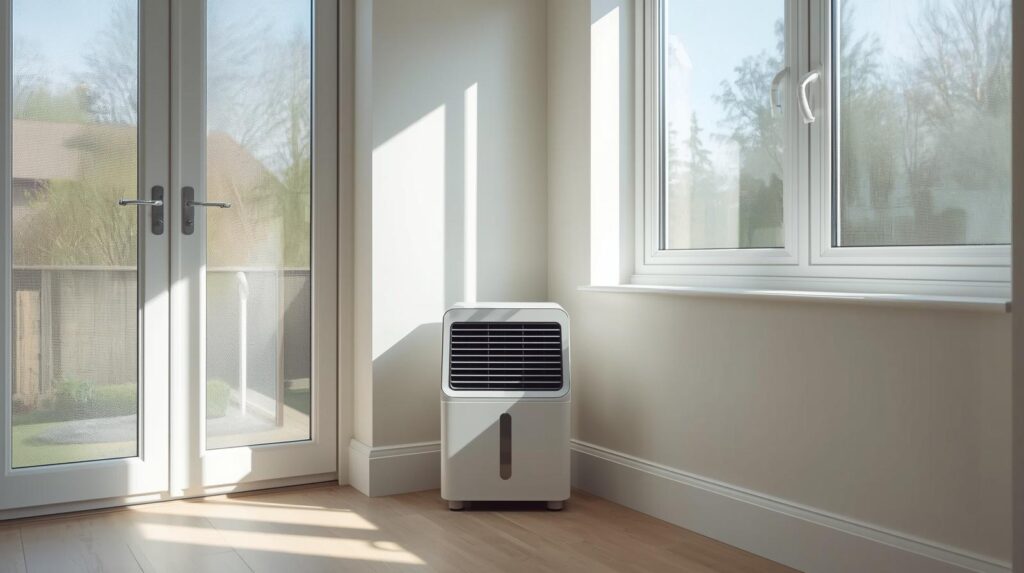
Common Mistakes That Increase Dehumidifier Running Costs
Even the most energy efficient dehumidifier can become expensive to run if it is not used correctly. Many households unknowingly increase their electricity usage by making simple mistakes that reduce the efficiency of the unit.
One of the most common issues is incorrect placement. A dehumidifier for small rooms should be positioned where air can circulate freely, rather than being placed too close to walls or furniture. Poor airflow forces the unit to work harder and run longer, increasing overall energy consumption.
Another mistake is leaving the dehumidifier running continuously without using humidity controls. A properly configured low energy dehumidifier should cycle on and off automatically. Running it non-stop, especially in already dry conditions, leads to unnecessary electricity usage.
Room conditions also matter. Leaving doors and windows open while the unit is operating allows moisture to re-enter the space, making it harder to maintain stable humidity levels. This results in longer running times and higher energy costs.
Finally, choosing the wrong capacity can significantly impact efficiency. A unit that is too small will run constantly without achieving the desired results, while a unit that is too large may consume more power than needed. Matching the dehumidifier capacity to your room size is one of the most important factors in keeping running costs low.
By avoiding these common mistakes, a well-chosen low energy dehumidifier in the UK can operate efficiently, reduce humidity effectively and keep long-term energy costs under control.
Frequently Asked Questions About Low Energy Dehumidifiers
What is the cheapest dehumidifier to run in the UK?
The cheapest dehumidifier to run in the UK is not always the smallest or lowest-powered model. In most cases, the most cost-effective option is a low energy dehumidifier that matches your room size and uses smart humidity control to avoid running continuously.
For small rooms and bedrooms, a 10L or 12L dehumidifier is usually the most efficient choice. These models provide enough moisture extraction without excessive electricity consumption, making them ideal for daily use without significantly increasing energy bills.
How much electricity does a dehumidifier use per day?
The electricity usage of a dehumidifier in the UK depends on its size and how long it runs. A typical 10L dehumidifier uses around 200–250 watts per hour. If used for several hours per day, this results in relatively low to moderate energy consumption.
More importantly, a well-designed energy efficient dehumidifier will not run constantly. It will switch on and off based on humidity levels, which significantly reduces daily electricity usage over time.
Are low energy dehumidifiers actually effective?
Yes, modern low energy dehumidifiers are highly effective when used in the right environment. Efficiency does not mean reduced performance — it means the unit removes moisture while optimising electricity usage.
For small rooms, bedrooms and flats, a properly sized energy efficient dehumidifier can reduce condensation, improve air quality and maintain comfortable humidity levels without excessive running costs.
Is it better to run a dehumidifier all day or only when needed?
It is generally better to run a dehumidifier only when needed, rather than leaving it on continuously. Most modern units include humidity sensors that allow them to operate automatically and maintain a stable level.
Using a low energy dehumidifier with automatic control ensures that the device runs only when humidity rises above the desired level, helping reduce unnecessary electricity consumption and extending the lifespan of the unit.
Do dehumidifiers increase electricity bills significantly?
A dehumidifier will increase electricity usage, but the impact is usually moderate when using the correct model. A well-chosen low energy dehumidifier for UK homes can run daily without causing a major increase in monthly bills.
The key is choosing the right capacity and using the unit efficiently. In most cases, the cost is outweighed by the benefits of improved comfort, reduced condensation and protection against damp-related problems.